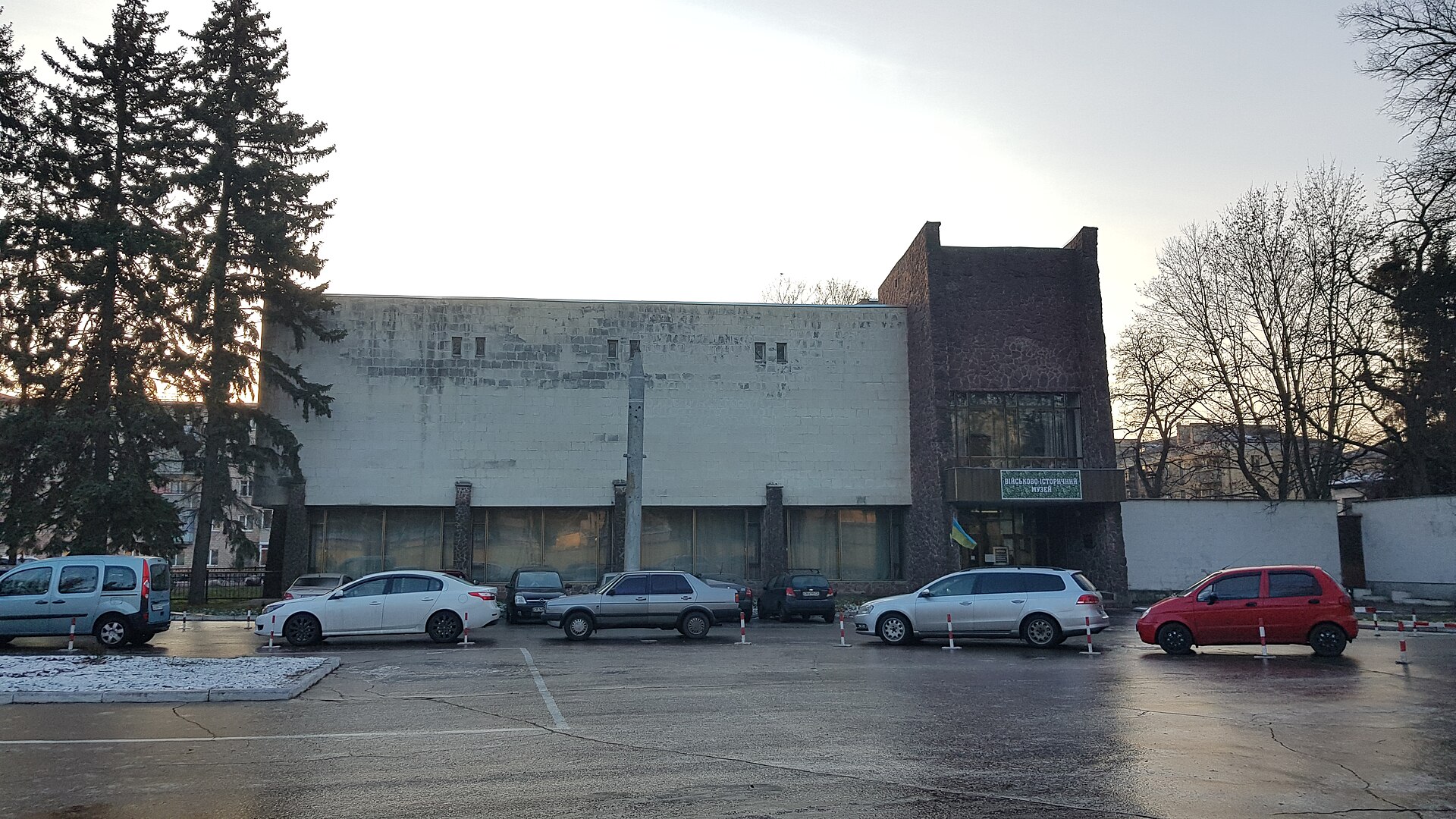
Chernihiv Historical Museum named after Vasyl Tarnovsky is one of those rare places where the past doesn’t just sit behind glass—it lingers in the air, in the details of the building itself, in the stories each exhibit seems to whisper. Housed in a former noble assembly hall from the mid-19th century, the museum occupies a graceful structure that blends classical architecture with the quiet elegance of old-world craftsmanship. High ceilings, tall windows, and the soft northern light filtering through them create an atmosphere that feels both grand and intimate, as if the building itself is still holding court, just as it did when Chernihiv’s aristocracy gathered here for balls and discussions.
The museum bears the name of Vasyl Tarnovsky, a Ukrainian patron of the arts, collector, and public figure whose life was deeply intertwined with Chernihiv. His private collection, amassed in the late 1800s, became the foundation of the museum’s holdings. Tarnovsky wasn’t merely an accumulator of antiques; he was a preserver of memory, particularly of the culture and traditions of Right-Bank Ukraine, which was rapidly changing under the influence of the Russian Empire. His collection included rare manuscripts, icons, weapons, household items, and works of art—many of which remain on display today, offering a tangible connection to the region’s layered history.
The museum’s exhibits span an impressive timeline, from the earliest settlements on the lands around Chernihiv to the tumultuous events of the 20th century. One of the most compelling sections is dedicated to the Kyivan Rus era, when Chernihiv was one of the wealthiest and most influential cities in medieval Eastern Europe. Here, visitors can see fragments of frescoes salvaged from long-destroyed churches, everyday objects used by the city’s residents, and weapons and jewelry unearthed during archaeological excavations. Among the most striking pieces are silver hryvnias—ancient currency used in Chernihiv—and intricate examples of jewelry crafted using granulation and filigree techniques, showcasing the skill of medieval artisans.
A separate hall focuses on the Cossack period, when the Chernihiv region was part of the Hetmanate. The exhibits here paint a vivid picture of Cossack life, with displays of weapons, documents, and portraits of prominent figures from the era. The collection of Cossack banners is particularly noteworthy, with some preserved in near-original condition. The hall also features reconstructions of Cossack dwellings, offering a glimpse into the daily lives and traditions of the Zaporozhian Cossacks, whose legacy is deeply embedded in this part of Ukraine.
The museum also explores Chernihiv’s history during the 19th and early 20th centuries, a time of rapid growth and cultural flourishing. The city saw the establishment of educational institutions, the construction of new buildings, and the rise of a local intelligentsia that played a significant role in Ukraine’s cultural revival. Exhibits from this period include photographs of old streets, household items, documents, and personal belongings of notable Chernihiv residents. A standout feature is the collection of vintage postcards and photographs, which provide a fascinating visual record of how the city evolved over time.
The ethnographic section of the museum offers a deeper dive into the region’s folk traditions. Here, visitors can see tools, clothing, and jewelry that reflect the daily lives of Chernihiv’s rural communities. The exhibits highlight traditional crafts like pottery, weaving, and embroidery, with authentic examples of folk art that showcase the region’s rich cultural heritage. The collections of embroidered rushnyky (ritual towels) and ceramics are especially striking, revealing the intricate patterns and techniques passed down through generations.
Beyond its permanent exhibits, the museum is a dynamic space that hosts temporary exhibitions, lectures, and workshops focused on the history and culture of the region. These events bring the past to life, whether through storytelling sessions about ancient customs, hands-on demonstrations of traditional crafts, or discussions on how the region’s identity has evolved over centuries. It’s a place where history isn’t just observed—it’s experienced.
More than just a repository of artifacts, the Chernihiv Historical Museum is a living testament to the people who shaped this land. Walking through its halls, visitors don’t just learn facts; they sense the passage of time, the layers of influence, and the resilience of a culture that has endured. For anyone curious about Ukraine’s history, this museum offers a quiet but profound revelation—a chance to step into the stories that have defined Chernihiv and its people.