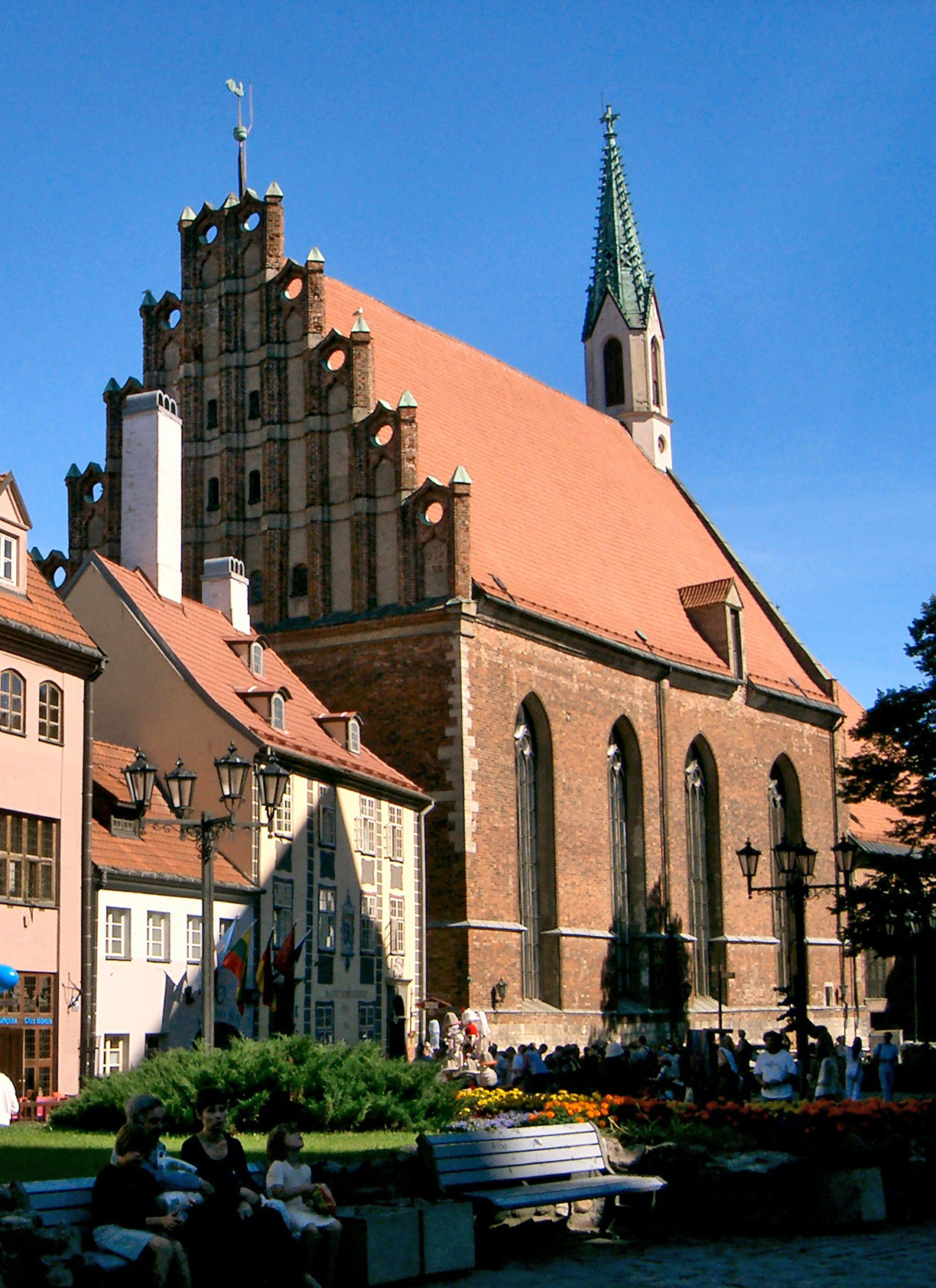
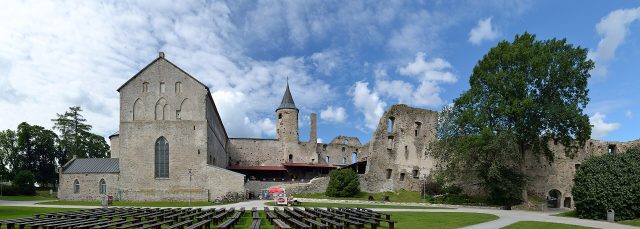
Haapsalu’s St. John’s Church stands quietly on a gentle slope, just a short walk from the town’s old railway station. Built in the late 18th century, it replaced an earlier wooden chapel that had served the local Lutheran community since the Reformation. The church is modest in size but carries a sense of permanence, its pale yellow facade softened by time and the Baltic winds that sweep in from the nearby sea. Unlike the grander medieval churches of Tallinn or Tartu, this one feels intimately tied to the town’s everyday life, a place where generations have marked births, marriages, and farewells.
The architecture is a blend of simplicity and understated elegance, typical of Estonian provincial churches from this period. The exterior is unadorned, save for the tall, narrow windows that let in slanted light during services. Inside, the space is bright and airy, with whitewashed walls and a high, slightly vaulted ceiling. The wooden pews, worn smooth by decades of use, face a simple altar backed by a large, unpretentious painting of Christ. The pulpit, carved from dark oak, rises above the congregation like a quiet reminder of the sermons that have echoed here for centuries.
One of the most striking features is the church’s organ, installed in the 19th century. Though not as elaborate as the instruments in Estonia’s larger churches, it has a warm, resonant tone that fills the space without overwhelming it. The organist’s bench is still in use, and on summer evenings, when the windows are open, the music drifts out into the surrounding streets, mingling with the sound of seagulls and the distant hum of the sea. The church occasionally hosts small concerts, drawing locals and visitors who appreciate its acoustics and the way the music seems to settle into the old walls.
The churchyard is just as much a part of the place as the building itself. It stretches out in all directions, a quiet expanse of weathered headstones and moss-covered paths. Some of the graves date back to the 19th century, their inscriptions faded but still legible if you take the time to look. The oldest stones lean slightly, as if bowing under the weight of years, while newer ones stand straight and clean. In the summer, wildflowers grow between the graves, and the air is thick with the scent of grass and damp earth. It’s a peaceful spot, the kind of place where people come not just to remember the dead but to sit for a while, listening to the wind in the trees.
Haapsalu itself has always been a town of quiet charm, known more for its seaside promenades and curative mud baths than for grand historical monuments. St. John’s Church fits neatly into this atmosphere. It doesn’t demand attention like the bishop’s castle at the other end of town, but it has its own steady presence, a reminder of the town’s Lutheran roots and the way faith has shaped daily life here. The church has survived wars, occupations, and the slow drift of time, and though it’s no longer the center of religious life it once was, it remains a place where people gather—not just for services, but for weddings, christenings, and the occasional community event.
The church’s location, just off the main street, makes it easy to visit without planning. You might stumble upon it while wandering through Haapsalu’s old town, or pause outside its gates after a walk along the seaside. There’s no grand entrance or imposing staircase, just a simple wooden door that’s often left open in the warmer months. Inside, the air is cool and still, the kind of quiet that makes you lower your voice without thinking. The light filtering through the windows casts long, shifting patterns on the floor, and if you stand near the back, you can hear the faint creak of the pews as someone shifts their weight.
For those who take the time to look, there are small details that tell stories. The brass plaque near the entrance, listing the names of pastors who served here. The faint pencil marks on the doorframe, where parents once measured their children’s heights. The way the floorboards dip slightly in the center of the aisle, worn down by generations of footsteps. These are the kinds of things that don’t make it into guidebooks but give a place its character. St. John’s Church isn’t a monument to be admired from a distance; it’s a living part of Haapsalu, shaped by the people who have passed through its doors.
In the winter, when the town is wrapped in snow and the sea is a distant gray line, the church takes on a different mood. The windows glow with warm light in the early evening, and the sound of hymns carries through the cold air. The churchyard is quiet, the graves dusted with snow, and the only movement comes from the occasional visitor making their way along the shoveled path. It’s a time when the church feels even more like a refuge, a place of stillness in the long Estonian winter.
St. John’s Church may not be the most famous landmark in Estonia, but that’s part of its appeal. It doesn’t need to be grand or dramatic to matter. It’s enough that it has stood here for centuries, a quiet witness to the lives of a small coastal town. Whether you come for the history, the architecture, or just a moment of peace, it offers something rare—a sense of continuity, of time moving slowly in a place where the past is never far away.