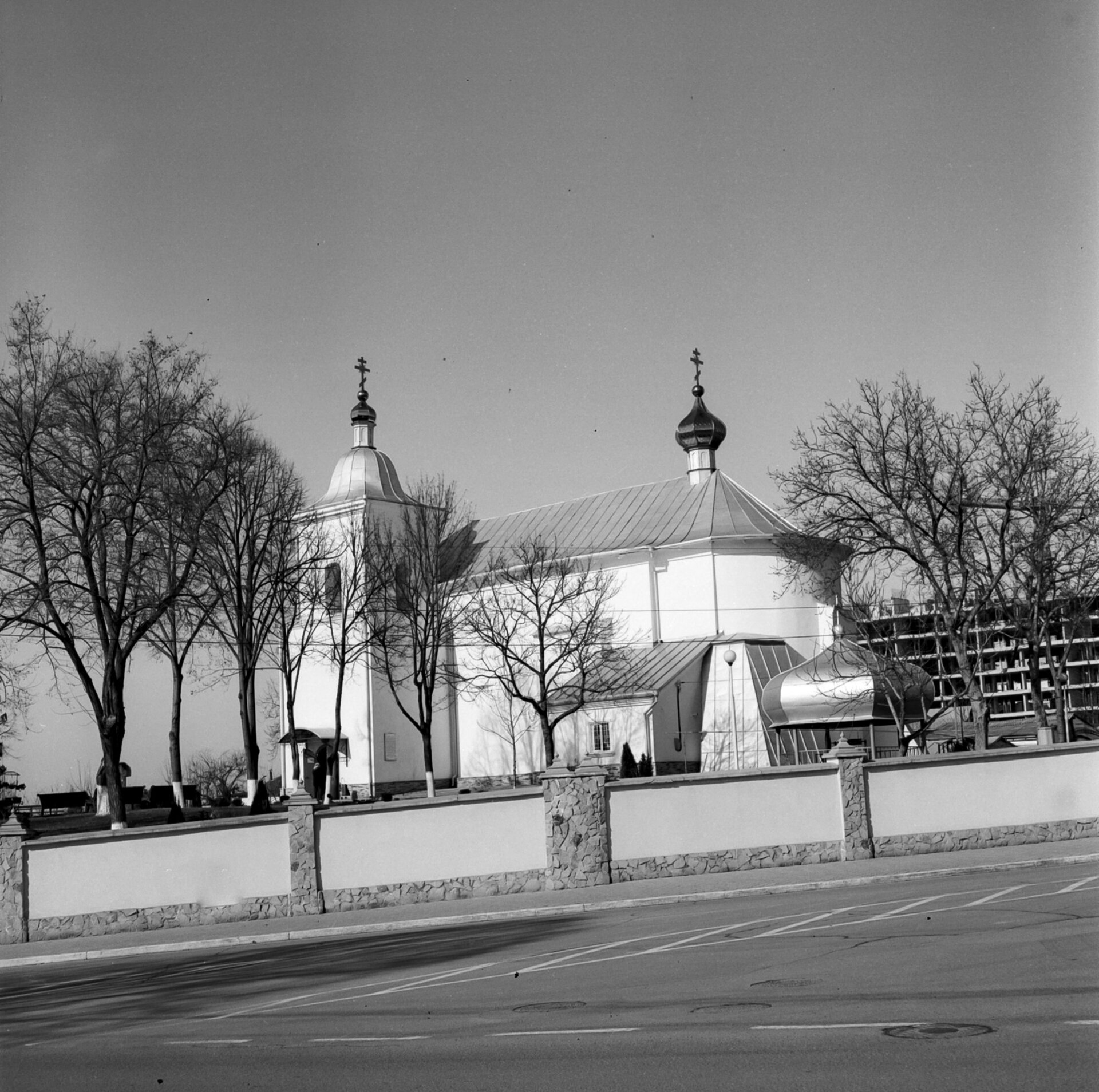
Old Orhei is a place where the past lingers in the wind sweeping through the limestone cliffs above the Răut River. The landscape here has jagged rocks rising from the valley floor, their surfaces softened by centuries of erosion. The Church of St. Demetrius stands in this rugged terrain, part of a monastery complex that has endured invasions, neglect, and revival. The church is small, its stone walls and domes blending with the cliffs.
History carved in stone
The monastery dates to the 14th century, when these lands belonged to the Principality of Moldavia. The first monks carved their cells into the rock, seeking solitude. Over time, the cave dwellings expanded, and the Church of St. Demetrius was added in the 17th century. Built under Ottoman rule, its construction was an act of quiet defiance. The church’s architecture reflects this history—thick walls, a rounded apse, and restrained decorative elements.
The design carries Balkan influences. It was never meant to rival the grand monasteries of northern Moldova, but its simplicity carries its own significance.
Inside the church
The air inside smells of beeswax and incense. Light filters through narrow windows, casting shifting patterns across the walls. Some original frescoes remain, their colors muted by time. The most striking is a depiction of the Last Judgment, covering an entire wall with figures and symbols. Many details have faded, but what survives suggests the skill of the artists who painted them.
The church was never meant to be grand like cathedrals. Its power lies in its simplicity, in how it seems to grow from the rock itself.
Cycles of abandonment and renewal
By the 18th century, after repeated invasions, the monastery was left to decay. For decades, the caves and buildings stood empty. Restoration efforts began in the mid-20th century, though not for religious reasons. The complex served as a sanatorium for tuberculosis patients, then as a tourist hostel. Only in the 1990s, after Moldova regained independence, was the church returned to the Orthodox community.
Today, it functions as a place of worship. Its past lives are visible in the worn stone and graffiti left by Soviet-era visitors.
Reaching the monastery
The path from the riverbank is steep. It forces you to slow down, to watch your step and notice how the light changes as you climb. The other route crosses a bridge over the Răut, offering a view of the valley before the final approach. From either direction, the first glimpse of the church is striking—its domes and arches framed by the cliffs.
Seasons inside the church
In summer, the church hums with activity. Weddings, baptisms, and tourists fill the space. Locals come to light candles, pray before the icons, and leave flowers or coins. The church feels alive, connected to the village below.
In winter, the valley is quiet. The river runs dark under ice. The cold seeps into the stone, and the silence is so complete you can almost hear the monks who once lived here, chanting through the long nights.
Beyond the monastery
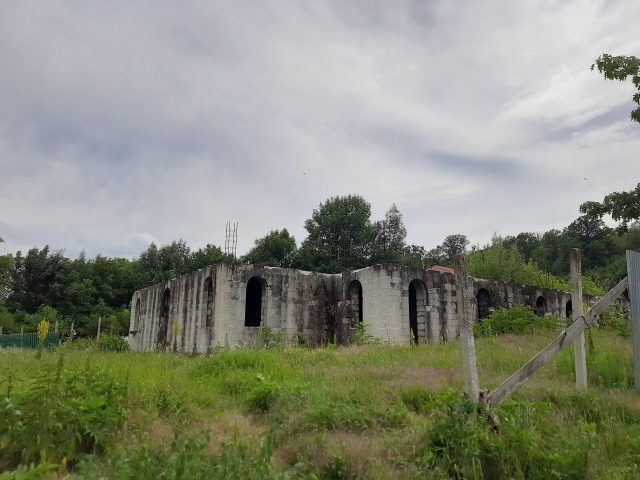
The ruins of Old Orhei stretch across the plateau. This was once a medieval city, a hub of trade and craftsmanship. Now, only outlines of streets and buildings remain, marked by low stone walls and fragments of foundations.
Nearby, the cave hermitages of the earliest monks cling to the cliffs. Some are hollowed-out chambers, while others retain faded frescoes and Cyrillic inscriptions. Exploring them feels like stepping into a different era, where faith and survival were intertwined.
The Church of St. Demetrius is not just old. It has been a sanctuary, a refuge, a hospital, and a ruin. It has seen empires rise and fall. Standing inside, with the wind whispering through the cracks and the scent of incense in the air, you feel the weight of that history. The past isn’t just remembered here—it’s still present, in the stone under your feet and the light through the windows.