The Church of the Nativity of the Blessed Virgin Mary in Kobryn
The church sits on the edge of town, where old streets meet private homes. The city center’s noise fades here, replaced by the slower pace of daily life. Its architecture is unadorned—no domes or facades meant to impress. Instead, it holds the quiet weight of decades: baptisms, weddings, funerals, and the prayers of generations.
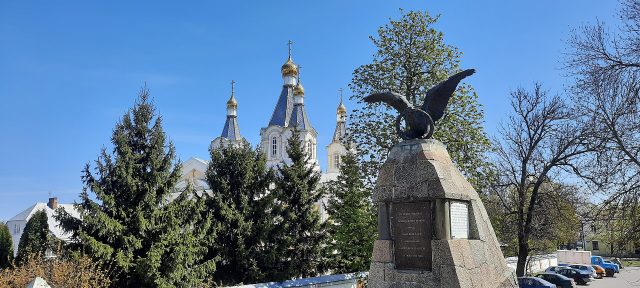
The church was built in 1904, when Kobryn was a small district town in the Russian Empire. Parishioners and local merchants funded it, though the architect’s name is forgotten. The design blends late Russian classical with Byzantine touches—brick walls, rounded window arches, a modest dome. Early 20th-century photographs show it almost unchanged.
During the Soviet era, the church became a warehouse. Post-war plans nearly demolished it. It survived. In the 1980s, it was returned to the faithful. The interior was restored: an iconostasis recreated from old photographs, frescoes preserved by hand. The space feels both old and lived-in, past and present side by side.
Tourists don’t come for relics or grand interiors. There are no ancient manuscripts or saints’ remains. The church serves a different purpose—quiet refuge. On weekdays, only the murmurs of elderly women lighting candles break the silence. Sundays bring hymns, voices filling the vaulted ceiling.
The facade is simple: pilasters, cornices, small gables above the windows. A bell tower on the western side rings in the morning. Inside, wooden pews line the nave. The iconostasis holds a few treasures. One of the oldest icons, of the Virgin Mary with the Christ Child, was painted by a local artisan. Some once believed it worked miracles.
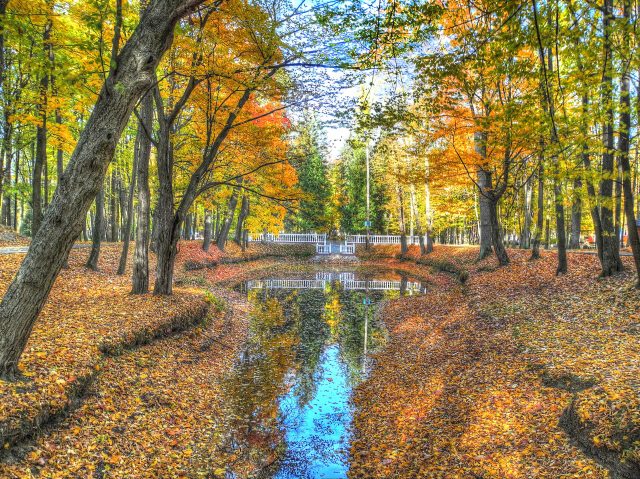
Kobryn isn’t a tourist stop. No souvenir stalls or guided groups. The church blends into the town—old wooden houses, a neglected pond, a small park. It doesn’t stand out. It’s just there, like the trees or the Mukhavets River.
In late summer, linden trees around the church turn gold. The air smells of ripe apples from nearby orchards. Services aren’t daily, but if you visit at the right time, you might hear an evening liturgy. The choir, made up of locals, sings with rough harmony. Afterward, people linger—talking to the priest, standing on the steps, not wanting to leave the quiet.
There’s no need for grand words. The church doesn’t ask for them. It stands as it always has, like the old trees or the bridge over the river. A silent witness to lives that have passed through its doors. You can sit on the bench by the entrance, listen to the leaves, and think of the people who came before you—and those who will come after.