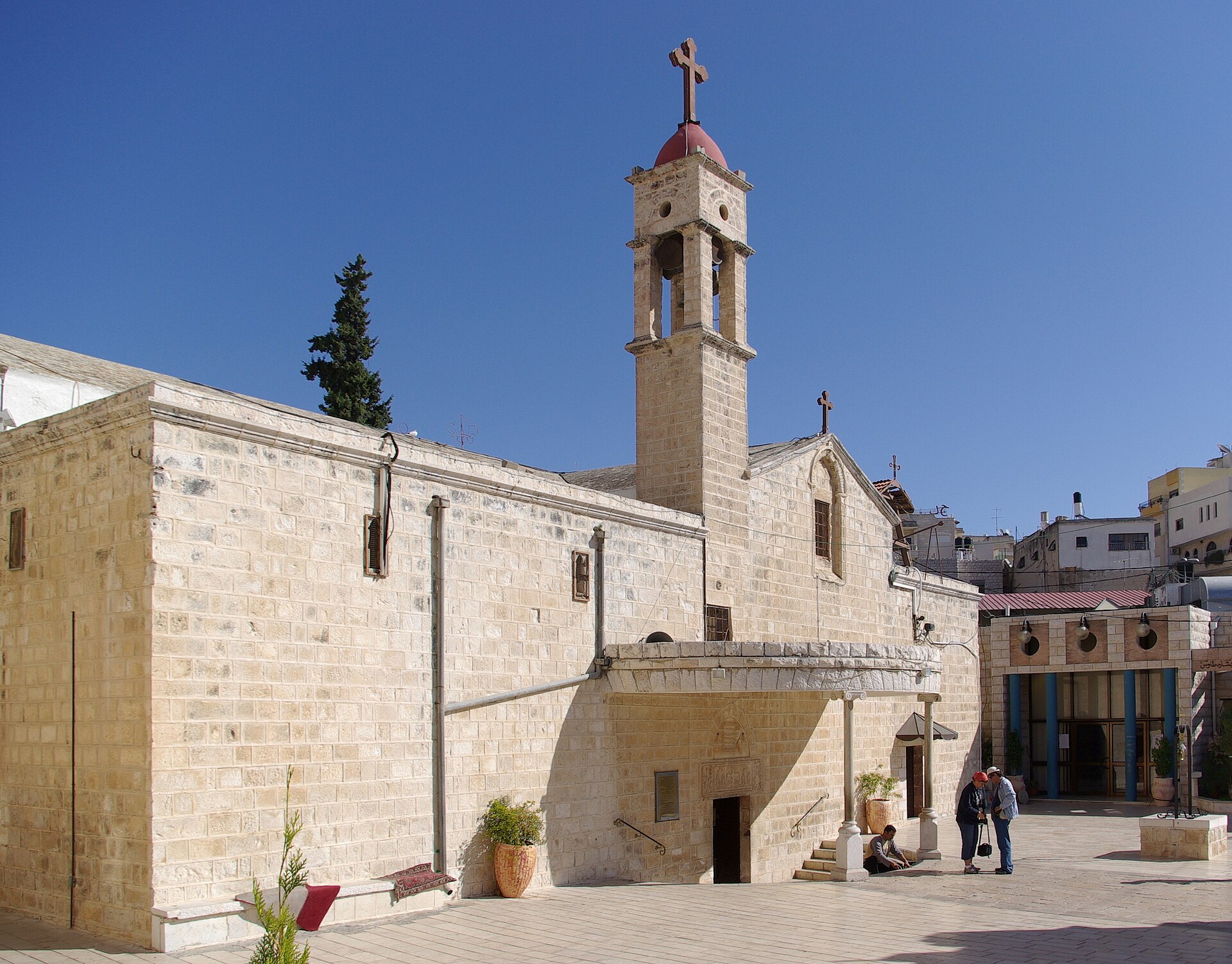
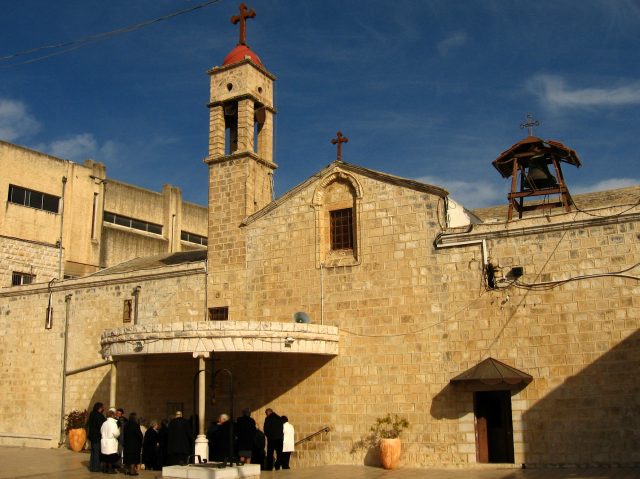
Nazareth is called the cradle of Christianity, though the title is shared with other cities. The Church of the Archangel Gabriel stands over a spring linked to one of the New Testament’s key moments. Tradition says the angel Gabriel appeared to Mary here, at this well, to announce the birth of Jesus. Today, the church is a quiet place, away from the crowds at more famous sites.
The building is modest, its dark stone walls and vaulted ceilings showing centuries of use. The first church here dates to the Byzantine era, when Nazareth began drawing pilgrims. Crusaders expanded it, Muslim rule left it neglected, and the Greek Orthodox community restored it in the 18th century. What remains is a mix of these layers, visible in the worn steps and lingering scent of incense.
The interior is simple. The main altar honors the Annunciation, while beneath it, a crypt holds the spring. A narrow staircase leads down to a small pool of clear water, still considered sacred. Some visitors fill bottles to take home. The crypt’s walls bear faded frescoes of Mary’s life, and an old icon of Gabriel watches from one corner. Unlike the grand Basilica of the Annunciation elsewhere in Nazareth, this church feels intimate. The sound of dripping water and the soft glow of candles create a quiet space.
The spring was once Nazareth’s only water source. In biblical times, people gathered here daily—drawing water, washing clothes, tending animals. It was an ordinary place, yet it became the setting for an extraordinary event. Standing in the crypt today, you can almost hear the echoes of that life. This wasn’t a temple or a palace; it was where people lived, and where history unfolded.
In the 19th century, European travelers wrote about the church as one of Nazareth’s most evocative spots. Old photographs show women still gathering at the spring, much as they had for generations. Today, the church remains active, part of the community. Visitors come not for fame, but to see Nazareth as it once was—a place where faith and daily life intertwined.
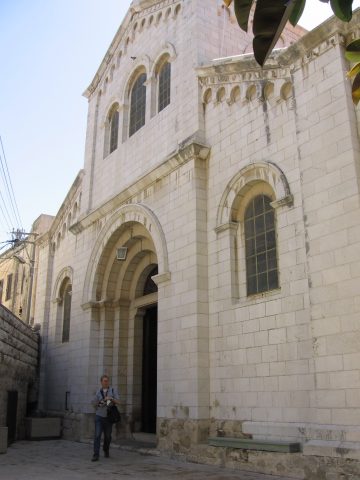
The architecture is typical of Orthodox churches in the region. From the outside, the building looks like a home, its thick walls and small windows blending into the streets. Only the cross on the roof reveals its purpose. Inside, the design leads downward, from the light-filled nave to the dim crypt where the spring lies. This shift from brightness to shadow mirrors the story—a divine moment in an ordinary place.
The church sits in one of Nazareth’s old quarters. Narrow alleys surround it, filled with the scent of fresh bread and the sound of Arabic conversations. Nearby shops sell olive oil and spices, their wares displayed as they might have been centuries ago. Here, the past isn’t just remembered; it’s still part of everyday life.
The church is open during the day. No guided tours, just the chance to wander, sit on a wooden bench, and listen. For those interested in Christianity’s roots, it offers something rare: a personal connection to history. These unassuming places often leave the deepest mark, where time’s weight isn’t in gold or marble, but in the quiet persistence of faith and memory.