Here, time slows. No crowds, no neon signs—just the quiet rhythm of a Belarusian town where life unfolds at its own pace. The square has been the heart of Kolodishchi for centuries, a place where history and the present meet without fuss.
Kolodishchi grew from a rural village into an industrial hub before becoming part of Minsk’s outskirts. The square stayed its center. Farmers once gathered here for markets, festivals, and trade. Now, on weekends, vendors sell vegetables, children race bicycles, and neighbors chat on benches. Weekdays are quieter, but the sense of community remains.
The buildings around the square are low—two or three stories—with light-colored facades. Some still wear Soviet modernism; others have been repainted. Together, they feel familiar, unremarkable in the best way. In the center, a small park with flowerbeds and trees offers shade in summer and a Christmas tree in winter. It’s where people sit when they want to escape the heat or just watch the day pass.
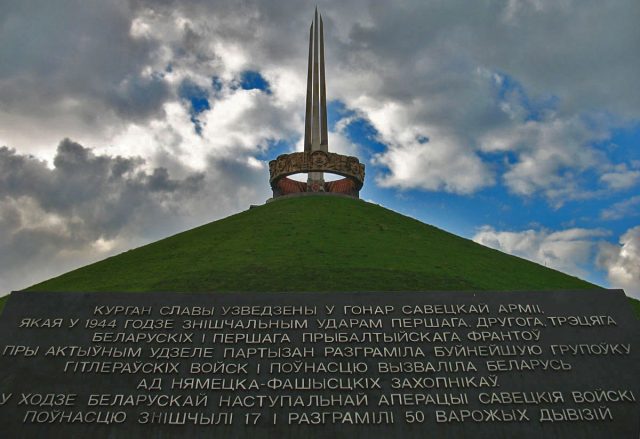
The House of Culture stands as a relic of the past. It once hosted concerts, film screenings, and dances. Today, its role is smaller, but it still holds memories of a time when culture wasn’t a luxury. Nearby, a monument lists the names of local soldiers who died in World War II. Every May 9th, residents bring flowers.
Kolodishchi’s history begins in the 16th century as a noble-owned village. By the 19th century, it was a stop on the road from Minsk to Borisov, with a postal station. The Soviet era brought factories and new housing. Through it all, the square stayed the town’s anchor.
What makes this place special? Not grand architecture or famous landmarks, but the way it feels lived-in. Here, different eras coexist without fanfare. There are no tourist traps—just the quiet reality of a town that has changed slowly, over generations.
Early mornings are still. A car passes, or a market-goer hurries by. By afternoon, schoolchildren walk home, and retirees stroll with their grandchildren. Evenings glow under streetlights, warm light spilling from apartment windows. Winter brings snow, covering the trees, and a small ice rink for local kids.
Kolodishchi isn’t for those seeking excitement. It’s for those who want to see Belarus beyond the usual routes—a country of small towns where life moves at its own rhythm. The square isn’t just a public space; it’s the town’s quiet mirror: unpretentious, genuine, and full of small, everyday moments.