Kolodishchi Park of Culture and Rest is one of those quiet places that don’t announce themselves at first glance but leave a lasting impression. Tucked away on the outskirts of Minsk, in the small settlement of Kolodishchi, it feels like a world apart, where the city’s hustle fades into the background. There are no flashy attractions or crowds of tourists here—just the hush of old trees, the play of light through leaves, and the sense that time moves a little slower. It’s a favorite spot for locals, but visitors who seek a break from the capital’s pace often find something special in its understated charm.
The park’s history is woven into the story of Kolodishchi itself. The settlement dates back to the 16th century, when it was home to noble estates and small manors. By the 19th century, the land belonged to a local landowner who shaped the grounds into an English-style park, with meandering paths, artificial ponds, and rare trees. After the revolution, the estate fell into disrepair, but the park endured, though in a simpler form. During the Soviet era, it was transformed into a public space, with benches, pavilions, and playgrounds added to welcome visitors. Today, little remains of the estate’s former grandeur, but the park still carries a sense of tranquility and connection to nature.
There aren’t many architectural marvels here, but what does exist is worth noticing. The centerpiece is an old pond with a small island in the middle, connected by a narrow bridge. The water is dark, almost black, with reeds and willows bending over its surface. Locals say fish still live in the pond, and you might spot the occasional angler, though fishing isn’t officially allowed. Nearby stands a simple wooden gazebo, built in the early 20th century, with carved railings—a quiet symbol of the park and a favorite spot for wedding photos and quiet moments.
The park isn’t large, but its layout makes it feel spacious. Wide paths, paved or packed with earth, wind through open meadows dotted with wildflowers. In summer, the greenery is lush, while autumn turns the park into a blaze of gold and crimson, with maple and oak leaves painting the scene in warm hues. Winter brings a different kind of beauty, with cleared paths for walks and the soft crunch of snow underfoot. Crows perch in the treetops, adding life to the quiet landscape.
For children, there’s a modest playground with swings, slides, and sandboxes—nothing extravagant, but enough to keep little ones entertained without the usual crowds. Nearby, a small pavilion sells ice cream and drinks in the summer, and hot tea in the colder months. During warm weather, the park occasionally hosts small family-friendly events—concerts, crafts, or games—that feel more like a neighborhood gathering than a tourist attraction.
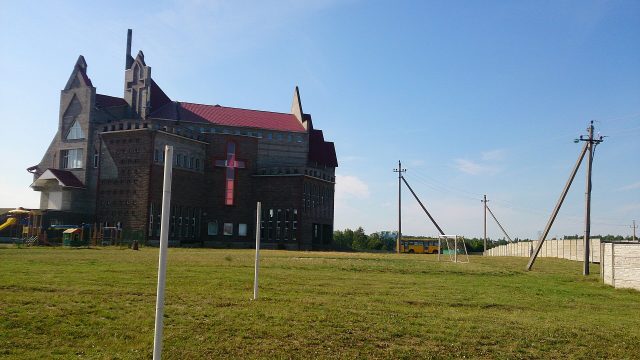
Adults come for different reasons. Some walk their dogs, others spread out a picnic blanket, and a few arrive by bike to ride the paths. There are sports facilities, too: a volleyball court, a basketball hoop, and a small soccer field where local teams play. In winter, the pond becomes an ice rink, drawing skaters from the surrounding area. It’s not as grand as the rinks in Minsk, but the lack of crowds makes it all the more enjoyable.
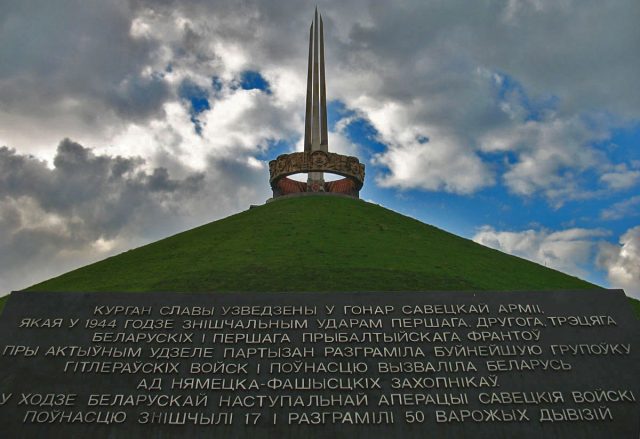
One of the park’s most meaningful features is its Memory Alley, added in recent years to honor the residents of Kolodishchi who died in World War II. The path is lined with memorial plaques bearing the names of the fallen. The atmosphere here is always quiet, even when children play nearby, as if the place itself commands a moment of reflection. It’s subtle, but it gives the park a deeper significance, tying it to the broader history of the country and the lives of those who lived here.
Kolodishchi Park isn’t a place for those seeking spectacle or novelty. There are no grand fountains, exotic plants, or loud entertainment. Instead, it offers something simpler: a chance to slow down, breathe, and enjoy the small things—a walk under the trees, the rustle of leaves, or the company of friends and family. It asks nothing of its visitors except respect for the space and those around them. And perhaps that’s why it feels so special to those who know it.