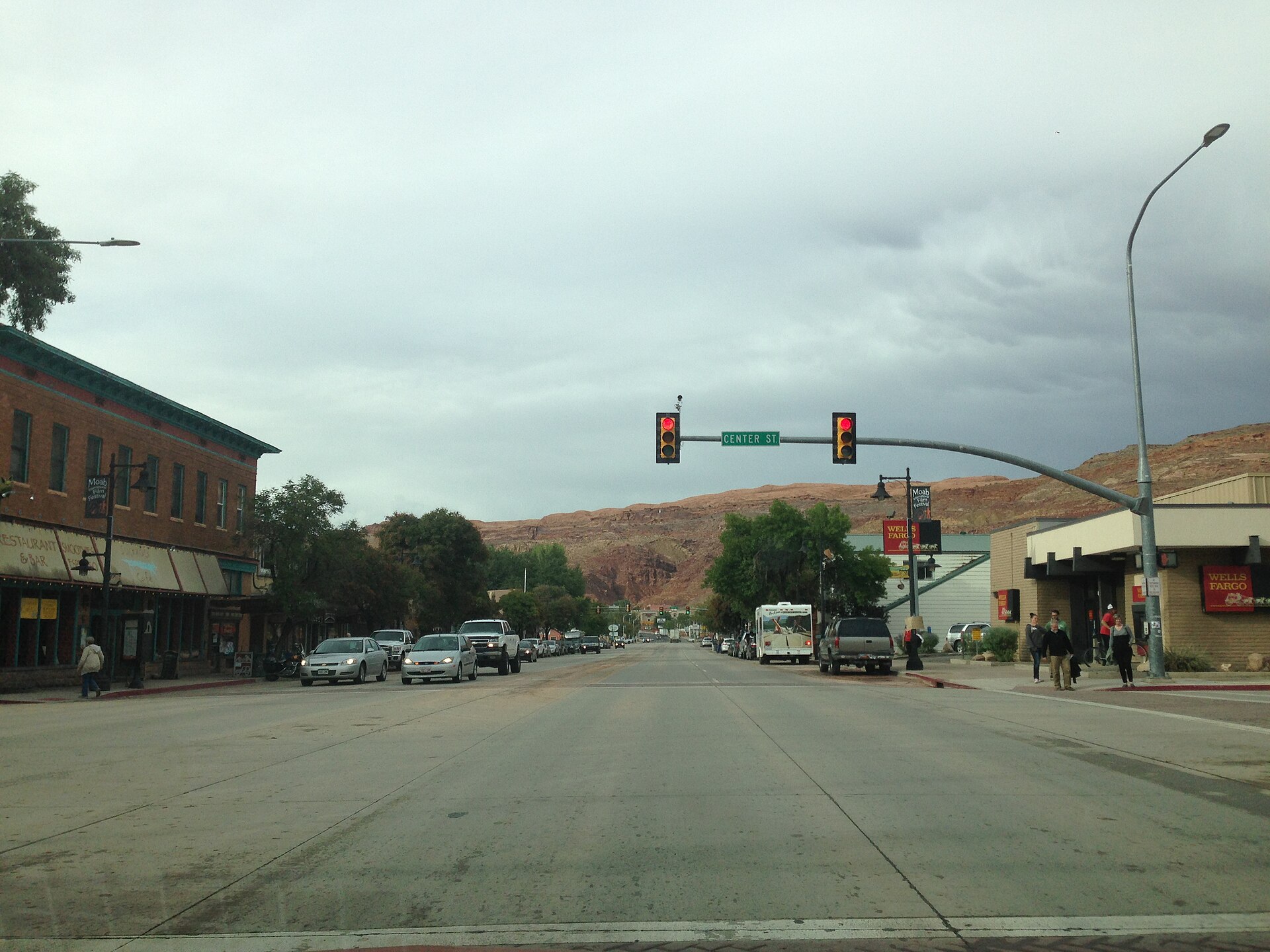
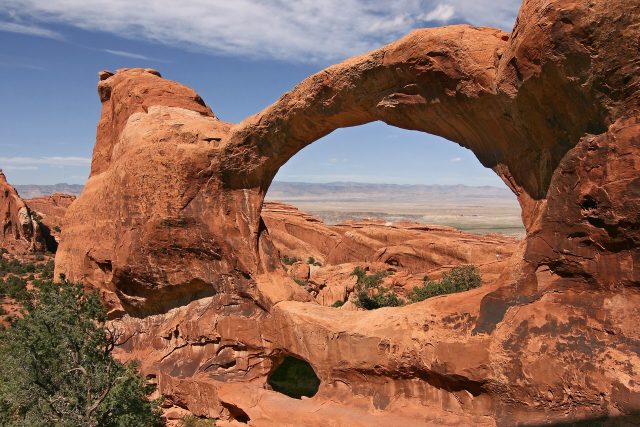
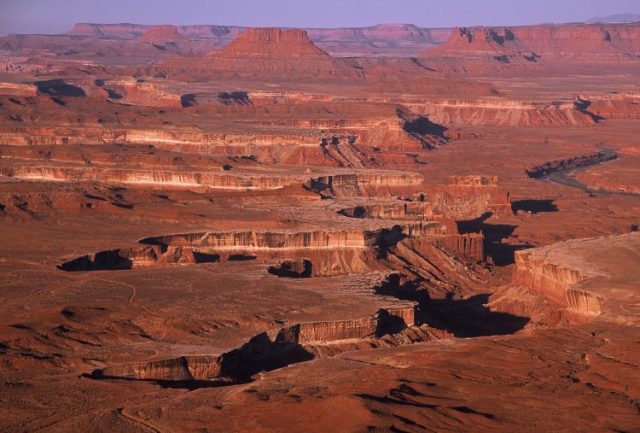
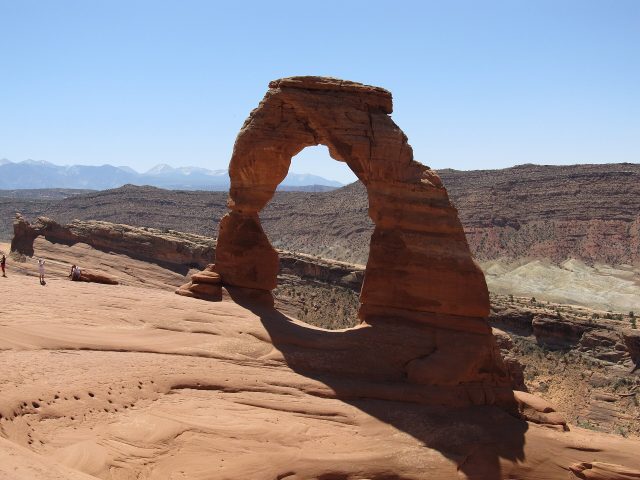
The Moab Visitor Center sits at the edge of town, where pavement ends and backroads fade into desert dust. No flashy signs or crowds mark it—just a quiet outpost before the wild begins. If you’re new to this part of Utah, this is where you learn what sets it apart: not just the arches and canyons, but the space, history, and possibility carried on the wind.
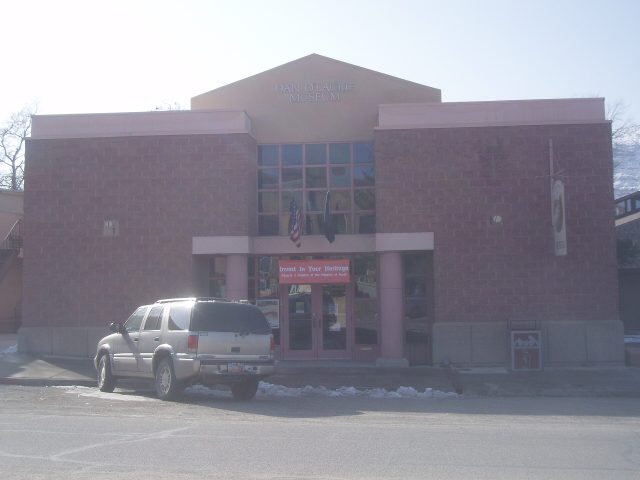
The building doesn’t demand attention. Sandstone walls mirror the red rock beyond, and large windows frame the desert like a living mural. Inside, the air holds the scent of paper maps, sun-warmed wood, and the faint grit of boots. It’s a space that feels both functional and warm—a threshold between Moab’s small-town ease and the vastness of the parks outside.
The staff here don’t just hand out brochures. They share what they’ve learned: which trails catch the best sunrise, how to dodge crowds in Arches and Canyonlands, where to find the quiet spots most visitors miss. Traveling with kids? They’ll point you to the easiest hikes. On a bike? They’ll suggest safe routes. Seeking solitude? They’ll tell you exactly where to go. Their advice fits what you’re after—adventure, peace, or something in between.
Before this land became a playground for hikers and photographers, it was home to the Ute and Navajo people. Their petroglyphs and ruins still scar the landscape. A small exhibit inside traces their history alongside the settlers who arrived in the 19th century, lured by open land and fresh starts. These layers of human presence turn the red rocks and canyons from scenery into a record of time. You don’t just look at this place—you stand where people have left their mark for thousands of years.
The desert is fragile. A misplaced step can leave lasting damage. The staff explain why staying on trails matters, how to camp without harm, why pocketing a rock or driftwood adds up. These rules aren’t about restrictions—they’re about keeping the land wild for those who come next. The parks weren’t preserved for us alone.
The center gathers all kinds of travelers: hikers, cyclists, off-roaders, families, solo wanderers. Some come to swap stories, others to find a group for a longer trek. A few linger over coffee and maps. No pressure, no sales pitch—just a shared appreciation for what lies outside. Conversations start easily here. Strangers trade tips or warnings. The excitement of what’s ahead hangs in the air.
If you’re staying in Moab for more than a day, the visitor center is your first stop. Check trail conditions, weather updates, or temporary closures. Even if you’re just passing through, it’s worth a pause. A few minutes with a ranger or a glance at the exhibits might reshape your plans—or at least show you why this corner of the world has captivated so many. The desert doesn’t give up its secrets all at once. It takes time, patience, and sometimes a little help.
Moab isn’t just scenery. It’s the people who’ve lived here, explored here, protected it. The visitor center makes that care visible. It’s where the land’s past and present meet, where travelers become temporary stewards of a place that has endured for millennia. You might walk in for directions, but you’ll leave with something deeper—a connection to the land and the people who call it home.