Abuja’s International Conference Centre stands as one of the most recognizable landmarks in Nigeria’s capital, a place where the country’s political, cultural, and diplomatic narratives often converge. Built in the late 1980s, the complex was designed to host large-scale events, from African Union summits to global economic forums, reflecting Nigeria’s ambition to position itself as a continental leader. The architecture is imposing yet functional, a blend of modernist lines and subtle African motifs that give it a distinct identity without overwhelming the surrounding cityscape. Its sheer scale—capable of accommodating thousands of delegates—speaks to the role Abuja plays as a hub for regional and international dialogue.
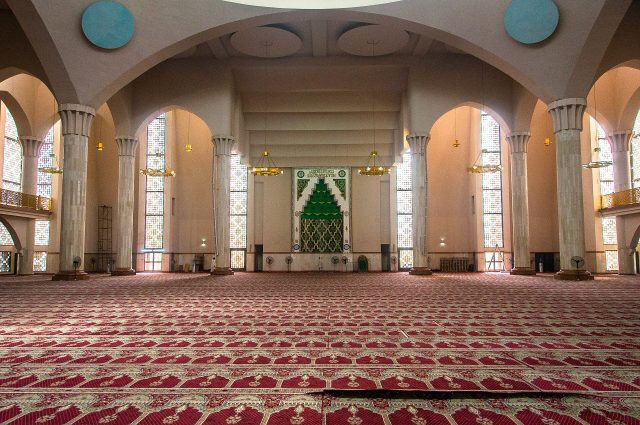
The building’s design was the result of a collaboration between Nigerian and international architects, though its most striking feature remains its grand entrance hall, with its high ceilings and expansive marble floors. The main auditorium, often the heart of major conferences, is equipped with state-of-the-art facilities, though its most memorable aspect is the way it balances grandeur with practicality. Unlike some conference centers that feel sterile or overly formal, this one carries a sense of purpose, as if every corner was built with the understanding that history might be made within its walls.
Over the years, the center has hosted some of Nigeria’s most significant gatherings. Heads of state, diplomats, and business leaders have walked its corridors, negotiating trade deals, peace agreements, and development strategies. The African Union’s summits, in particular, have left their mark, turning the venue into a symbol of pan-African cooperation. Yet it’s not just about politics—cultural events, exhibitions, and even concerts have taken place here, proving that the space is as versatile as the city it serves.
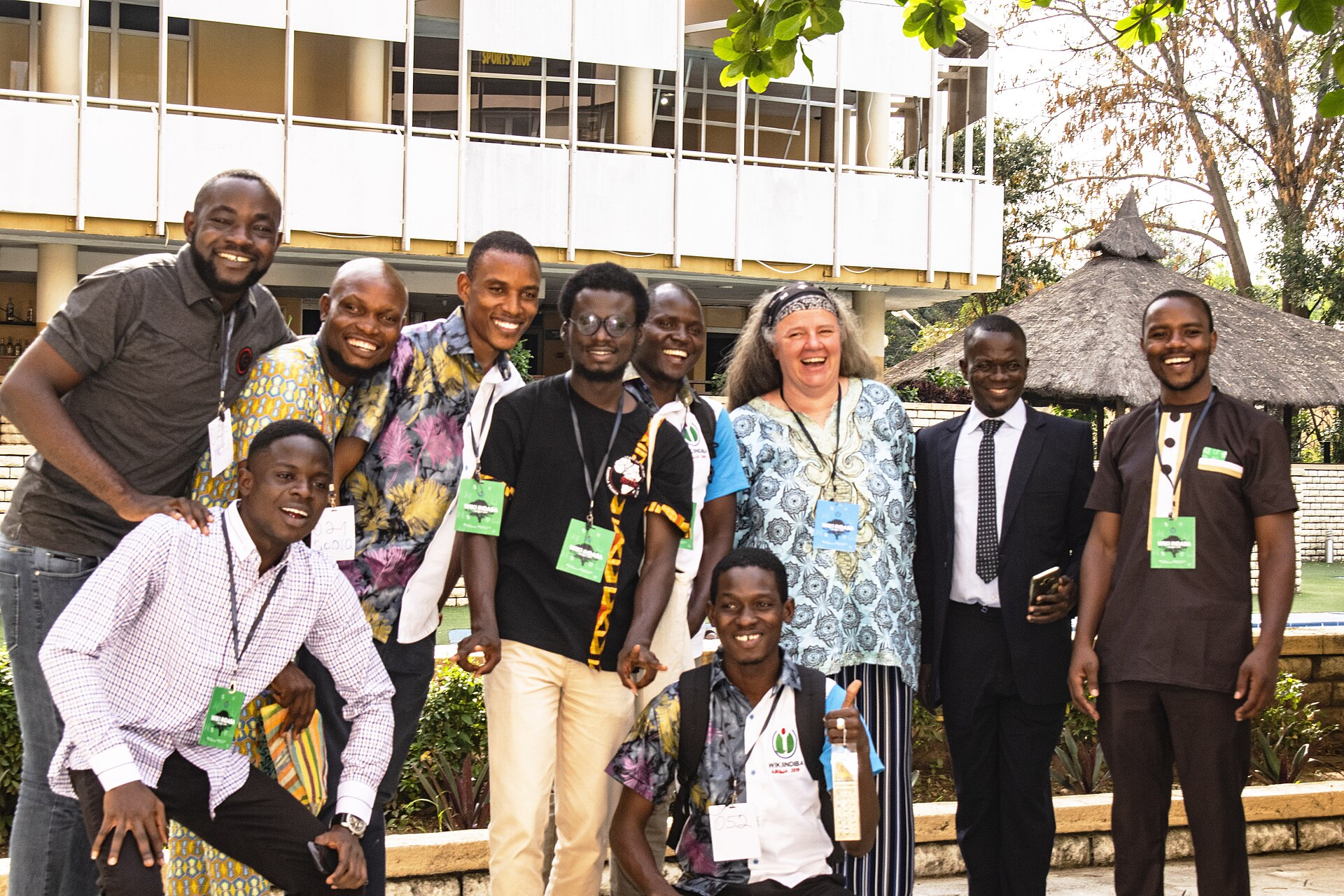
Beyond its official functions, the International Conference Centre is also a place where the rhythms of Abuja’s daily life occasionally spill over. The surrounding area, though primarily a government district, has a quiet energy, especially in the early mornings when delegates and staff arrive, or in the evenings when the lights of the building reflect off the nearby streets. The plaza in front of the center often becomes a temporary meeting point, where journalists, security personnel, and curious onlookers gather during high-profile events.
What makes the center more than just a functional space is its role in Nigeria’s broader story. Abuja itself was a planned city, carved out of the savanna in the 1980s to replace Lagos as the capital, and the conference center was one of its first major projects. Its construction was a statement—of Nigeria’s aspirations, its place in Africa, and its willingness to engage with the world. Today, it stands as a reminder of those ambitions, even as the city around it continues to grow and change.
For visitors, the center is not typically a tourist attraction in the traditional sense. There are no guided tours or museum exhibits, and access is often restricted during major events. Yet for those interested in Nigeria’s political and diplomatic landscape, it offers a glimpse into the mechanics of power and influence on the continent. The building’s very presence—its size, its location, its history—tells a story about how Abuja came to be and what it represents.
On a practical level, the International Conference Centre is a well-oiled machine, designed to handle the logistics of large gatherings with efficiency. The backstage areas, though rarely seen by the public, are a maze of offices, press rooms, and technical facilities, all working in tandem to ensure that events run smoothly. The staff, many of whom have worked there for decades, move with a quiet professionalism, a testament to the center’s long-standing role in Nigeria’s public life.
In many ways, the building is a microcosm of Abuja itself—ambitious, purposeful, and still evolving. It may not have the ancient history of cities like Kano or Benin, but it carries the weight of Nigeria’s modern identity. Whether it’s hosting a summit on climate change or a regional trade fair, the International Conference Centre remains a place where ideas are exchanged, decisions are made, and, occasionally, the course of a nation is shaped. For those who pass through its doors, it’s more than just a venue; it’s a piece of living history.