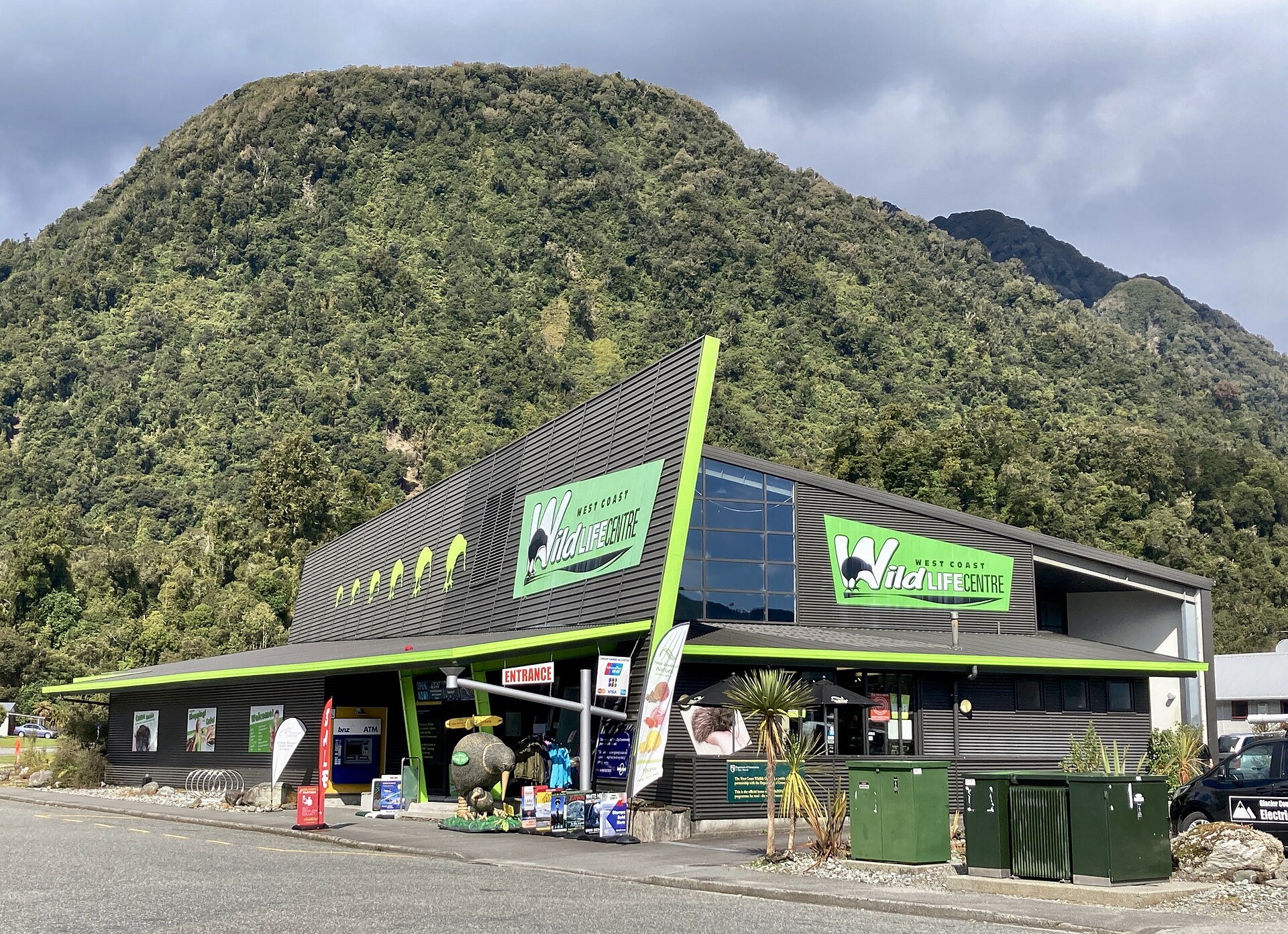
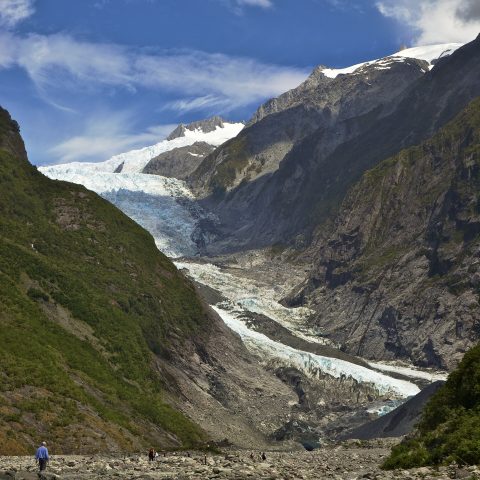
Franz Josef is a quiet town on New Zealand’s West Coast, where the landscape feels untouched by time. Dense rainforests stretch toward jagged mountains, while the Waiho River cuts through the valley, its steady murmur blending with the calls of native birds. The air carries the sharp tang of salt from the Tasman Sea and the damp earthiness of the bush. This is a place where nature sets the pace, and the West Coast Wildlife Centre offers a rare glimpse into the creatures that thrive in this rugged corner of the world.
The centre is one of the few places where you can encounter New Zealand’s most elusive animals up close. Among them is the kiwi, the country’s national icon. These flightless birds are notoriously shy, emerging only under the cover of darkness to forage in the leaf litter. In the wild, spotting one is a matter of luck, but here, dimly lit enclosures mimic their natural habitat, allowing visitors to observe them without disturbance. The kiwi’s vulnerability is no secret—introduced predators and shrinking forests have pushed their numbers to the brink. The centre doesn’t shy away from this reality, presenting the facts plainly alongside the birds themselves.
Then there are the tuatara, creatures so ancient they seem plucked from another era. Often mistaken for lizards, they belong to an entirely separate lineage, one that walked the earth alongside dinosaurs. Their slow metabolism and remarkable longevity—some live over a century—make them living relics. The centre’s exhibits explain how these reptiles have survived for millions of years, only to face new threats in the modern world. Habitat loss and climate change have made them one of the rarest animals on the planet, found only in a handful of places, including this remote stretch of coastline.
Perhaps the most endearing residents are the little blue penguins, the smallest penguin species in the world. Along the West Coast, they nest in burrows hidden among coastal scrub, venturing out at dawn to fish in the cold waters of the Tasman. The centre plays a crucial role in their survival, running a rehabilitation programme for injured or weakened birds. Visitors can watch as staff care for them, learning about the dangers they face—from predators like stoats and dogs to the plastic waste that washes ashore. It’s a reminder of how easily human activity can disrupt even the most resilient species.
The building itself is designed to blend into its surroundings, constructed from local timber and stone. Large windows flood the space with natural light, creating an unhurried atmosphere where visitors can take their time. There’s no rush here, no jostling for the best view. The displays are straightforward, focusing on the animals’ lives and the challenges they face, rather than spectacle. It’s an approach that feels honest, even necessary, in a place where the line between survival and extinction is so fragile.
Beyond conservation, the centre serves as an educational hub, offering insights into how human behaviour affects the environment. Simple lessons—like the importance of keeping beaches clean for nesting penguins or minimising noise in the bush to avoid disturbing kiwi—carry weight in a region where nature is both the main attraction and the most vulnerable asset. These aren’t just abstract warnings; they’re practical reminders of how easily balance can be tipped.
Franz Josef isn’t a place of grand landmarks or dramatic vistas. Instead, it offers something quieter but no less profound: a chance to witness the intricate web of life that has evolved in isolation. The kiwi, tuatara, and little blue penguins are more than curiosities—they’re symbols of what’s at stake. Their survival depends on the choices made today, in this small corner of the world and beyond.
The West Coast Wildlife Centre doesn’t just showcase these animals; it asks visitors to consider their role in the story. There’s no fanfare, no exaggerated claims—just the steady rhythm of the rainforest outside and the quiet determination of those working to protect what remains. In an age where so much is measured by speed and scale, this place invites you to slow down, to listen, and to remember that some things can’t be replaced.