The botanical garden of Maria Curie-Skłodowska University in Lublin is one of those quiet places where the city’s rhythm slows down just enough to let you notice the details. Tucked away on the edge of town, it sprawls across gentle slopes and lowlands where a river once flowed, its paths winding through carefully arranged landscapes that feel both natural and deliberately shaped. Founded in 1956, the garden was born from the post-war revival of Lublin, initially serving as a practical space for biology students. Over the decades, it has grown into something more—a place where research and leisure coexist, where locals come to escape the noise of the city center, and where visitors can wander for hours without stumbling into crowds.
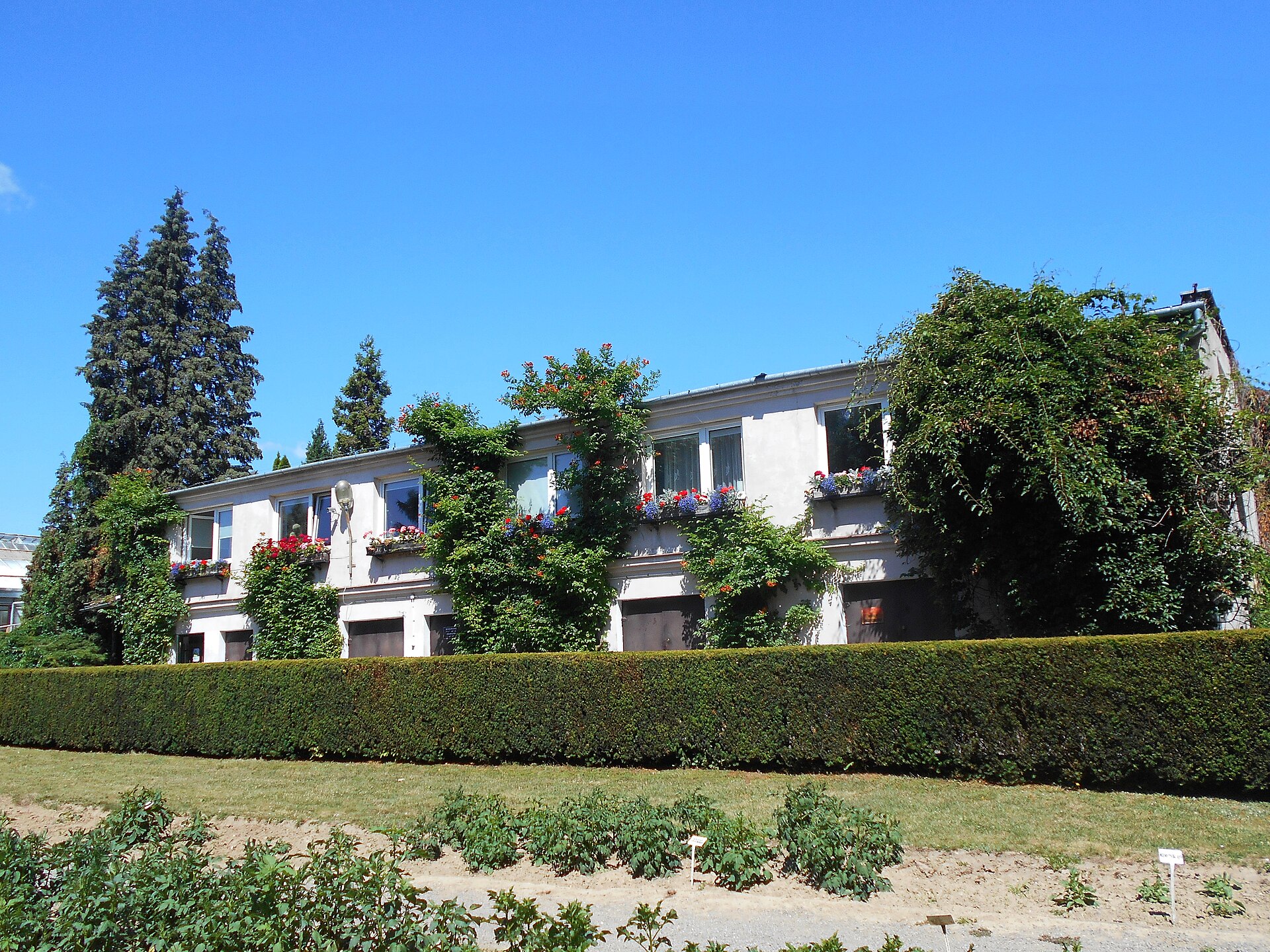
The architecture here is unassuming, designed for function rather than spectacle. The greenhouses and conservatories, with their large windows and clean lines, blend into the surroundings without demanding attention. Yet inside, they hold worlds of their own. Tropical and subtropical plants thrive in the controlled climate, their leaves and blooms a stark contrast to the Polish seasons outside. One of the most striking sections is the aquatic greenhouse, where lotus leaves float on the water’s surface and small turtles glide beneath them. It’s easy to lose track of time in these humid, sunlit spaces, where the air carries the scent of damp earth and unfamiliar flowers.
Outside, the garden is divided into thematic areas, each with its own character. The alpine garden mimics mountain terrain with rocky outcrops and low-growing plants, while the arboretum showcases rare trees and shrubs from different corners of the world. A section dedicated to medicinal herbs offers a glimpse into the practical side of botany, where visitors can see the plants behind familiar remedies. The rose garden, one of the oldest parts of the grounds, is a favorite in late spring and early summer, when dozens of varieties bloom in succession. The air hums with bees moving between the flowers, and the scent lingers long after you’ve left.
Lublin’s history is woven into the garden’s story. After the Second World War, the city was rebuilding, and the creation of this space was part of that effort. What began as an academic resource soon opened its gates to the public, becoming a place where science and everyday life intersect. Today, students conduct research here, school groups learn about plant biology, and cultural events—concerts, exhibitions, even outdoor theater—bring new energy to the grounds. On summer evenings, the garden takes on a different mood, with visitors lingering not just for the plants but for the sense of calm that’s hard to find elsewhere in the city.
Winter transforms the garden into a different kind of place. Snow blankets the lawns and shrubs, and frost clings to the branches, turning the landscape into something almost magical. The greenhouses remain warm and vibrant, offering a refuge from the cold. Inside, the air is thick with the scent of tropical flowers, and the contrast between the lush greenery and the frozen world outside is striking. The cactus and succulent collection is especially popular in these months, their spiky forms and bright blooms standing out against the winter light.
For those exploring Lublin, the botanical garden makes for a peaceful counterpoint to the city’s historic center. It’s close enough to reach on foot or by public transport, and the entrance fee is modest, with discounts often available for students and children. There’s a small café where you can grab a coffee or a light meal, and benches are scattered along the paths, inviting visitors to sit and watch the garden’s quiet rhythms. Unlike the busier parts of town, this is a place where you can wander without hurry, where the only agenda is to slow down and notice the details—a patch of moss on a tree trunk, the way sunlight filters through the leaves, the sound of birds in the distance.
The garden changes with the seasons, each one bringing something new. In spring, magnolias and tulips burst into color, while summer fills the air with the scent of linden trees. Autumn turns the foliage gold and crimson, and even on rainy days, the garden has its own kind of beauty, with wet leaves glistening in the light. Locals often bring their children here, using the space as an outdoor classroom to teach them about nature. For many, it’s a place they return to again and again, whether to walk the familiar paths or simply to sit and recharge.
Despite its academic roots, the garden doesn’t feel like a museum or a lab. There are no stern warnings or rigid rules, just a gentle request to respect the plants. The atmosphere is more like that of a large park, where you can meander without a set route, pausing to read the labels on the plants or just to enjoy the silence. In recent years, it has become a popular spot for photoshoots, with couples choosing the garden for wedding pictures and photographers finding inspiration in its ever-changing light. The golden hour here is particularly striking, as the setting sun casts a warm glow over the trees and flowers.
More than just a collection of plants, the botanical garden is a living space that evolves alongside the city and its people. It carries the memory of Lublin’s past, serves as a resource for future generations, and remains a green oasis in an urban landscape. Whether you spend an hour or a whole day here, there’s always something new to discover—a hidden path, a plant you’ve never seen before, or simply the quiet pleasure of being surrounded by nature. For some, it’s a place of rest; for others, a source of knowledge. For many, it’s just a corner of the city where time seems to move a little slower. And that, perhaps, is why it has remained one of Lublin’s most cherished spots for over half a century.