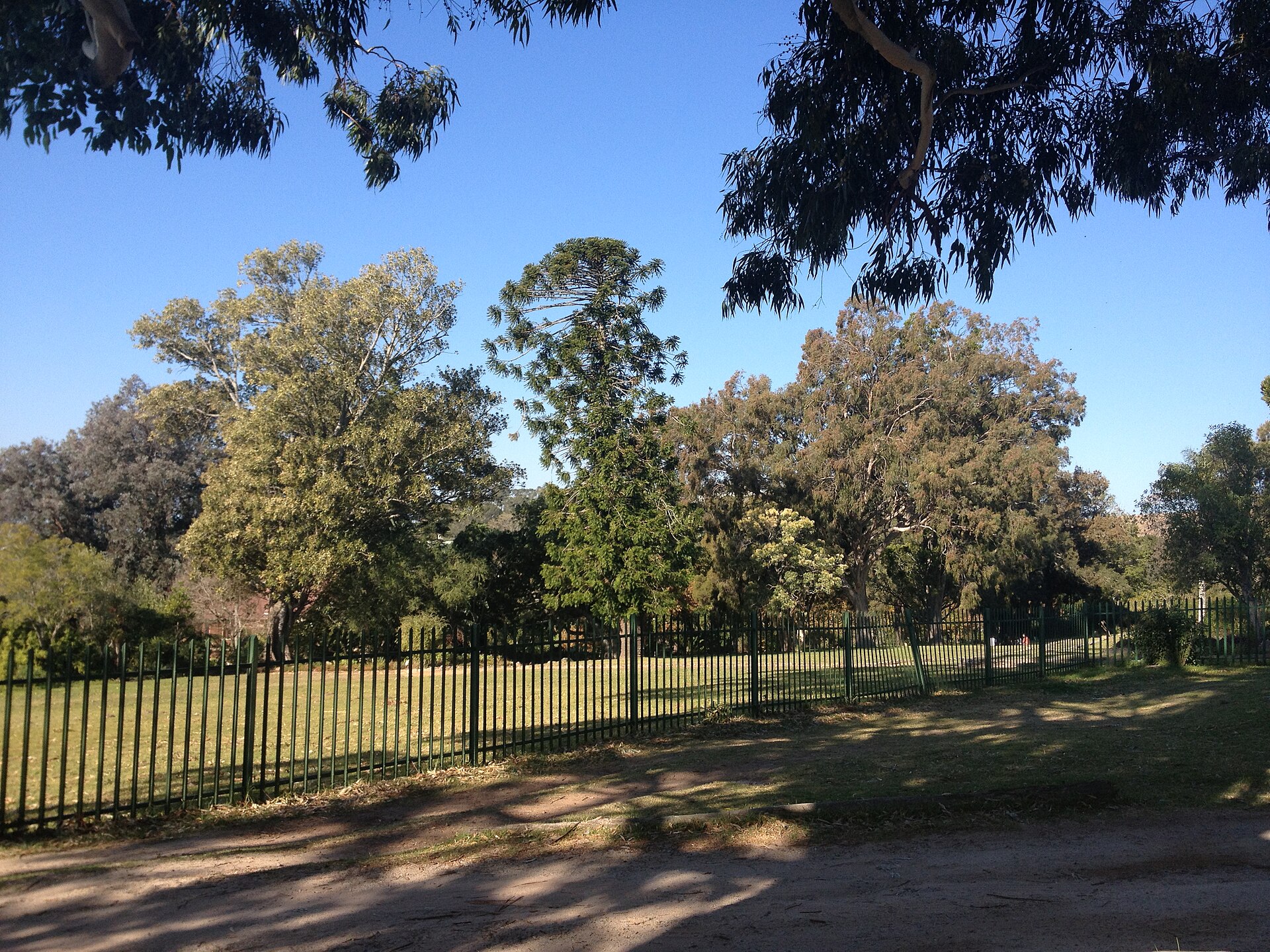
Grahamstown’s Botanical Garden is where time slows—not with fanfare, but with the quiet persistence of nature. On the edge of this university town, it avoids the polished symmetry of public gardens. Instead, it feels like a preserved piece of the Eastern Cape: rolling grassy slopes, hardy shrubs, and trees shaped by dry spells and sudden rains. There are no crowds, no grand entrances, just the sense of stepping into a space that has grown undisturbed.
The garden is small, which is part of its appeal. It doesn’t overwhelm with vast lawns or glasshouses. It invites you to wander, to notice how sunlight filters through wild olive leaves or how the wind carries the scent of sagebrush. You might sit on a bench longer than planned, listening to the rustle of grass and the call of a bird.
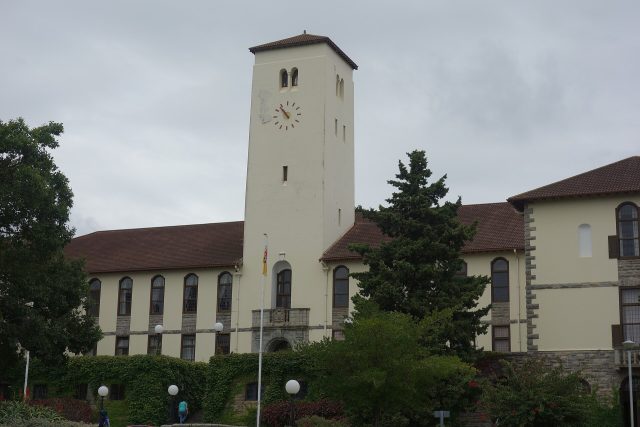
Its history is tied to Grahamstown’s past as a colonial outpost. In the mid-1800s, the garden began as a nursery for plants with agricultural potential. Later, its purpose shifted to scientific study. Today, it operates under Rhodes University as a living archive of the region’s flora. Many species here are endemic to the Eastern Cape, found nowhere else. The garden helps conserve them against habitat destruction and climate shifts.
The landscape changes as you move. Near the stream, the air is cooler, with ferns and reeds in the shade. Higher up, the terrain is drier, with tough grasses and low shrubs clinging to rocky slopes. The succulent garden is striking—aloes and crassulas stand like sculptures, their thick leaves storing water. Some bloom in vivid orange or yellow against the muted greens and browns.
The garden’s architecture is unassuming. Old stone walls sit alongside modern greenhouses where rare plants are cultivated. One greenhouse holds species that wouldn’t survive the local climate, offering a glimpse of plant diversity beyond the Eastern Cape. A small pond reflects the sky, disturbed only by ducks or a frog’s leap. It’s a quiet spot where the heat feels less oppressive.
The garden is also a research site. Students and scientists study how local plants adapt to changing weather and their ecological relationships. Occasionally, guided walks explain the traditional uses of plants—how some were brewed into medicines by the Xhosa people or provided food in scarcity. These stories connect the garden’s beauty to the region’s cultural history.
What makes the garden special? No grand fountains or landscaped vistas. Just nature as it is. You can bring a book and spend an afternoon on a bench. Or let children explore the paths, watching bees move between flowers. It’s a reminder that beauty isn’t always obvious—sometimes it’s in how a plant bends toward the light or how the wind carries the scent of earth after rain.
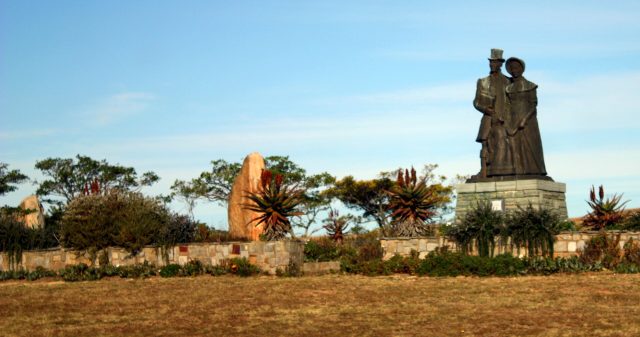
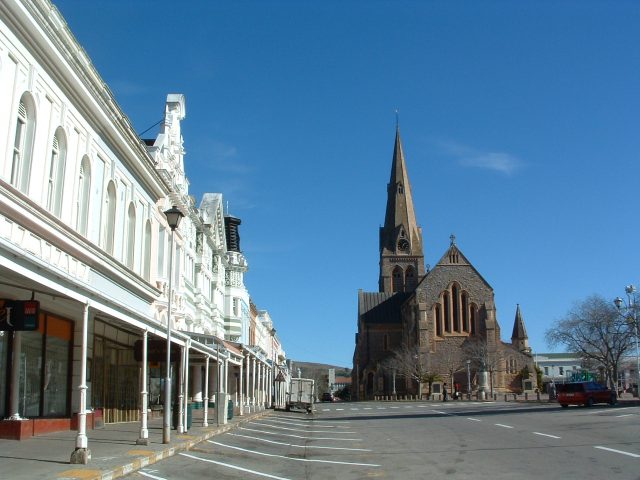
Grahamstown is a town of contrasts: university energy meets colonial history. The botanical garden is one of its quieter treasures. It doesn’t demand attention but rewards those who seek it. Not every tourist itinerary includes it, but for those who appreciate the unhurried rhythm of nature and history, it offers stillness. Here, the Eastern Cape isn’t just a backdrop—it’s a living landscape.