The Botanical Garden of Delft University of Technology
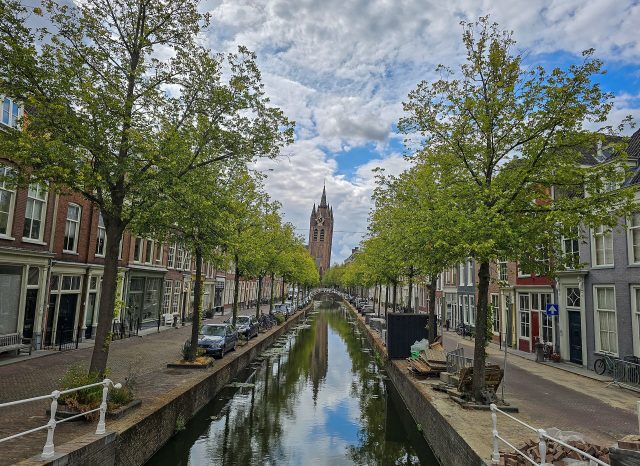
Some places don’t ask for your attention but stay with you long after. The botanical garden of Delft University of Technology is one of them. It hides between narrow canals and historic buildings, where old brick meets modern glass without fuss. No crowds, no tourist traps—just leaves rustling and the sense that time slows here.
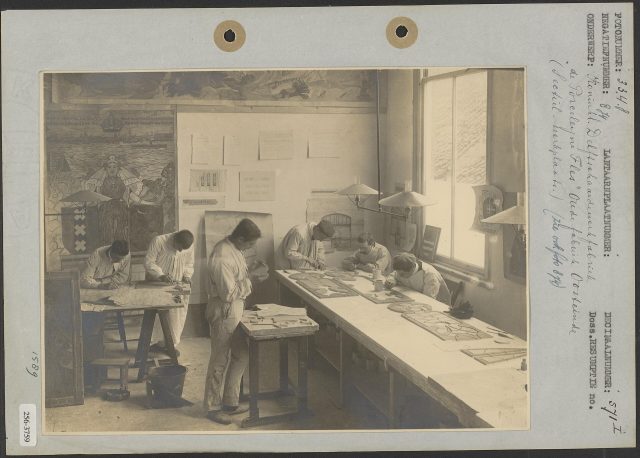
Founded in the early 20th century, the garden started as a practical space for botany and engineering students. The university, one of the Netherlands’ oldest technical institutions, needed a living laboratory. Students observed plants, ran experiments, and made discoveries. Many specimens arrived from colonial expeditions or scientific exchanges. Some are still used for teaching, but the garden has grown beyond its original purpose.
The design is simple. No grand glasshouses, no ornate paths—just metal-framed greenhouses, some from the 1900s, and winding trails between plants. The focus was always function: irrigation, lighting, growing conditions. Yet that simplicity has its own charm. The garden seems more interested in being useful than in impressing visitors.
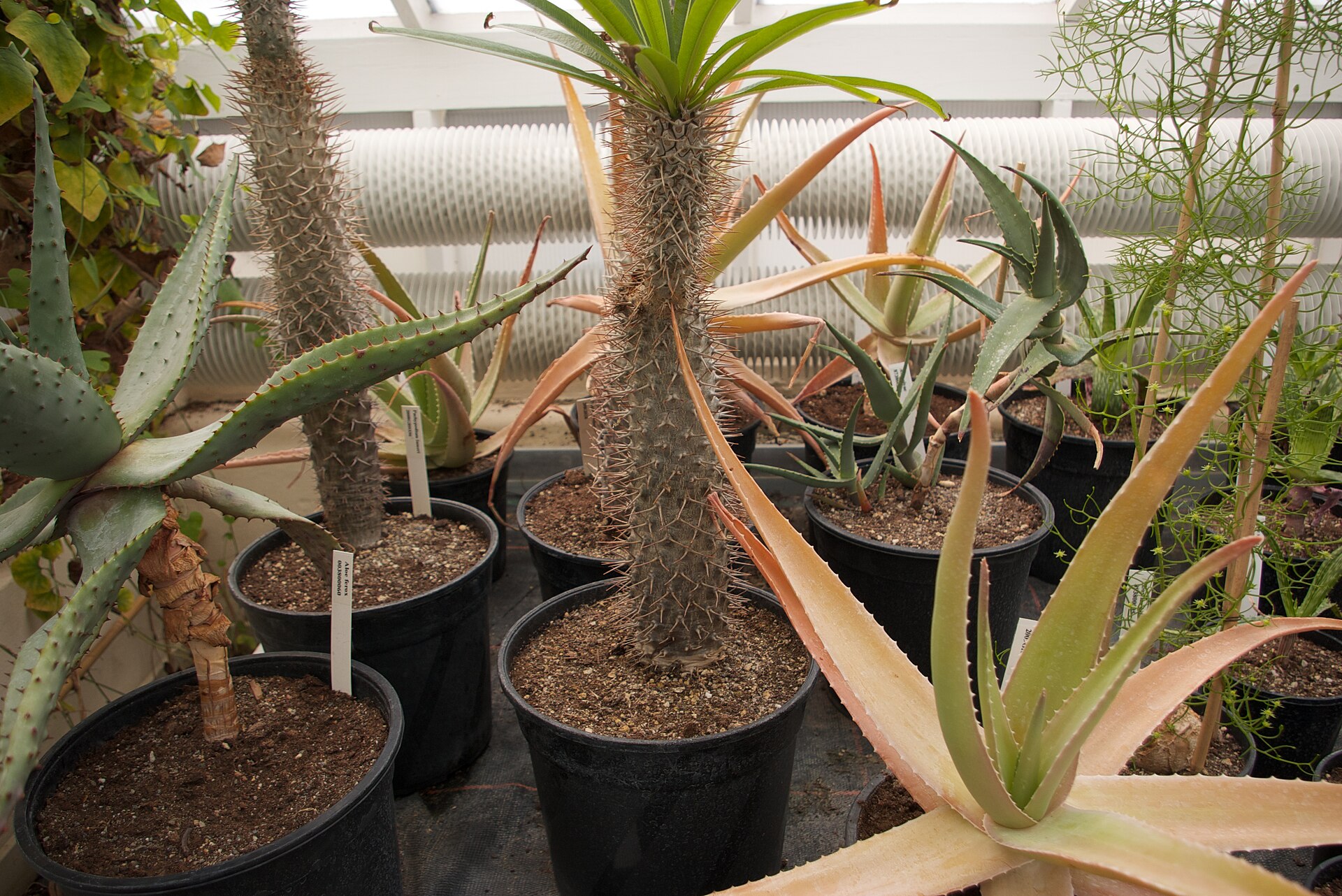
You won’t find showy displays here. Instead, the collection holds plants with scientific or industrial value. Tropical vines, desert succulents, aquatic species with unusual adaptations—many rare in public gardens. Some were studied for medicine, others for industry: rubber, cotton, dyes. In summer, magnolias and rhododendrons bloom, while water lilies float on small ponds. Even in winter, the greenhouses hum with warmth, exotic species thriving under glass.
It doesn’t feel like a museum. No signs say “keep off.” You can wander, sit by the ponds, or watch light filter through leaves. In warmer months, students picnic here, families come for a bit of nature without leaving the city. Sometimes there are small exhibitions or lectures—less about entertainment, more about curiosity.
Delft blends science and daily life. The university, Royal Delft pottery, historic churches—all tell a story of innovation and tradition. The botanical garden fits right in. It doesn’t dazzle. Instead, it offers a quiet connection to nature, to the university’s history, to the idea that knowledge isn’t confined to classrooms. Here, learning feels effortless.
No admission fee. No schedule. No guided tours. Just an open invitation to explore. Summer evenings are lovely, the sun casting gold on the water, air thick with flower scents. Winter turns it into a peaceful retreat, a place to escape city noise. Whether you come for rare plants or just to pass time, the garden makes you feel at ease.
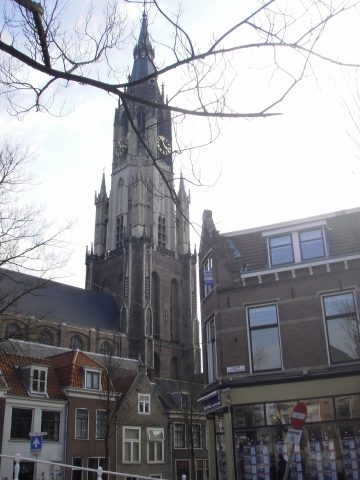
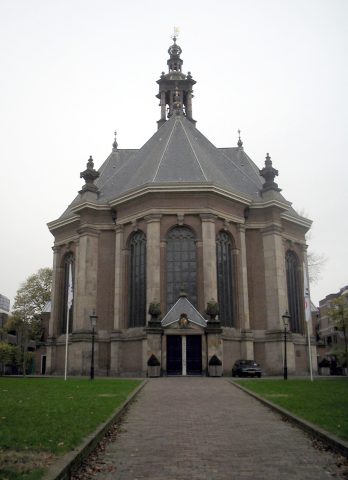
Delft has the Vermeer Center, Nieuwe Kerk, canals lined with gabled houses. But the botanical garden is the place you return to. Maybe because it doesn’t try to be more than it is. No monuments, no dramatic stories. Just plants, silence, and the chance to notice what we usually overlook. In a city of history and innovation, the garden offers something simpler: quiet beauty, if you take the time to look.