Mengo Hospital stands as one of Uganda’s oldest medical institutions, its story woven into the fabric of the nation’s development. Founded in the late 19th century, it was the first modern hospital in what was then a British protectorate, marking a turning point in regional healthcare. Originally established as a missionary project, it quickly evolved into a vital medical hub, serving both local communities and European settlers. Over time, Mengo became a symbol of medical progress in East Africa, its walls holding memories of an era when modern medicine was just taking root in the region.
The architecture of Mengo Hospital reflects the practical needs of its time, blending colonial design with functionality. The low stone buildings feature wide verandas, high ceilings, and large windows—classic elements of structures built to withstand Uganda’s heat. Inside, the original wooden floors, heavy doors, and old staircases evoke the early days when European doctors first arrived to work here. While newer wings have been added, the historic core remains intact, still in use and recognizable to those familiar with its past.
Mengo played a crucial role in combating the epidemics that swept through Uganda in the early 20th century. It became a frontline facility in the fight against sleeping sickness, malaria, and other tropical diseases that afflicted both locals and colonizers. The hospital was also a place where European and African medical professionals began collaborating on equal footing, sharing knowledge that would later shape Uganda’s healthcare system. This early cooperation laid the groundwork for what would become one of the more advanced medical networks in the region.
Today, Mengo Hospital is more than just a treatment center—it’s an educational institution where the next generation of healthcare workers trains. Medical students complete their practical rotations here, learning from experienced doctors who pass down decades of expertise. While the hospital has modernized with updated equipment, it retains a sense of its historical roots. Patients who come here understand they’re entering a place where medicine is practiced with a deep respect for tradition.
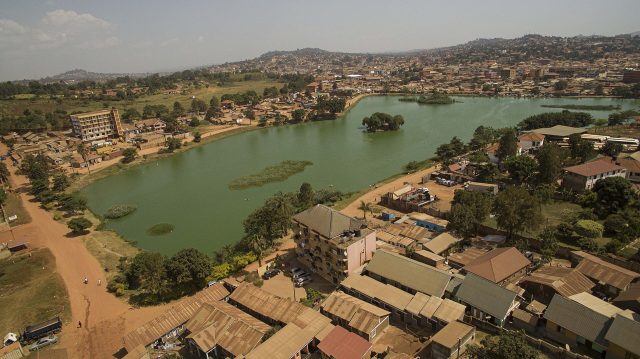
The area surrounding Mengo Hospital is a quiet, unassuming part of Kampala, where daily life unfolds without the gloss of tourism. Narrow streets lined with modest buildings lead to local markets and small shops selling everything from fresh produce to traditional remedies. For many in the community, Mengo isn’t just a hospital—it’s a place tied to personal and family histories, where generations have been born, treated, and cared for.
Like much of Uganda’s healthcare system, Mengo faces ongoing challenges. Funding shortages, overcrowding, and the need for modernization are constant concerns. Yet it remains one of the country’s most trusted medical facilities, drawing patients from across Uganda. The hospital handles everything from routine care to complex cases requiring specialized expertise, maintaining its reputation as a pillar of the nation’s health services.
Visiting Mengo Hospital offers a glimpse into Uganda’s medical history and the struggles that shaped its healthcare system. It’s a place where past and present coexist, where every corner holds stories of the people who worked and healed within its walls. For those curious about how medicine evolved in East Africa—or simply looking to see Uganda from a different perspective—Mengo provides a unique window into the country’s heritage.
Unlike typical tourist attractions, Mengo doesn’t offer guided tours or exhibits. There’s no grand entrance or curated displays, just the quiet hum of a working hospital. Walking through its grounds, it’s easy to imagine the scenes of a century ago: doctors tending to patients, local communities encountering modern medicine for the first time, and the slow but steady progress of healthcare in the region. Mengo isn’t just a hospital—it’s a living monument to resilience, still serving the people it was built to help.