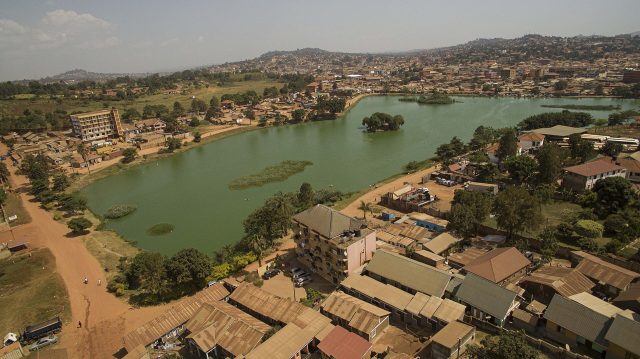
Lubaga Market is one of those places in Kampala where the city reveals itself without pretense. There are no polished tourist displays here, just the raw pulse of daily life—the scent of spices and grilled meat, the hum of voices switching between Luganda and English, fabrics draped over stalls, and the constant negotiation between buyers and sellers, as if the next meal depends on it. This isn’t just a marketplace; it’s a living ecosystem where tradition, commerce, and the everyday life of locals intertwine.
The Lubaga district, perched on the hills west of central Kampala, has long been a place of significance. Historically, it was a power center for the Baganda people, home to the kabaka’s palace—the seat of the Buganda kingdom. Later, with the arrival of colonial rule, it became one of the first strongholds of Catholicism in Uganda. The market grew from this layered history, serving the royal court, the expanding local population, and the pilgrims drawn to St. Mary’s Cathedral. Today, the echoes of that past are faint, but the market remains a crossroads where different worlds meet.
The architecture here is open-air pavilions with corrugated metal roofs, stalls crammed together under makeshift awnings, and narrow pathways where two people can barely squeeze past each other. Inside, piles of vegetables and fruits spill from wooden crates, meat hangs from hooks under shaded areas, and spices are sold in plastic bags, their sharp aromas cutting through the air. There are no air conditioners or glass displays, just the essentials for trade—functional and unadorned.
Mornings at Lubaga Market start early.
By six, farmers unload fresh produce from nearby fields, wholesalers haul sacks of grain, and vendors arrange their goods. By nine, families stock up on weekly supplies, street cooks fry flatbreads and brew tea in plain sight, and children dart between stalls, helping their parents carry baskets. By midday, the pace slows as traders retreat under the shade, sipping cold drinks and exchanging stories.
The market offers nearly everything needed for daily life. Fresh vegetables—eggplants, tomatoes, spinach, cassava—sit alongside fruits like passionfruit and jackfruit. The meat section sells beef, goat, and occasionally game, though it’s best bought in the morning. Fish from Lake Victoria is sold fresh or dried. Then there are the spice stalls, where you can find curry blends and local herbs used in Baganda cuisine.
But Lubaga Market isn’t just about food. You’ll find clothing, shoes, household goods, mobile phones, and used car parts. In one corner, cobblers mend shoes while tailors stitch custom outfits. Small cafés serve tea and matoke—steamed green bananas—offering a place to rest.
For visitors, the market can feel overwhelming. There are no neatly marked paths or English signs. If you’re lucky, you might find hand-carved wooden figurines, patterned fabrics, or beaded jewelry. But the real takeaway is the sensory experience: the sounds, the smells, the unguarded smiles of vendors.
Lubaga Market isn’t for those seeking comfort. It’s messy and loud, but that’s what makes it real. This is Uganda without filters—a place where life unfolds as it is. If you ever find yourself in Kampala, spend an hour here. You’ll feel the city’s rhythm in a way no guidebook can describe.