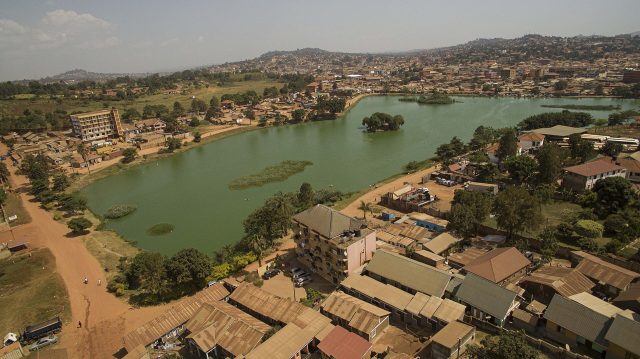
Perched on Lubaga Hill, overlooking the sprawl of Kampala, the Kabaka’s Palace at Lubaga is one of those rare places where the past doesn’t just linger—it breathes. For centuries, this site has been the heart of Buganda’s monarchy, a kingdom that once stood as one of the most powerful and organized in East Africa. The palace isn’t merely a relic; it’s a living testament to the resilience of tradition in a country that has seen kingdoms rise, fall, and adapt to the forces of colonialism, independence, and modernity. To walk through its halls is to step into a narrative that has shaped not just Buganda, but Uganda itself.
The story of Lubaga Palace begins in the late 19th century, when Kabaka Mutesa I sought a new seat of power. The hill was chosen for its strategic advantage—its elevation offered sweeping views of the surrounding landscape, a crucial defense against potential invaders. The earliest structures were modest, built to serve as both a royal residence and a political hub. Here, Mutesa I received foreign envoys, including explorers and missionaries, and held councils with his chiefs, making decisions that would determine the fate of his kingdom. The palace quickly became a symbol of Buganda’s sovereignty, a place where diplomacy and tradition intersected.
Architecturally, the palace reflects the layered history of Buganda. The main building, a sturdy two-story structure with wide verandas and high ceilings, was designed to combat the equatorial heat. Its roof is covered in traditional terracotta tiles, while the walls feature intricately carved wooden panels depicting symbols of royal authority—spears, drums, and the sacred crested crane, Buganda’s emblem. The surrounding gardens, planted with rare trees and plants, were cultivated during Mutesa I’s reign, some of them gifts from foreign dignitaries. The blend of local craftsmanship and European influences, introduced by missionaries and colonial administrators, is subtle but unmistakable, a physical manifestation of the cultural exchanges that defined the era.
The palace’s role evolved under British rule. Though the monarchy’s power was curtailed, Lubaga remained a key site for negotiations between the colonial government and Buganda’s leaders. It was here that agreements were brokered, tensions simmered, and the delicate balance between tradition and colonial authority was tested. After Uganda gained independence in 1962, the palace continued to serve as the kabaka’s residence, but the political landscape was shifting. In 1966, a bitter conflict between Kabaka Mutesa II and Prime Minister Milton Obote led to the palace being stormed by the army. The monarchy was abolished, and the building fell into disuse—until it was later restored as a museum.
Today, the palace functions as a repository of Buganda’s history, its rooms filled with artifacts that tell the story of the kingdom’s rulers. The throne room is perhaps the most striking space, where the kabaka’s chair still sits, a silent witness to centuries of ceremony. Nearby, displays of royal regalia—elaborate headdresses, ceremonial spears, and intricately woven bark cloth—offer a glimpse into the rituals that once defined royal life. Photographs and documents chronicle the reigns of past kabakas, their faces a mix of defiance, dignity, and the weight of leadership. Among the most intriguing exhibits are the gifts presented to the monarchy by foreign visitors, ranging from ornate clocks to modern artworks, each a reminder of Buganda’s place in the wider world.
Yet the palace is more than a museum. It remains a site of living tradition, where the Buganda monarchy, though largely ceremonial today, still holds cultural significance. Coronations of new kabakas are held here, drawing crowds of Baganda who come to honor their heritage. The palace grounds also host other ceremonies, from weddings to cultural festivals, where the old ways are celebrated alongside contemporary Ugandan life. For many locals, Lubaga is a place of pilgrimage, a connection to ancestors and a reminder of the kingdom’s enduring legacy.
Visiting the palace offers a deeper understanding of Buganda’s place in Uganda’s complex identity. The kingdom’s history is one of both resistance and adaptation—resisting colonial rule while absorbing its influences, maintaining traditions while navigating modernity. Standing on Lubaga Hill, with Kampala stretching out below and the distant shimmer of Lake Victoria on the horizon, it’s easy to see why this place has always been more than just a royal residence. It’s a vantage point, both literal and metaphorical, from which to view the past, present, and future of a nation.
What makes Lubaga Palace special is its ability to feel alive. The stories here aren’t confined to plaques or glass cases; they’re in the air, in the way the light filters through the verandas, in the hushed conversations of visitors tracing the footsteps of kings. It’s a place where history isn’t just remembered—it’s felt. For those with an interest in African history, it’s an essential stop, but even the casual visitor will sense the weight of the place. There’s a quiet dignity here, a sense of continuity that transcends the centuries. In a city that’s constantly changing, Lubaga Palace stands as a steadfast reminder of where Uganda—and Buganda—have been, and where they might yet go.