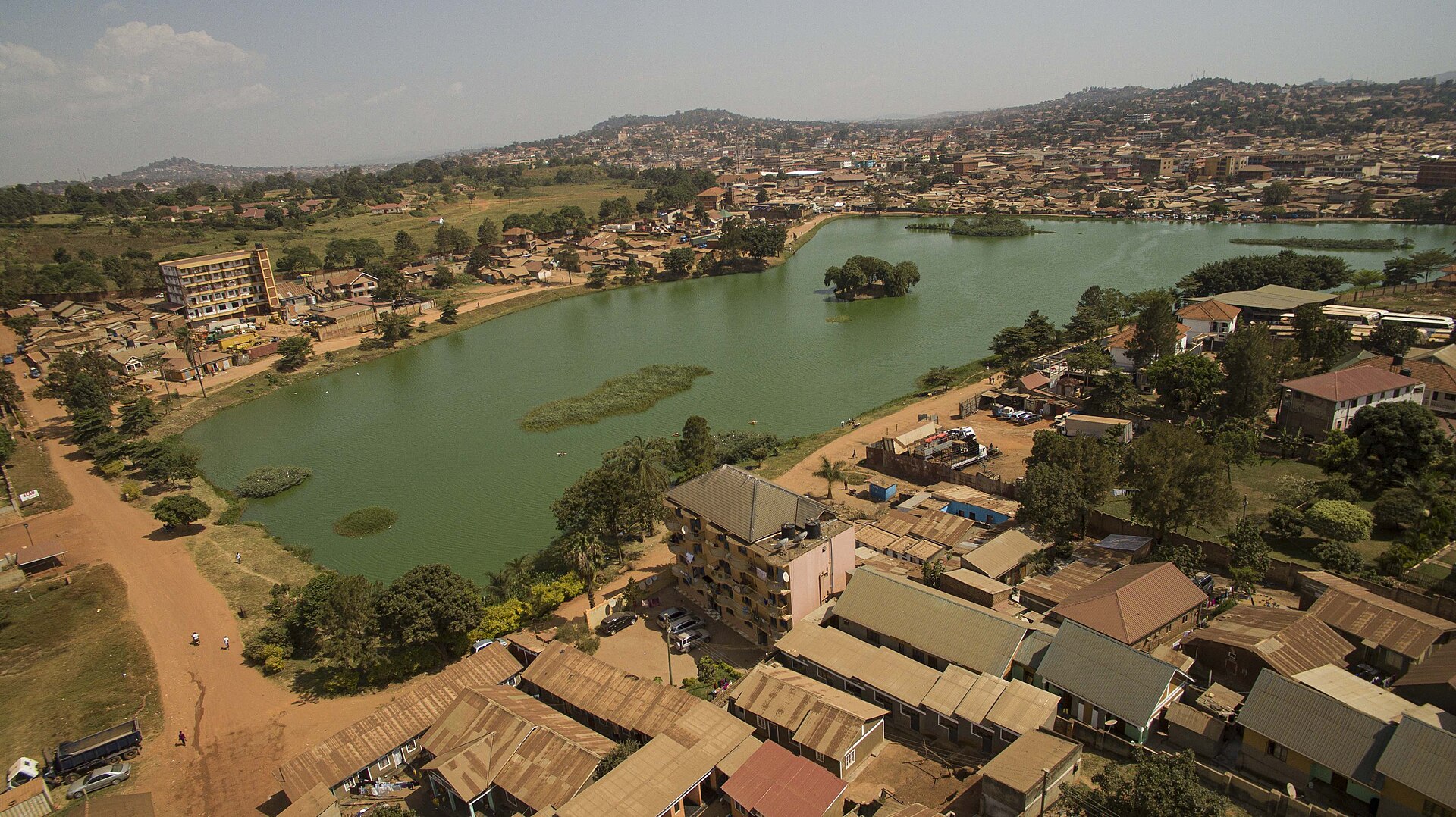
Lubaga Hill is one of those places in Kampala where Uganda’s layered history feels almost tangible. Rising above the city, it stands as a quiet witness to centuries of change, its slopes holding stories of faith, power, and cultural transformation. For many Ugandans, the hill is more than just a landmark—it’s a symbol of identity, where the past and present intersect in ways that still shape the country today.
Long before Kampala became a bustling capital, Lubaga was a center of power in the Kingdom of Buganda. As the seat of the *kabaka*, or king, it played a crucial role in the political and spiritual life of one of East Africa’s most influential pre-colonial states. The hill’s significance deepened in the late 19th century when Kabaka Muteesa I, facing pressure from both British and French missionaries, began engaging with Christianity. While local accounts suggest he embraced the faith here, historians argue his conversion was likely a strategic move—a way to balance competing European interests while maintaining his own authority. Whatever the truth, the decision set in motion events that would reshape Buganda forever.
The arrival of the White Fathers, a French Catholic missionary order, in 1879 marked a turning point. They established a mission on Lubaga, turning the hill into a stronghold of Catholicism in Uganda. The early years were fraught with tension, as the missionaries clashed with traditionalists and even faced resistance from some of Muteesa’s successors. Yet over time, Christianity took root, and Lubaga became the heart of the Catholic Church in the region. The most visible testament to this legacy is St. Mary’s Cathedral, an imposing neo-Gothic structure completed in the early 20th century. Its twin spires dominate the skyline, while inside, sunlight filters through stained-glass windows, casting colorful patterns across the stone floors. The cathedral’s design blends European architectural traditions with local influences, creating a space that feels both grand and intimate.
Adjacent to the cathedral, the archbishop’s residence remains an active religious and administrative hub. Nearby, a cemetery holds the graves of prominent Ugandan Catholics, including the Namugongo martyrs—young converts executed in the 1880s for refusing to renounce their faith. Their story, canonized in 1964, is a cornerstone of Uganda’s Catholic identity. While the main martyrs’ shrine now stands in Namugongo, Lubaga retains its spiritual pull, drawing pilgrims and visitors who come to reflect on the sacrifices made here. The hill’s role in Uganda’s religious history is undeniable, but it’s also a place where the sacred and the everyday coexist.
Beyond its religious significance, Lubaga offers a rare respite from Kampala’s chaos. From its summit, the city sprawls below—a patchwork of modern buildings, bustling markets, and lush greenery, with Lake Victoria glinting on the horizon. The view is especially striking at sunset, when the light softens the urban landscape, turning it into something almost serene. The hill itself is a mix of quiet corners and lively activity. On weekdays, the paths are filled with schoolchildren in uniforms, vendors selling fresh fruit, and worshippers hurrying to morning mass. Weekends bring families picnicking on the grassy slopes, tourists snapping photos of the cathedral, and locals simply enjoying the cooler air. Yet even amid this hum of life, there’s a sense of stillness—a reminder that this place has seen empires rise and fall.
For those curious about Buganda’s monarchy, a small museum near the cathedral offers a glimpse into the kingdom’s past. Housed in a former royal palace, it displays artifacts like traditional clothing, weapons, and photographs of past *kabakas*. The exhibits are modest, but they hint at the complexity of Buganda’s governance—a system that once rivaled European courts in its sophistication. The museum also underscores how much of the kingdom’s history remains inaccessible. Many records were lost during colonial rule or the turbulent years that followed, and some artifacts are held in private collections, leaving gaps in the narrative. Still, the museum serves as a starting point for understanding how deeply Buganda’s legacy is woven into modern Uganda.
What makes Lubaga special is its ability to feel both timeless and alive. It’s a place where history isn’t confined to plaques or exhibits but spills into the present. The cathedral’s bells echo across the hill, mixing with the sounds of children playing and the occasional call to prayer from a nearby mosque. The air carries the scent of eucalyptus trees and damp earth, a contrast to the exhaust fumes and dust of the city below. Even the way people move here—slowly, deliberately—suggests a connection to something larger than themselves. It’s as if the weight of the past lingers in the very soil, inviting visitors to pause and consider the forces that have shaped this land.
For travelers interested in Uganda’s history, Lubaga is essential. It offers a window into the country’s evolution, from pre-colonial kingdoms to colonial rule and independence. The hill reminds us that Uganda’s story isn’t just about wildlife and safaris—it’s also about the interplay of cultures, religions, and political systems that have defined the nation. Yet Lubaga isn’t a relic; it’s a living place, where history is still being written. The conversations overheard in its courtyards, the prayers whispered in its cathedral, and the laughter of children running up its slopes all contribute to its ongoing narrative.
Visiting Lubaga is straightforward. The hill is easily accessible by foot or public transport, though the climb can be steep in places. There’s no formal entry fee for the cathedral or museum, though donations are welcome, and a small charge may apply for photography inside the church. Mornings are ideal for a visit, when the light is soft and the heat less intense. If you’re lucky, you might catch a choir rehearsal or a service—the music here has a particular resonance, amplified by the cathedral’s acoustics. Even if you’re not religious, the atmosphere is worth experiencing.
Ultimately, Lubaga is more than a tourist site. It’s a place where Uganda’s past and present converge, where every stone and tree seems to hold a story. Some of those stories are well-documented; others are lost to time or known only to those who call this place home. But standing on the hill, looking out over Kampala, it’s impossible not to feel the weight of history—and the quiet resilience of a place that has endured so much. Whether you come for the architecture, the views, or the sense of connection to something greater, Lubaga leaves an impression that lingers long after you’ve descended its slopes.