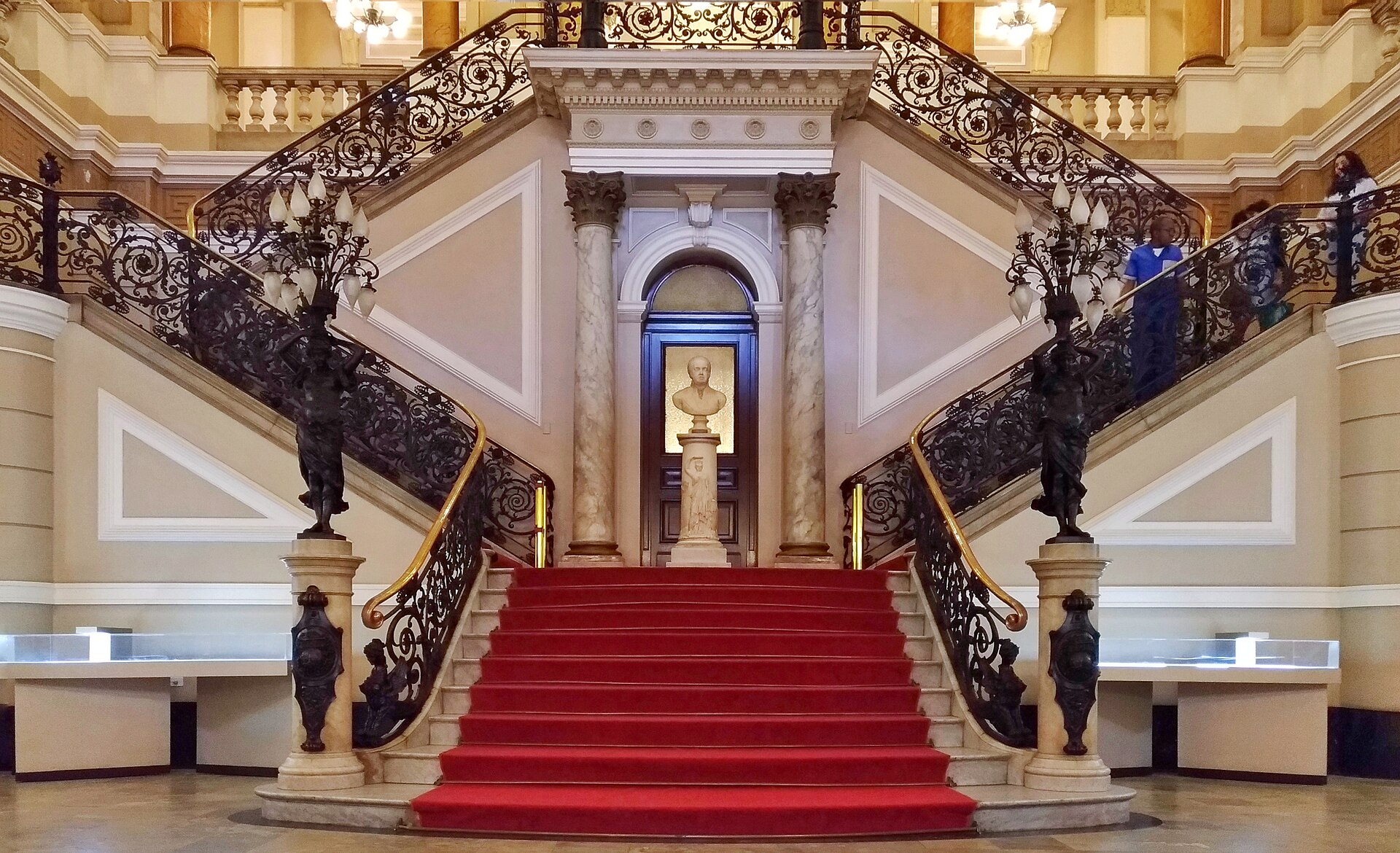
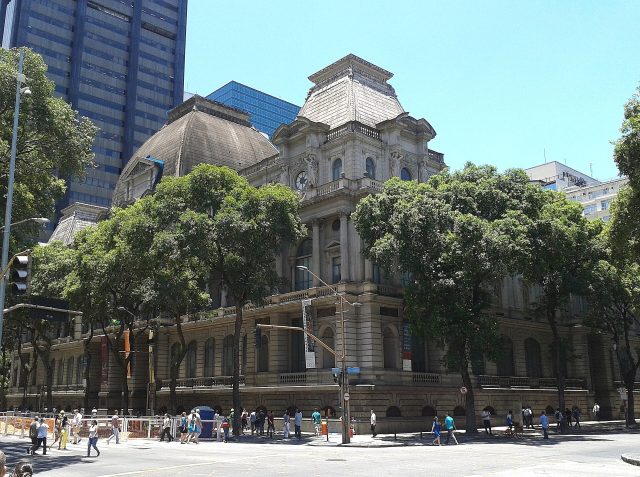
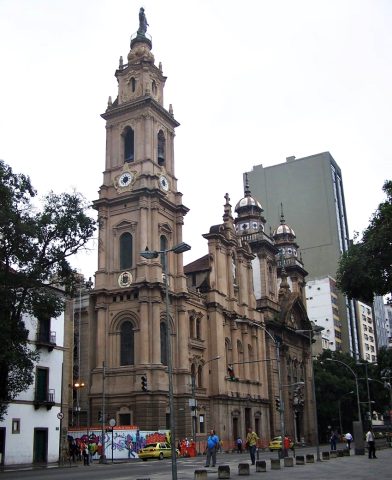
The National Library of Brazil is one of those rare places in Rio de Janeiro where time seems to slow down, allowing you to step into a world of quiet reflection. Nestled in the heart of the city’s historic downtown, it’s more than just a repository of books—it’s a living monument to the country’s intellectual and cultural evolution. The building itself, constructed in the early 20th century, commands attention with its grand architecture. Towering ceilings, sturdy columns, and vast halls create an atmosphere of dignity and grace, inviting visitors to linger rather than rush through.
The library’s story begins long before its current home took shape. Its origins trace back to the 19th century, when Brazil was still carving out its identity as an independent nation. Books were scarce then, and access to knowledge was a privilege reserved for the few. Over time, the collection grew, and by the turn of the 20th century, it became clear that a proper home was needed. The result was the neoclassical building we see today, designed to embody the ideals of progress and enlightenment that defined the young republic.
Today, the library holds over nine million items, ranging from rare manuscripts to contemporary publications. Among its treasures are some of the first books ever printed in Brazil, as well as unique documents that chronicle the nation’s history. The Brazilian literature collection is particularly noteworthy, featuring works by literary giants like Machado de Assis and Jorge Amado. But the library’s scope extends far beyond Brazil—its shelves hold books in dozens of languages, reflecting the diversity of global culture.
The architecture of the building is a marvel in its own right. The main reading room is a breathtaking space, flooded with natural light from its high windows. Wooden shelves, staircases, and galleries evoke the charm of an old European library, yet there’s an unmistakably Brazilian warmth to the place. Inside, the silence is almost palpable, broken only by the occasional rustle of pages or the soft footsteps of visitors. It’s easy to forget that just beyond its walls, one of Latin America’s most vibrant cities pulses with energy.
While the library is a haven for scholars and researchers, it welcomes anyone with a curiosity for knowledge or a love of quiet contemplation. In recent years, it has expanded its role as a cultural hub, hosting exhibitions, lectures, and events that draw new audiences. Temporary displays on Brazilian history, literature, and art bring the space to life, making it more accessible and engaging for the general public.
Despite its scholarly reputation, the library feels anything but intimidating. It’s a surprisingly welcoming place, where visitors can sip coffee in the foyer, browse through magazines, or relax on comfortable sofas while watching the steady flow of people. Students working on theses, tourists snapping photos of the interiors, and locals picking up their next read all find something to appreciate here. Each person seems to carve out their own experience within its walls.
Just outside, the surrounding square buzzes with activity—street musicians, artists, and vendors create a lively contrast to the library’s serene interior. After a visit, it’s pleasant to wander through the neighborhood, stopping by small cafés or browsing the stalls of old bookshops. Downtown Rio is like an open-air museum, and the library stands as one of its most cherished landmarks.
In an age where screens often replace printed pages, the National Library of Brazil remains a sanctuary for those who still believe in the power of books. It’s a place where reading isn’t just about consuming information but about immersing yourself in an experience. Whether you spend hours lost in a novel or simply soak in the atmosphere, the library offers a reminder of a time when books were more than objects—they were gateways to other worlds. For many, a visit here becomes a small ritual, a return to the roots of what it means to truly engage with knowledge.