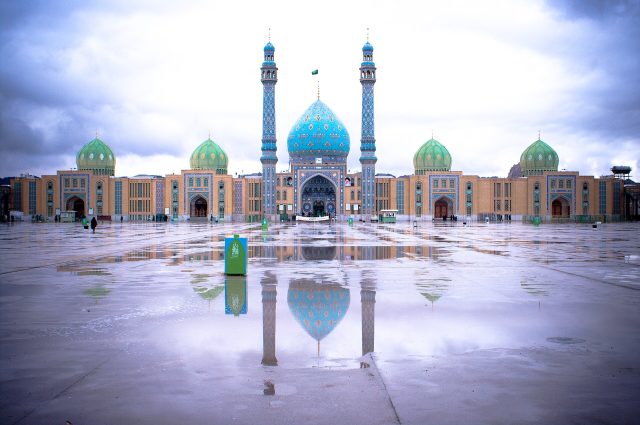
Lake Kum, known as Qom, is a city where time moves differently. It’s not a place for markets or palaces, though Tehran and Isfahan are nearby. Qom follows a rhythm set by the shrine of Fatima Masumeh, one of Shi’a Islam’s most revered figures. Within this complex, the Astan Quds Razavi Library stands as a bridge between the past and the present.
The library is part of the shrine, growing alongside it over centuries. The building’s architecture shows this connection. Its high vaulted ceilings have tilework, patterns that shift in the light from stained-glass windows. The space fits the shrine, its design harmonious. Inside, the halls are spacious. The air carries the scent of aged paper and wood, and the quiet hum of turning pages fills the room.
The collection is vast. Religious texts form the core, but there are also manuscripts on medicine, astronomy, and philosophy. Some date back to the Middle Ages. These books were copied by hand, illuminated with miniatures, and passed down through generations. For scholars, the library holds works found nowhere else. For others, handling these volumes connects them to the countless readers before them.
The library is alive. It’s not frozen in time. Students from the nearby seminary study original texts here. Elderly visitors sit in corners, reciting the Quran or reading well-worn pages. Lectures and seminars draw theologians and researchers from across the world. For pilgrims, the library explains why Qom matters, why its history is still unfolding.
Qom is shaped by devotion. Unlike Tehran or Isfahan, it moves slowly. The streets lead to the shrine, the bazaars sell prayer beads and calligraphy, and the air smells of incense. The library fits into this world but feels like its own sanctuary. You can sit at a wooden table, open a book, and stay as long as you like.
The library is open to visitors, though some collections are restricted. No permissions are needed—just respect. This isn’t a place for loud conversations. The rules preserve the atmosphere, the sense of stepping into something sacred. It’s not a tourist attraction, but if you want to understand Qom, spend time here.
Stories say some manuscripts once belonged to Imam Reza, the eighth Shi’a imam. Whether true or not, the idea lingers. In Qom, history and faith intertwine. The past isn’t distant; it’s something you can almost touch.
The Astan Quds Razavi Library isn’t a place to rush through. It demands patience. There are no flashy exhibits, nothing designed to entertain. Instead, there’s a chance to feel connected to something larger. That’s why people return—not for the architecture or artifacts, but for the quiet certainty that here, the past endures.