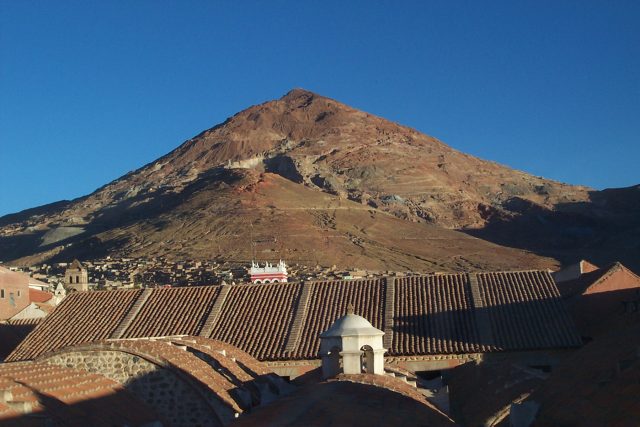
From a hillside above Potosí, the Basilica of Our Lady of Peace overlooks the city. Built in the 1600s, it rises above red-tiled roofs that once belonged to a place shaping the world’s economy. Potosí, over 4,000 meters high, was among the richest cities on earth, its wealth dug from the silver mines of Cerro Rico. The basilica holds stories of faith, labor, and the pursuit of wealth.
The façade is pale stone, its European Baroque style adapted to the harsh climate. Columns stand without ornament, and reliefs show muted scenes. Inside, the space is vast and cool, the air thick with centuries. The main altar glows with gold and silver—metal mined from the mountain outside. You see the connection between the earth’s riches and the devotion that built this place.
Potosí grew fast and violently. Founded in the 1500s after silver was found at Cerro Rico, it became one of the largest cities in the Spanish colonial empire. The basilica was built to thank God for that wealth and to shelter miners who risked their lives underground. The Virgin Mary, called Our Lady of Peace, became their protector. The church was a promise: a place where suffering might find meaning.
Colonial Potosí was full of contrasts. Spanish nobles lived in grand houses filled with imported goods. Indigenous workers and African slaves died in the mines from exhaustion and disease. The basilica stood at the center, its doors open to both. Today, stained glass filters dim light, and the scent of wax and old wood lingers. Side chapels hold statues—some from Spain, some carved locally—each one part of the city’s blended cultures.
The basilica is still used for worship. On feast days, choirs and organs fill the nave. Locals light candles and pray to Our Lady of Peace. Pilgrims come too, drawn by the same faith that kept miners alive. The Virgin’s image, calm and watchful, seems to hold the city’s history in her gaze.
Potosí is no longer wealthy. The silver from Cerro Rico is gone, and the city shows its decline. But the basilica remains, a reminder of when Potosí drove global trade. Walking inside feels like stepping into another time—when empires measured wealth in ingots and the prayers of those who dug them.
The altitude here is unforgiving.
Miners climbed Cerro Rico with burning lungs, and the basilica’s towers offered them something to hold onto. The church isn’t just a monument. It’s part of the city’s identity, still shaping it today.
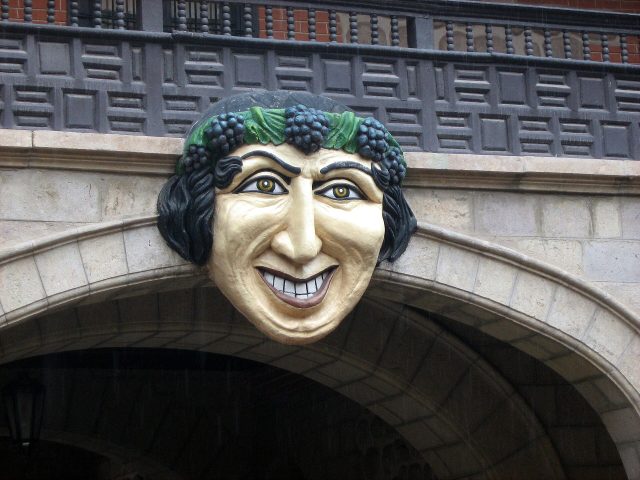
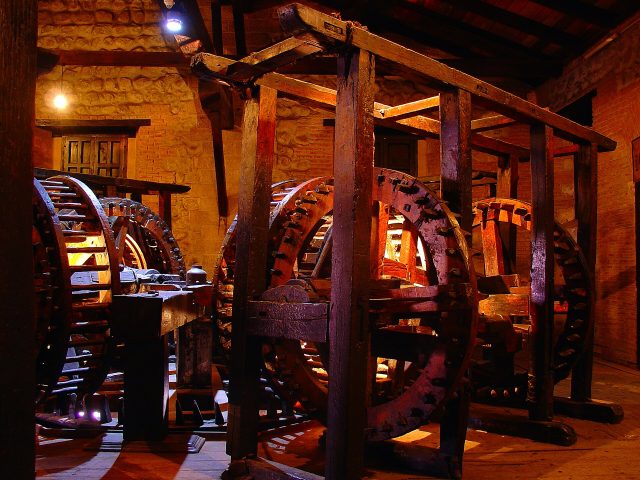
Visit the basilica, and you see Potosí clearly. The old center has narrow streets and colonial buildings. Houses with carved balconies and heavy doors open into quiet patios. Nearby, the mint where Spain struck silver coins still stands. It’s a direct link to when Potosí’s wealth traveled the world.
Beyond the city, the Altiplano stretches out—salt flats, lakes, volcanoes. This harsh land gave rise to one of colonial America’s most extraordinary cities. The Basilica of Our Lady of Peace is one piece of that legacy. Here, the past isn’t just remembered. It’s still present.