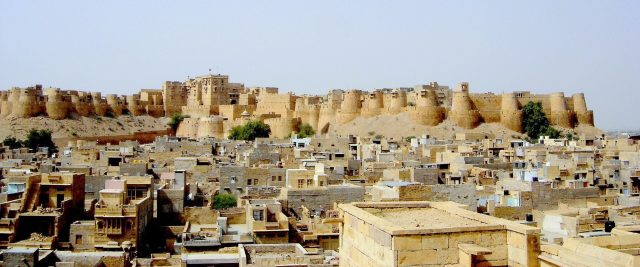
Jaisalmer’s golden sandstone walls rise from the desert like a mirage. But the city’s soul isn’t in its fort or palaces—it’s in the narrow lanes of Manek Chowk, where the past isn’t preserved behind glass but lived every day.
This isn’t just a market. It’s a neighborhood that sprawls at the foot of Jaisalmer Fort, named after the Manek clan who once ruled here. Centuries ago, caravans loaded with silk, spices, and gemstones stopped in these lanes, while artisans supplied goods bound for Delhi, Lahore, or Samarkand. Today, the same streets sell handcrafted textiles, silver jewelry, leather bags, and wooden souvenirs painted with traditional motifs.
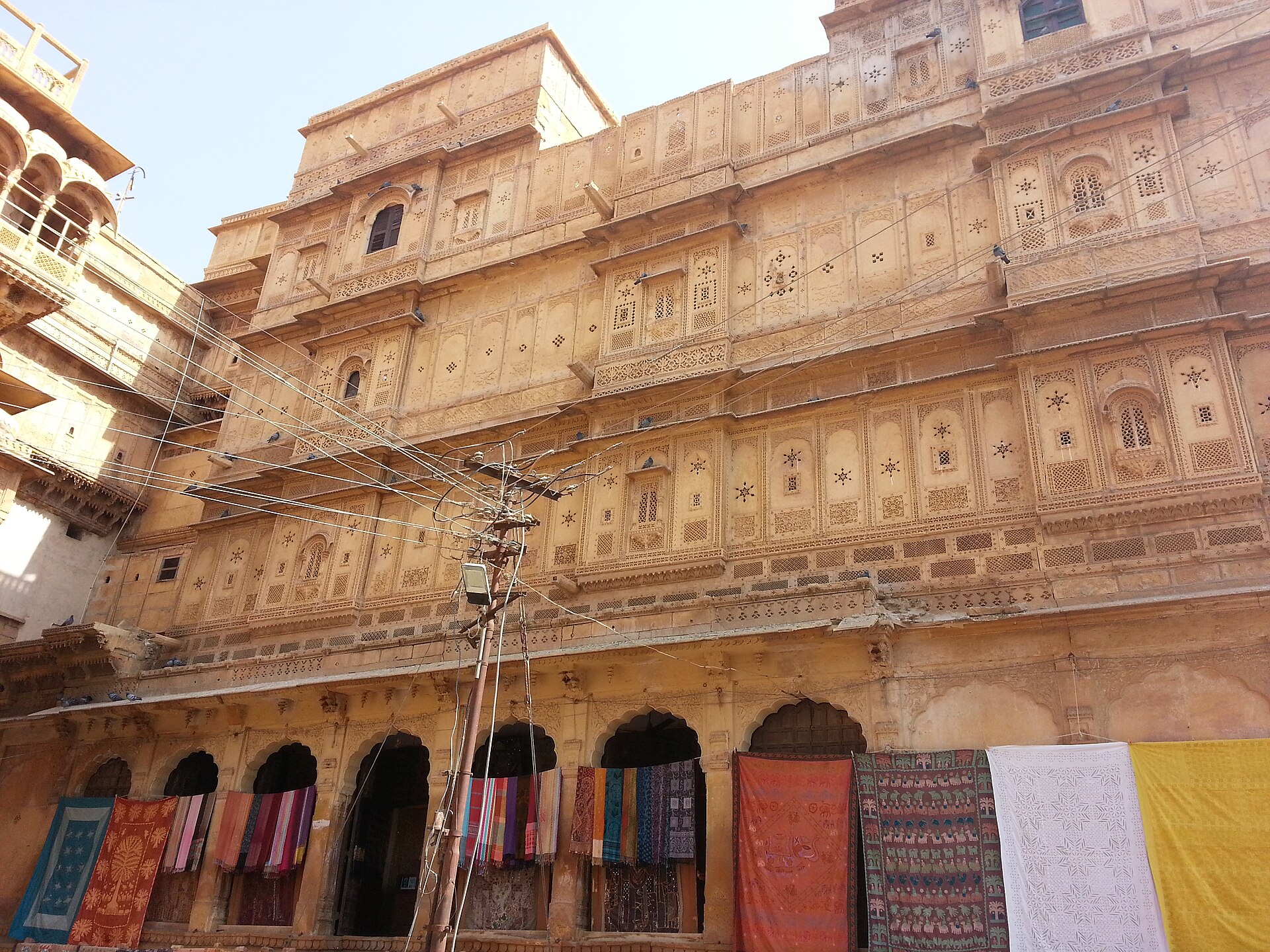
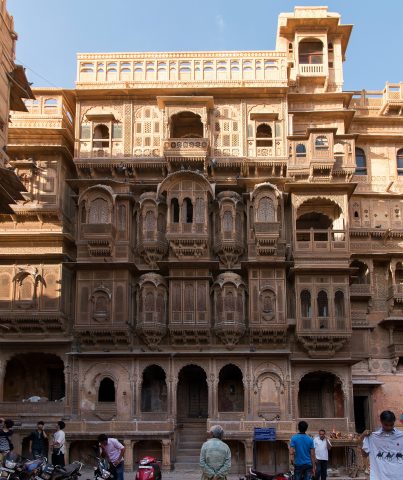
The lanes are so narrow that two people can barely pass. Overhead, balconies jut out, their facades lined with carved *jali* screens—lattice windows designed to let women observe the street unseen. At midday, the bazaar is dim and cool, a refuge from the desert sun. By evening, oil lamps flicker, shadows stretch, and the air fills with the scent of roasted chickpeas and sandalwood.
The main street leads to Gopa Gate, one of the fort’s entrances. Along the way, workshops reveal artisans at work: a silversmith hammering bracelets, weavers creating fabrics with patterns passed down through generations. Leatherworkers stitch shoes, bags, and traditional water skins—once essential for desert travel. The mingling scents of leather, dyes, and woodsmoke cling to your clothes.
Mornings are busy. Vendors set up stalls, women buy fresh produce, children play on cobblestones. By noon, the heat drives people indoors, leaving the streets quiet. But as the sun dips, the bazaar stirs again. Locals gather at tea stalls, sipping *masala chai*, while tourists wander the lanes. The sounds of Hindi, Rajasthani, English, and other languages blend together—Jaisalmer has always drawn those seeking something real.
The people make this place. Many are descendants of artisans whose families have lived here for centuries. They’ll show you old photographs, tools used by their ancestors, or frescoes in their inner courtyards depicting gods and scenes from the *Mahabharata*. If you’re lucky, you might arrive during a wedding or festival, when the neighborhood is draped in flowers and music spills from open doorways.
There are no aggressive touts here. Vendors understand that people come for the experience as much as the goods. They’ll chat over tea, share stories about their craft, or let you watch them work. Tourism hasn’t erased the culture—it’s become part of it.
How long should you stay? A few hours, if you’re just passing through. A day, if you want to linger in workshops, watch artisans at work, or simply sit and absorb the rhythm of the place.
The bazaar stays with you. The labyrinthine streets, the scent of spices, the way the light falls on sandstone at dusk—it feels like stepping into a story that hasn’t ended.