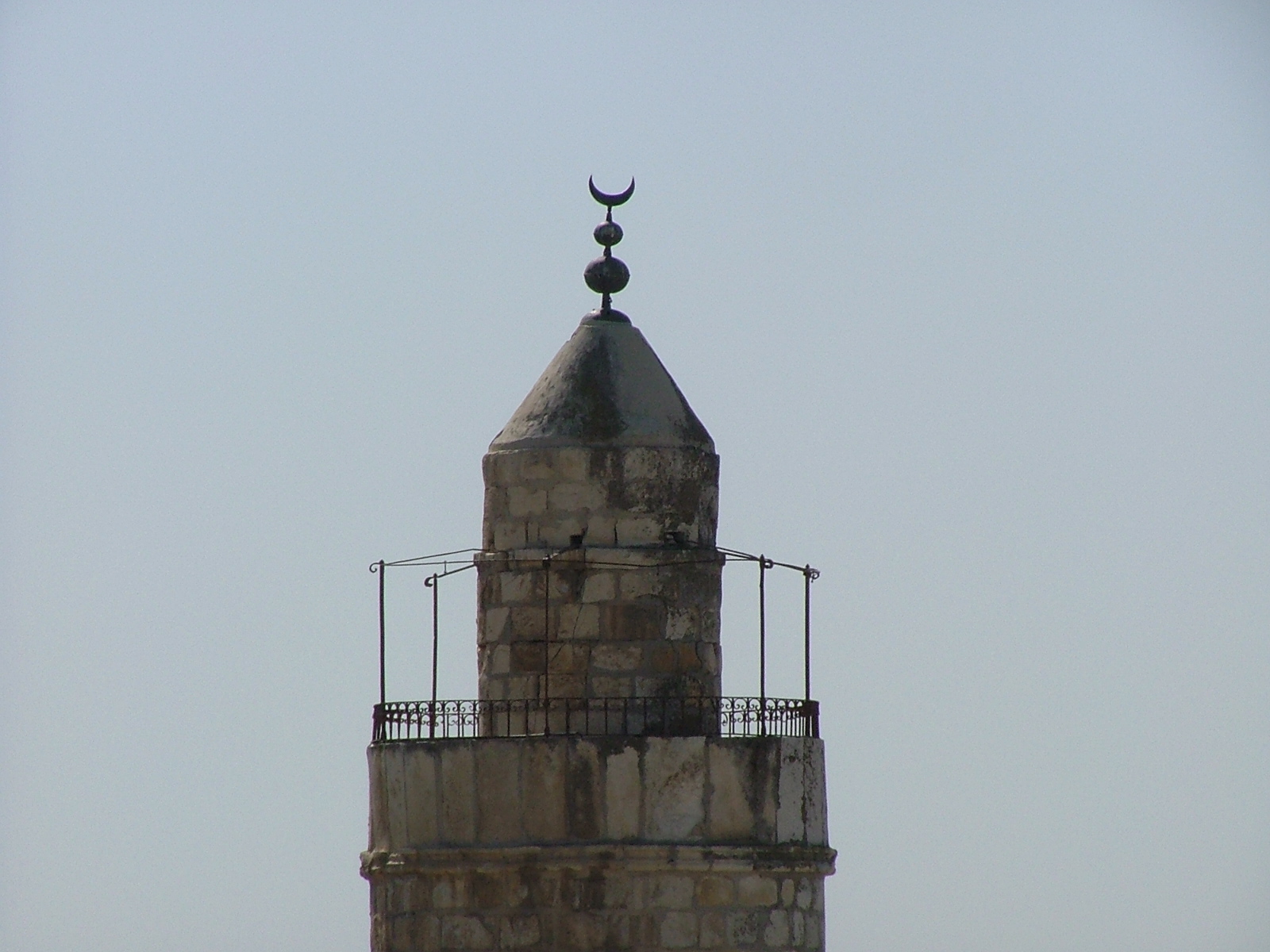
The Tower of David stands at the Jaffa Gate, where Jerusalem’s Old City meets the new. This fortress has seen empires rise and fall, religions clash and coexist, and cultures leave their mark over centuries. It’s called a museum, but that word doesn’t capture what it is: a place where history isn’t just displayed—it’s alive in the walls, the arches, the worn stone underfoot.
The name is a misnomer. King David had nothing to do with this fortress. The connection started in Byzantine times, long after the First Temple era. The original structure goes back to the Hasmoneans, but what you see now is the work of Romans, Arabs, Crusaders, Mamluks, and Ottomans. Each rebuilt, reinforced, or repurposed it. Beneath the current walls, archaeologists have found older fortifications, some from the first century BCE.
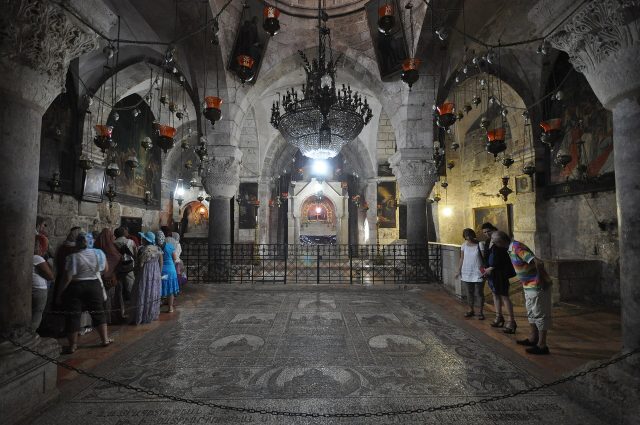
From the outside, it looks like any medieval stronghold: thick walls, crenellated towers, narrow slits for arrows. Inside, the fortress changes. There are no sterile displays here. Instead, you walk through courtyards, passageways, and chambers where history is part of the structure. A Roman bath lies in one room. Byzantine mosaics peek through another. The vaults, once barracks and storerooms, now hold the weight of centuries.
The Tower of David doesn’t just show Jerusalem’s history—it lets you walk through it. The building is the exhibit. You climb staircases worn smooth by time, pass through gates from different eras, and reach a platform where the city unfolds. From here, the Old City blends into the new. Church domes stand beside minarets. Modern neighborhoods stretch across hills that once saw battles. On clear days, the Judean Mountains rise in the distance, marking why this spot mattered.
At night, the fortress changes again. When the sun sets, a sound-and-light show projects Jerusalem’s history onto the ancient stones. The Second Temple’s construction, Roman sieges, Crusader arrivals—all flicker across the walls with music and narration. It’s not just a show. It’s an attempt to make history feel real, to let the stones tell their own story.
For locals, the Tower of David is more than a tourist stop. It hosts art exhibitions, concerts, and lectures. Israeli artists display works inspired by the site. Summer jazz nights fill the courtyard under the open sky. This mix of old and new makes the fortress feel alive, not like a museum but a place where the past and present meet.
Walking through the Tower of David isn’t like following a timeline. Jerusalem’s history has never been simple—it’s a mix of overlapping eras, cultures, and conflicts. The fortress reflects that. You can trace the layers of stone or sit on a bench and watch the city below. Pilgrims head toward the Western Wall. Vendors in the Arab market call out to shoppers. Tourists snap photos at the Jaffa Gate.
The Tower of David doesn’t impose a single story. Every era has left its mark, and every visitor finds their own meaning. Some feel a spiritual connection. Others see a stunning view. Many leave with a sense of how fragile yet enduring history can be. When you step out, Jerusalem doesn’t feel like just a city. It feels like something still growing, despite its scars.