Baños del Inca is one of those places in Peru where history and nature feel so deeply intertwined that time seems to move at its own pace. Just a short distance from the city of Cajamarca, these thermal springs are known not only for their healing properties but also for their connection to one of the most pivotal moments in the country’s past. It was here, in these warm waters, that the last ruler of the Inca Empire, Atahualpa, rested before his fateful encounter with the Spanish conquistadors. Today, the springs draw both travelers and locals seeking relaxation and renewal, a quiet escape where the weight of history lingers in the steam rising from the pools.
The springs themselves are a network of natural mineral pools, their water ranging from a comfortable thirty to nearly forty degrees Celsius. Rich in sulfur, iron, and other minerals, the water is believed to soothe skin, ease joint pain, and restore vitality. The pools are framed by low stone walls, blending into the gentle slopes of the surrounding hills, where patches of grass and scattered trees soften the landscape. On clear days, the view stretches toward Cajamarca, and it’s easy to imagine Inca travelers arriving here centuries ago, weary from journeys across the rugged Andes, seeking rest in these same waters.
The history of Baños del Inca stretches far beyond the arrival of the Spanish. Archaeological evidence suggests the site was sacred to the Inca long before colonization, revered as a place where water—a gift from the gods—could cleanse both body and spirit. Even after the conquest, the springs retained their significance. The Spanish, recognizing their therapeutic benefits, began using them for healing and leisure, though the small colonial-era bathhouses they built have since disappeared. What remains is a sense of continuity, a place where the past is never far from the present.
Today, Baños del Inca is more than just a bathing spot; it’s a modest resort where visitors can spend a few hours or an entire day. Public pools are available for those who enjoy the communal atmosphere, while private cabins offer solitude for those who prefer it. The water is constantly refreshed, and the area is kept clean and well-maintained. Nearby, small cafés and stalls sell local snacks and handmade crafts, adding to the unhurried, welcoming feel of the place. There’s no rush here, no crowds—just the steady murmur of water and the occasional rustle of wind through the hills.
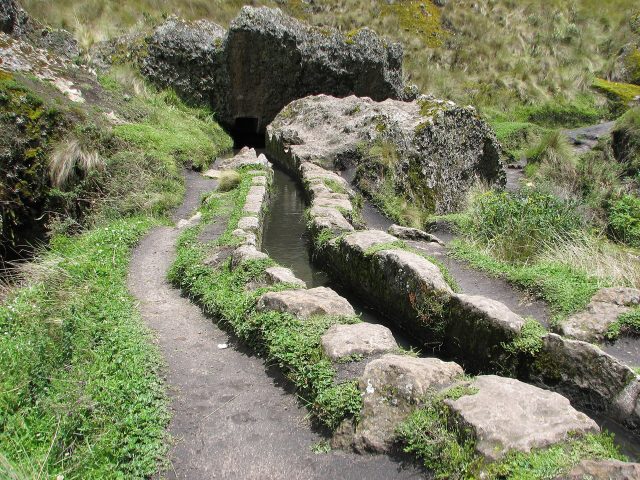
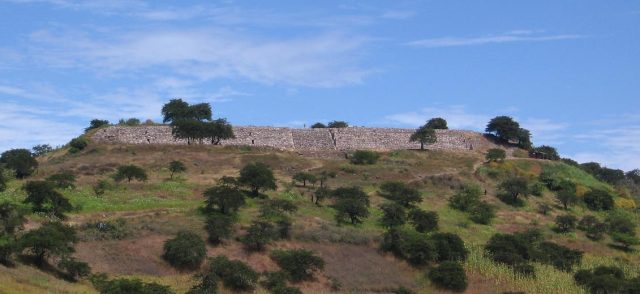
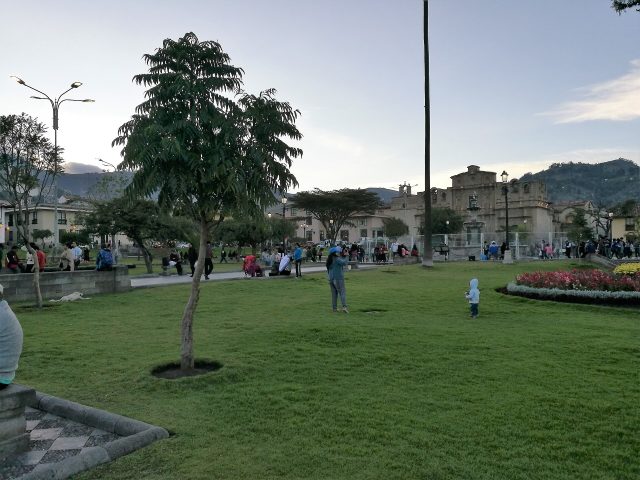
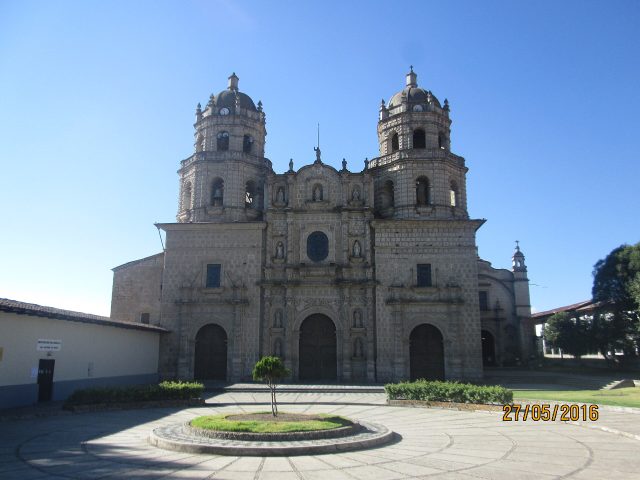
Cajamarca itself is a city where colonial charm and Inca heritage coexist effortlessly. Its narrow streets, whitewashed houses with red-tiled roofs, and centuries-old churches create an atmosphere that feels suspended in time. Beyond the city, other attractions like the Cuzco de Otuzco ruins or the caves of Cumbe Mayo offer glimpses into the region’s layered history, but Baños del Inca remains one of the most compelling reasons to visit. It’s a place where the past isn’t just remembered—it’s still alive in the warmth of the water and the stories whispered by the wind.
The best time to visit is during the dry season, from May to October, when the weather is mild and the days are comfortably warm. The rainy season, from November to April, can make access trickier, with muddy roads and higher humidity, though the landscape becomes lush and vibrant. The water in the pools stays warm year-round, so there’s never a bad time to soak in its mineral-rich embrace.
For those spending a few days in Cajamarca, Baños del Inca makes for a natural addition to any itinerary. A visit can easily be paired with a stroll through the city’s historic center, a tour of its colonial landmarks, or a trip to nearby villages where Inca traditions endure. Locals often speak of the water’s restorative powers, how it has eased their aches or lifted their spirits after long days of work. There’s a quiet reverence in the way they talk about the springs, as if the water carries something deeper than just physical healing.
More than just a tourist attraction, Baños del Inca is a place where the past feels tangible and the present offers a rare kind of peace. Whether you come for a few hours or a full day, the springs have a way of slowing time, letting you sink into the warmth of the water and the stillness of the hills. It’s the kind of place that lingers in memory, not just for what you see, but for how it makes you feel—calmer, lighter, as if some of the weight of the world has been washed away.