Bamiyan’s Band-e Amir is one of those places that feels almost imagined until you stand before it. A chain of six sapphire lakes nestled in the rugged mountains of central Afghanistan, it unfolds like a mirage in the high-altitude desert. The water is so clear that the lakebeds remain visible even at depth, shifting between shades of blue and green as the light changes throughout the day. What makes these lakes extraordinary are the natural dams of travertine—a porous limestone formed over millennia by mineral-rich springs—that separate each body of water. These barriers create a stepped cascade, as if nature had deliberately sculpted a series of pools into the harsh landscape.
The lakes hold deep spiritual significance for many Afghans. Local tradition ties them to Ali, the son-in-law of the Prophet Muhammad, who is said to have split a mountain with his sword to release the waters, forming the lakes in a moment of divine intervention. The name Band-e Amir itself translates to "Dam of the Commander," a reference to Ali, and the site remains a place of pilgrimage for those seeking purification and prayer. Yet the history of Band-e Amir stretches far beyond Islamic tradition. Archaeological evidence suggests that humans have been drawn to this place for thousands of years, lured by its fresh water and the rare fertility it brought to an otherwise arid land.
The first lake visitors encounter is Band-e Gholaman, the largest and deepest, its surface so still it mirrors the surrounding cliffs and sky. Beyond it lies Band-e Qambar, named for its vivid blue spring, where the water takes on an almost unnatural intensity. The smallest but perhaps most striking is Band-e Haibat, its steep, rocky shores framing water so transparent that every pebble on the bottom seems within reach. The remaining lakes—Band-e Panir, Band-e Pudina, and Band-e Zulfiqar—each have their own character, from gentle slopes to small waterfalls trickling over the travertine ledges.
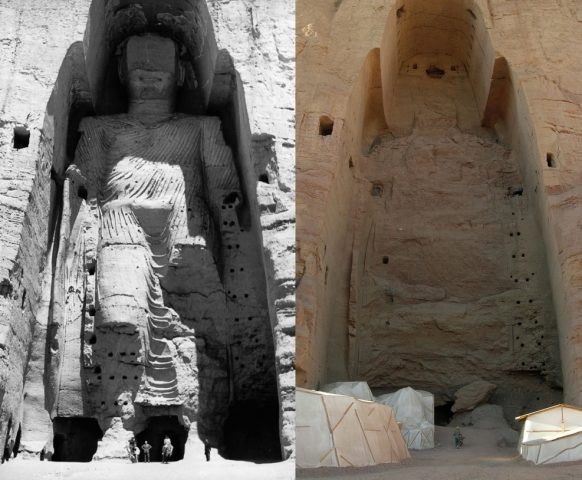
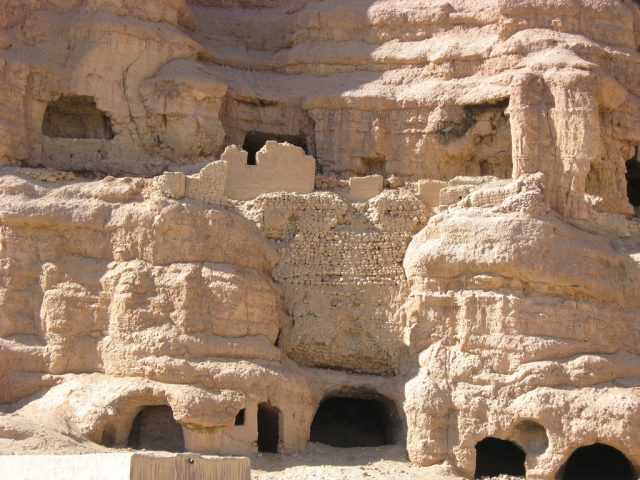
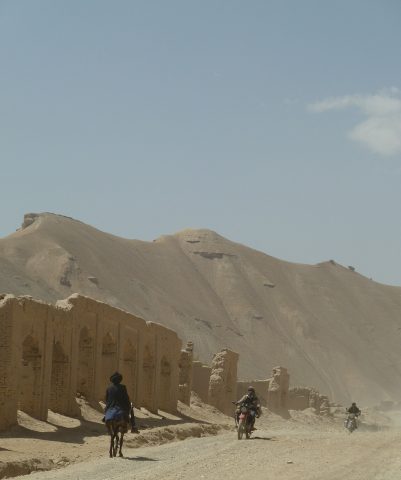
At nearly three thousand meters above sea level, Band-e Amir’s climate is as dramatic as its scenery. Summers are cool even when the rest of the country swelters, while winters transform the lakes into sheets of ice. Spring and autumn offer the most forgiving weather, with crisp air and skies so clear the water appears to glow. The surrounding mountains are stark and dry, their slopes dotted with hardy shrubs and grasses that bloom briefly after rare rains. Wildlife is sparse, though ibex and birds occasionally appear near the water. Nearby Bamiyan, once a thriving center along the Silk Road, bears the scars of more recent history—its ancient Buddhist monasteries and the empty niches where the giant Buddha statues once stood, destroyed in the early 2000s. The ruins serve as a reminder of the region’s layered past, where cultures and faiths intersected for centuries.
Despite its remoteness and the challenges of reaching it, Band-e Amir has long been a destination for those willing to make the journey. Until recently, it was protected as Afghanistan’s first national park, a recognition of its ecological and cultural value. Travelers who have ventured here describe an almost otherworldly stillness, broken only by the wind and the sound of water lapping against the travertine. In that quiet, it’s easy to imagine the generations of people who once gathered here, drawn by the same sense of awe that lingers today. The lakes endure as a testament to nature’s persistence, a place where time moves differently, untouched by the turmoil that has shaped so much of the country’s recent history.
Getting to Band-e Amir is an adventure in itself. From Kabul, the journey takes about eight hours, winding through the Hindu Kush mountains before turning north toward Bamiyan. The roads are rough, often little more than dirt tracks clinging to the sides of steep valleys. In Bamiyan, local guides can arrange trips to the lakes, sometimes offering horses or donkeys to navigate the rocky paths leading to the higher pools. During the rainy season, parts of the route become impassable, so the best time to visit is when the weather is dry and the skies are clear.
There’s a quiet magic to Band-e Amir that stays with you long after you leave. It’s a place where the stark beauty of the mountains meets the delicate hues of the water, where ancient legends brush against the present. Some visitors come for just a few hours, walking the shores and taking in the views, while others stay longer, camping under the stars and listening to the silence. The water is so pure it’s safe to drink, and the air carries the scent of wild herbs. On clear nights, the sky above the lakes is a vast, unbroken expanse of stars, a sight rarely seen in the glow of cities. It’s a place that slows you down, where the weight of the world feels lighter, if only for a moment. That might be why, despite everything, people still find their way here—seeking something simple and enduring, something like peace.