The Astronomical Observatory in Sibiu is a quiet portal to another era. The night sky here isn’t just a distant spectacle but a living mystery. Tucked away in the heart of Transylvania, this place carries none of the sleek efficiency of modern research facilities. Instead, it reflects early 20th-century science—a time when astronomy became accessible to anyone with curiosity. The building, over a century old, holds the warmth of that era, its walls echoing the footsteps of the first stargazers who gathered here.
Sibiu wasn’t an accidental home for the observatory. The city has long been a crossroads of culture and ideas, its intellectual life shaped by local passion and European thought. By the 19th century, Sibiu had established itself as a center of learning, with astronomy gaining traction among its residents. Early observations of the night sky began in the mid-1800s, but it wasn’t until 1911 that the city funded a permanent observatory. From then on, it became part of Sibiu’s scientific and cultural landscape, a place where the heavens felt closer.
The observatory’s architecture is simple. The building resembles a country manor more than a high-tech lab, its facade adorned with modest decorative touches from the early 1900s. The entrance, framed by low columns, leads to an interior of wooden staircases, high ceilings, and large windows that once let in the flicker of kerosene lamps. The dome, though small, stands out. It sits atop the building like an invitation, promising a glimpse of something beyond the everyday.
What makes the observatory special are the tools inside. The main telescope, still the centerpiece, isn’t just decorative. On clear nights, it reveals planets, distant nebulae, star clusters, and, if conditions allow, other galaxies. For many visitors, this is their first real encounter with the cosmos. Standing in the quiet dark, the telescope’s lens brings the universe into focus. When the skies over Sibiu are clear, the Milky Way stretches overhead like a river of light, untouched by the city’s glow.
Beyond its scientific role, the observatory is an educational hub. Lectures, guided tours, and observation sessions welcome school groups, students, and anyone eager to learn. The astronomers here share stories—they explain how constellations got their names, demonstrate how to track celestial objects, and answer questions about stars or black holes. For children, these visits can spark a lifelong fascination. For adults, they offer a chance to recapture the wonder of looking up.
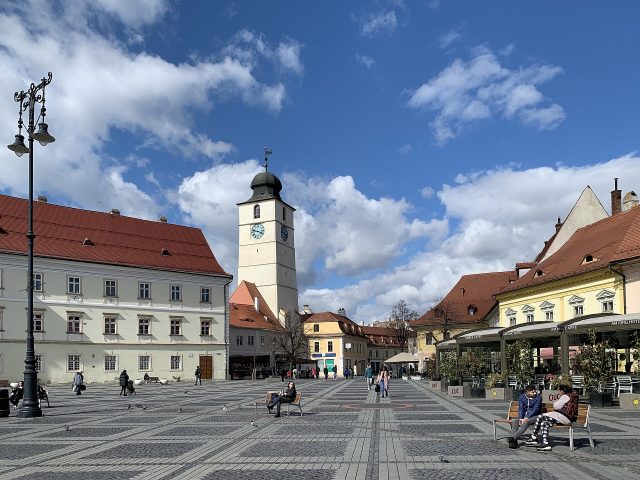
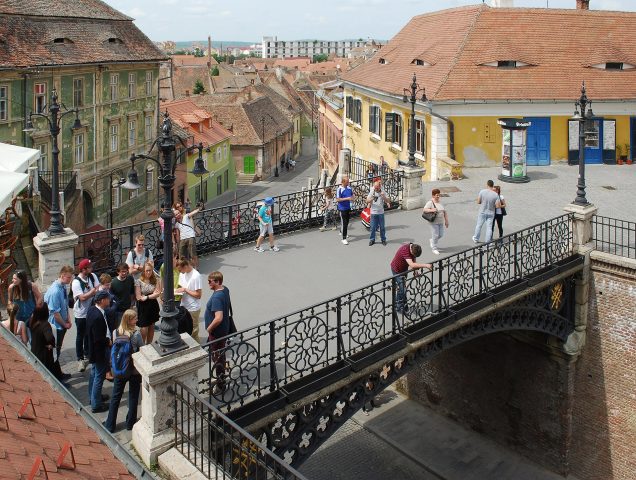
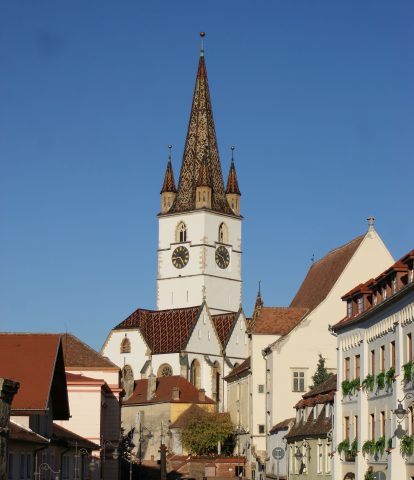
Sibiu is a city where history and modernity meet. Cobblestone streets wind past medieval walls, while grand squares echo with footsteps from centuries past. The observatory fits into this setting, a reminder that even in an age of screens, there’s still room for quiet contemplation. As evening falls, the observatory comes alive. There’s no rush—just the slow turn of the telescope and the hush of the night.
What sets Sibiu’s observatory apart is its purpose: a place where people can look up and feel connected to something larger. It doesn’t compete with grand research centers. Instead, it opens a window to the universe. For locals, it’s a familiar presence. For visitors, it’s an unexpected discovery, one that adds depth to their time in the city.
If you’re in Sibiu, step inside. Climb the stairs to the dome, peer through the telescope, and let your eyes adjust. You might see Saturn’s rings for the first time or catch a glimpse of a sunspot. Or you might simply stand there, staring at the stars, and realize that some things—like the human desire to look beyond—never change.