
Sibiu
Romania · 8 places
Photo: 7castle, CC BY-SA 3.0
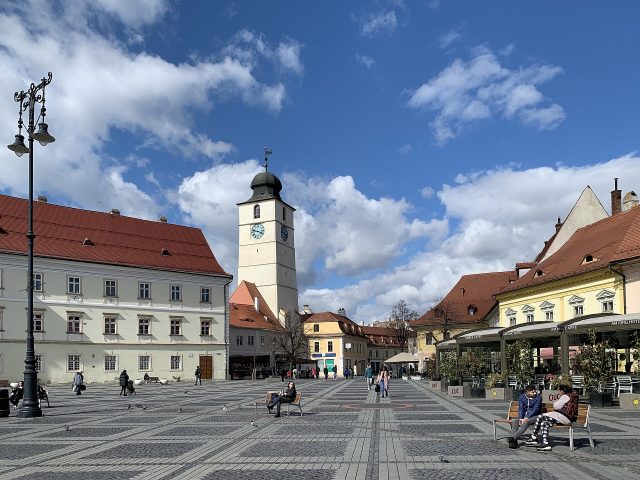
Sibiu feels like a place where time has settled into the cracks of its cobblestone streets, not in a rush to move forward but not clinging to the past either. Tucked into the heart of Transylvania, it sits among rolling hills draped in vineyards and forests, where the air carries the scent of woodsmoke from chimneys and the faint sweetness of fresh bread drifting from bakeries. The old town unfolds in a maze of narrow lanes, lined with houses whose red-tiled roofs slope gently toward the sky. Above them, the towers of medieval fortifications stand watch, remnants of an era when Sibiu was a bustling hub of trade and craftsmanship. Yet for all its history, the city doesn’t feel like a relic—it breathes, alive with the quiet rhythm of locals strolling across the Great Square or lingering over coffee in sunlit cafés.
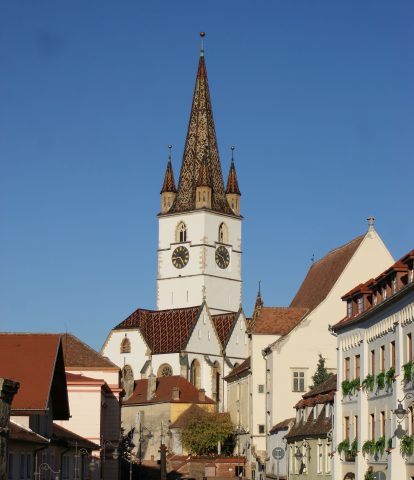
The city’s identity is deeply rooted in its Saxon heritage. Centuries ago, German settlers arrived here, shaping its architecture, traditions, and even the cadence of the local dialect. Sibiu was one of the seven fortified cities built to guard against invasions, and its walls, towers, and hidden passageways still whisper stories of those times. The most striking remnant is the Evangelical Cathedral complex, where 14th-century frescoes and weathered gravestones tell silent tales of the past. Then there are the city’s famous "eyes"—the attic windows perched on rooftops like watchful sentinels, peering down at the streets below. They’re a quirk of design, but they lend the city a sense of character, as if it’s always observing, always aware.
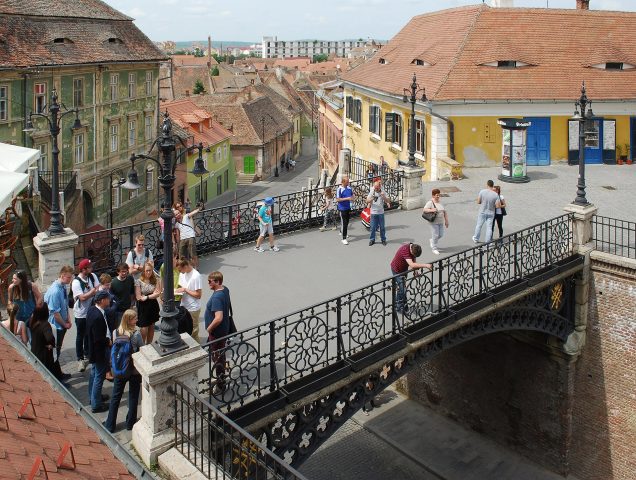
Sibiu isn’t just a monument to history, though. It’s a place where culture and modernity coexist without fuss. Theaters dot the city, including one of Romania’s oldest, and in summer, the squares come alive with festivals, open-air concerts, and bustling markets. The food here is hearty and unpretentious—think rich stews, smoked meats, and dumplings, all washed down with local wine or țuică, the fiery fruit brandy that seems to accompany every meal. The Great Square, with its pastel-colored houses and arched arcades, is the perfect starting point for exploration. From there, you can wander to the Bridge of Lies, a small pedestrian crossing said to sag under the weight of dishonesty, or climb the hill to the Orthodox Cathedral, where golden domes gleam against the sky and the view stretches over the rooftops of the old town.
For all its charm, Sibiu isn’t just about wandering its streets. It’s a gateway to the wild beauty of the Carpathians, just a short drive away, where hiking trails wind through forests and waterfalls tumble over rocky cliffs. Closer to the city, the Dumbrava Park offers a quiet escape, with its lakes and shaded paths, where families picnic and couples row boats under the trees. In winter, the city transforms—ice rinks appear in the squares, and the glow of streetlamps turns the snow-dusted streets into something out of a storybook. Even the botanical garden, a peaceful corner of the city, feels different in each season, from the riot of roses in summer to the crisp stillness of winter.
What makes Sibiu special isn’t just its beauty or its history, but the way it makes you feel. There’s no pressure here, no need to rush or check off sights. The city invites you to slow down, to notice the way light falls on the old walls in the afternoon or how the sound of church bells carries across the rooftops. It’s a place where every corner has a story, but none of them demand your attention. You can spend an afternoon people-watching in a café, or get lost in the labyrinth of backstreets, or simply sit by the river and watch the world go by. And when you leave, it’s not with the sense of having seen everything, but with the quiet certainty that you’ll want to come back. Sibiu doesn’t just stay in your memory—it lingers, like the echo of a half-remembered song.
See & Do
All of them
Places on the map
Marker colour follows the categoryClimate and weather
Detailed weather: Sibiu- Average temperature
- 11 °C
- Precipitation per year
- 611 mm
- Sunshine hours per day
- 5.4 h
Average air temperature
°C
-1
2
6
11
15
20
21
21
16
10
5
1
Jan
Feb
Mar
Apr
May
Jun
Jul
Aug
Sep
Oct
Nov
Dec


