The Ammergau Alps are one of those rare places where the mountains don’t just rise from the earth—they seem to breathe. Stretching across the border between Bavaria and the Austrian Tyrol, this range is modest in height, rarely exceeding two thousand meters, but its gentle slopes and quiet valleys hold a kind of understated power. Unlike the dramatic peaks of the nearby Alps, the Ammergau feels approachable, almost intimate, as if inviting you to step into a landscape that has remained largely unchanged for centuries.
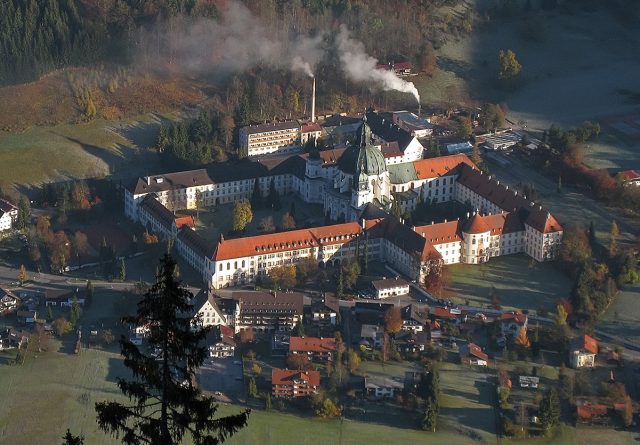
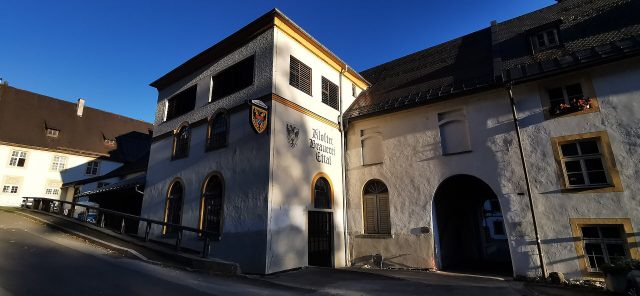
The national park that bears the same name was established in the late 1990s, but the land itself carries a much older story. For centuries, these mountains were a crossroads, a place where traders, pilgrims, and farmers passed through on their way between Germany and Italy. The Benedictine monastery in Ettal, just beyond the park’s edge, drew travelers for generations, its presence a quiet anchor in the surrounding wilderness. Today, the park is a sanctuary where nature slowly reclaims what was once shaped by human hands—logging, grazing, and small-scale farming have given way to dense forests, untamed meadows, and the occasional crumbling stone wall, half-swallowed by moss.
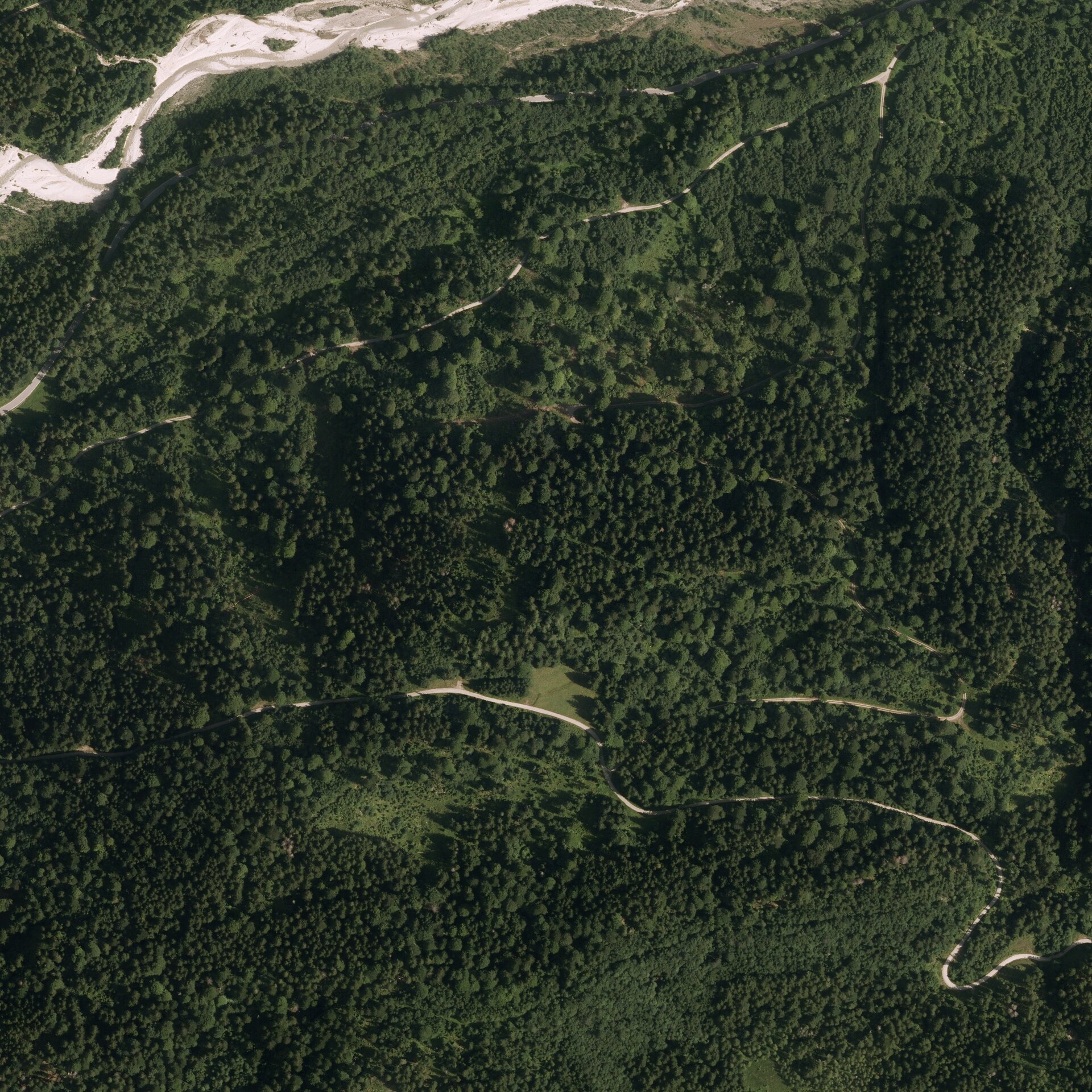
What makes the Ammergau Alps special is their variety. The lower slopes are thick with spruce and fir, their branches heavy with snow in winter and dappled with sunlight in summer. Higher up, the trees thin out, giving way to alpine meadows where cows graze in the warmer months, their bells ringing softly across the valleys. In spring, these meadows burst into color—gentians, arnica, and the occasional edelweiss dot the grass like scattered jewels. The terrain shifts again near the ridges, where rocky outcrops and narrow gorges cut through the landscape, their streams rushing over smooth stones. The river Ammer, which gives the range its name, begins here as a modest trickle before gathering strength as it winds through the foothills, eventually feeding into the larger Loisach.
One of the most peaceful spots in the park is Lake Alpsee, a small, mirror-like body of water nestled at the foot of the mountains. On still days, the lake reflects the surrounding peaks so perfectly that it’s hard to tell where the water ends and the sky begins. In summer, the shore is a quiet place for swimming or simply sitting with a book, listening to the call of birds overhead. When winter arrives, the lake freezes over, its surface becoming a natural ice rink for locals and visitors alike. Trails circle the lake, leading to viewpoints where the entire valley unfolds below—a patchwork of forests, pastures, and the occasional church steeple rising from a distant village.
Hiking here is less about conquering summits and more about wandering. The trails range from gentle loops through the foothills to more demanding ascents, like the paths leading to Krottenkopf or Hochblassen, where the reward is a sweeping view of the Bavarian countryside and, on clear days, the distant snow-capped Alps. Even the easier routes offer surprises: a sudden clearing where chamois graze, the rustle of a deer in the underbrush, or the sight of marmots sunning themselves on rocks. Spring and autumn are particularly magical—rhododendrons bloom in late May, while September turns the forests into a blaze of gold and red. Winter transforms the landscape yet again, coating the trees in frost and turning the trails into silent corridors for cross-country skiers.
Despite its proximity to well-trodden tourist routes, the Ammergau Alps remain refreshingly free of crowds. There are no cable cars here, no luxury resorts, no souvenir shops hawking plastic trinkets. Instead, the villages scattered through the valleys feel like they’ve been here forever, their wooden chalets and flower-laden balconies blending seamlessly into the landscape. The guesthouses and small inns offer simple comforts—clean rooms, hearty meals, and the kind of hospitality that comes from people who’ve lived in these mountains for generations. In the evenings, you might find yourself in a wood-paneled tavern, eating roast pork with dumplings or trout fresh from the river, while the conversation drifts between German and the local dialect.
What draws people back to the Ammergau Alps isn’t a checklist of sights or a packed itinerary. It’s the way the place slows you down. There’s no rush to see everything, because the real experience isn’t in the seeing—it’s in the being. A morning spent watching mist rise from a valley, an afternoon following a deer trail through the woods, an evening by a fire in a mountain hut where the only sound is the crackling of logs. The mountains don’t demand anything from you except a willingness to step out of the usual rhythm of life. And for those who do, they offer something increasingly rare: a sense of time that moves at the pace of the seasons, not the clock.