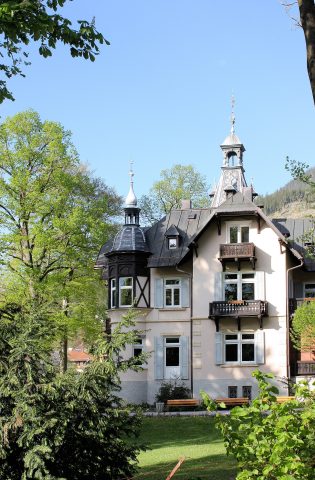
The Alpine Museum in Garmisch-Partenkirchen is one of those quiet places where the mountains feel closer than the view outside the window. Tucked along the banks of the Loisach River, this modest building doesn’t just tell stories about the Alps—it makes them tangible, as if you’ve just stepped off a trail or paused mid-climb to catch your breath. Founded in the early 20th century, the museum has grown into more than an archive of knowledge. It’s a bridge between science, culture, and the everyday lives of those who call the foothills home, a place where the past and present of the mountains intersect in unexpected ways.
The museum itself is unassuming, its charm lying in its intimacy rather than grandeur. There are no towering atriums or flashy displays here, just a series of rooms that invite you to linger. The exhibits unfold like chapters in a book, each one revealing a different facet of the Alps. You’ll find everything from the geology that shaped these peaks to the flora and fauna that thrive in their shadows. Old climbing gear—ropes frayed from use, boots scuffed by rock, and weathered journals filled with notes on routes and conditions—tells the story of human persistence in a landscape that demands respect. There are maps that trace the evolution of exploration, photographs that capture moments of triumph and quiet reflection, and even taxidermied animals that offer a glimpse into the high-altitude ecosystems most visitors will never see up close.
Garmisch-Partenkirchen has long been a crossroads for mountaineering, and the museum pays homage to that legacy. This is where many expeditions began, where legendary guides once lived and worked, and where the first ascents of Germany’s highest peak, the Zugspitze, were meticulously planned. The exhibits don’t just recount these achievements; they make them feel immediate. A pair of worn leather gloves, a rusted ice axe, a diary entry scribbled in haste—these objects carry the weight of real experiences, of cold mornings and hard-won summits. It’s easy to imagine the voices of those who came before, their stories echoing in the quiet of the gallery.
Yet the museum isn’t stuck in the past. Modern installations explore how the Alps are changing today, from the impact of climate shifts on fragile ecosystems to the pressures of tourism and development. These aren’t dry lectures but narratives woven from the observations of scientists, locals, and visitors alike. One exhibit might trace the retreat of a glacier over decades, while another examines how traditional mountain farming is adapting to new realities. The tone is personal, almost conversational, as if the mountains themselves are sharing their secrets.
Art has always been a way of capturing the essence of the Alps, and the museum’s collection reflects that deep connection. Paintings, engravings, and photographs span centuries, from 19th-century romantic depictions of towering peaks to contemporary works that challenge how we see these landscapes. Some pieces portray the Alps as untamed and forbidding, while others celebrate their beauty and serenity. Together, they reveal how our relationship with mountains has evolved—from places of fear and mystery to sources of inspiration and recreation. A delicate watercolor of a snow-covered valley or a bold sketch of a climber mid-ascent can say as much about human ambition as any historical artifact.
What makes the Alpine Museum special is its ability to speak to everyone, not just historians or climbers. It’s a place where you can learn about the rhythms of life in the mountains beyond the postcard images. How do villagers prepare for winter? What traditions have survived in remote hamlets? What does it mean to live in a landscape that can be both generous and unforgiving? The answers unfold in displays about local crafts, seasonal festivals, and the simple, hearty dishes that sustain those who call the Alps home. There’s a sense that the mountains aren’t just a backdrop but a living, breathing part of the culture here.
Of course, no museum can replace the experience of standing on a ridge with the wind in your face. But it can deepen your understanding of what you’re seeing, whether you’re planning a hike or reflecting on one you’ve just completed. After a visit here, even a casual stroll through Garmisch-Partenkirchen takes on new meaning. The peaks in the distance stop being just scenery and start feeling like characters in a much larger story—one that’s still being written.
The museum’s atmosphere encourages slow exploration. There are no crowds jostling for space, no rush to move from one exhibit to the next. You can take your time examining the details, reading the stories behind the objects, or simply standing by a window to watch the mountains outside. In those quiet moments, it’s clear why this place matters so much to the locals. It’s not just about preserving the past; it’s about maintaining a connection to the mountains in a world that’s constantly changing.
If you find yourself in Garmisch-Partenkirchen, the Alpine Museum is worth an hour—or more—of your time. Even if you’re not a climber or a scientist, it offers a different way of seeing the Alps: not as a tourist destination, but as a place where nature, history, and human lives intertwine. And perhaps, after leaving, you’ll find yourself looking at the mountains with a little more curiosity, a little more understanding. Maybe you’ll even want to come back, not just to see them, but to feel them.