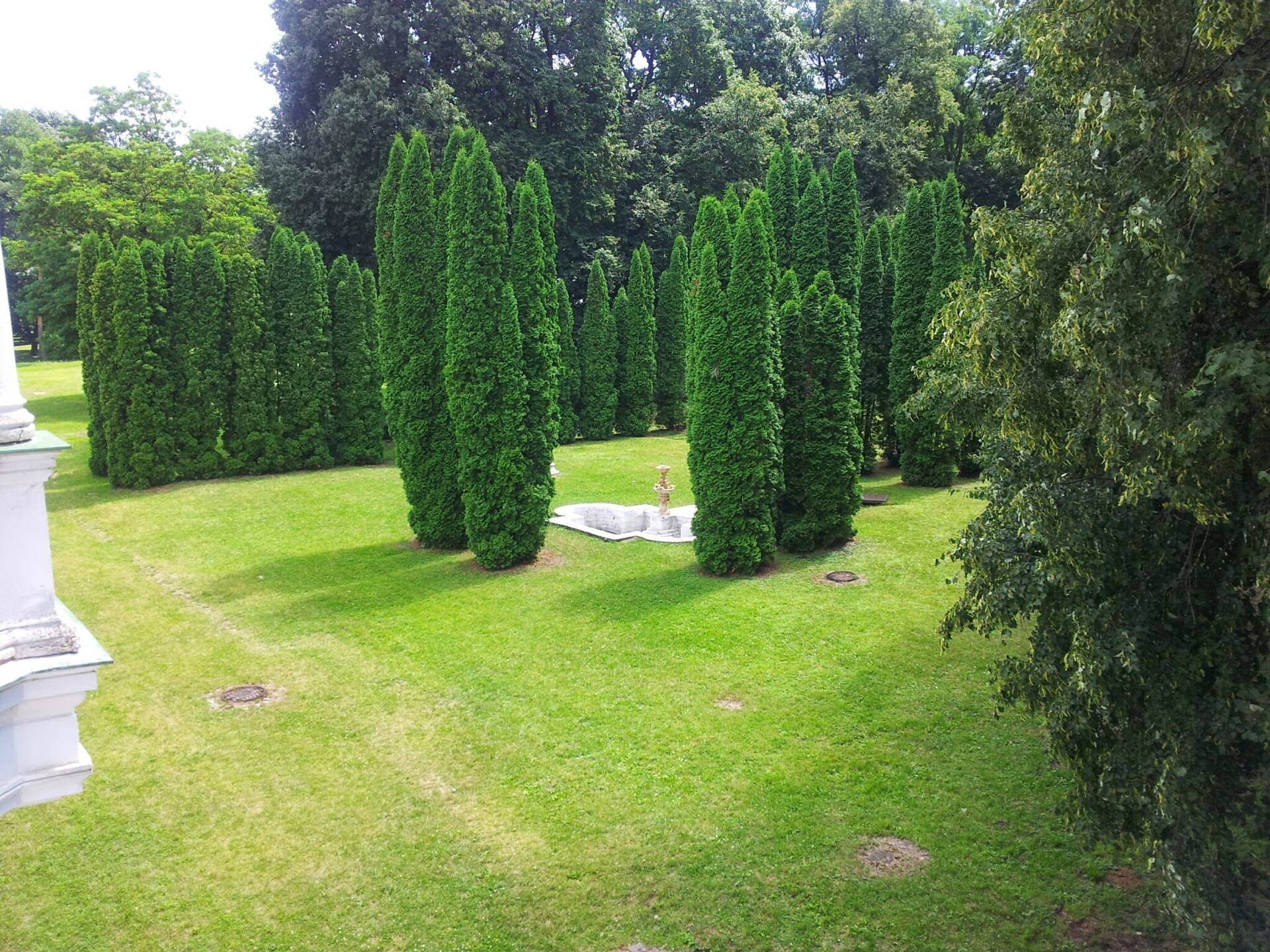
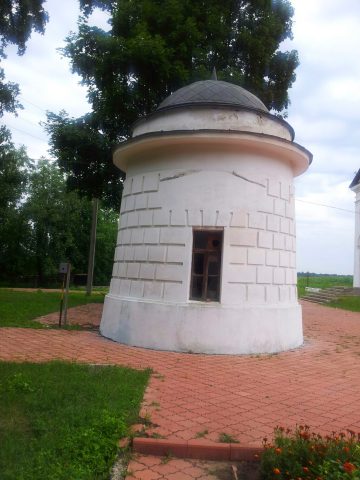
Kachanivka is one of those rare places where time seems to slow down, as if the world beyond its borders moves at a different pace. Tucked away in the rolling hills of northern Ukraine, this village is home to one of the country’s oldest and most enchanting landscape parks. Established in the late 18th century as part of an estate belonging to the Tarnovsky family, the park has witnessed centuries of change—wars, revolutions, and shifting borders—yet its natural beauty remains untouched, as if frozen in another era. What makes Kachanivka truly special isn’t just its history, but the way human hands shaped the land so seamlessly that it feels like nature itself designed it.
At the heart of the park lies the Linden Alley, a nearly kilometer-long passage that connects two of the estate’s most striking landmarks: the neoclassical palace and the neo-Gothic church. Planted in the early 19th century, the linden trees stand in two orderly rows, their branches arching overhead to form a living tunnel. In summer, the dense canopy casts dappled shadows on the path below, offering cool respite from the sun. When autumn arrives, the leaves turn a brilliant gold, transforming the alley into a shimmering corridor. Even in winter, when the branches are bare, the trees retain a quiet dignity, their silhouettes etched against the sky like something from a fairy tale.
This alley is more than just a picturesque walkway—it’s a place steeped in history. The Tarnovsky family, known for their patronage of the arts, often invited prominent figures of the time to their estate. Poets, painters, and musicians strolled beneath these very trees, engaging in lively discussions and drawing inspiration from the surroundings. Among them were Taras Shevchenko, Ukraine’s national poet, and Nikolai Gogol, whose works were shaped by the landscapes of his homeland. While no one can say for certain where Shevchenko found the muse for his verses, the atmosphere of Kachanivka—its quiet beauty and timelessness—makes it easy to imagine how such a place could spark creativity.
The estate itself is a study in contrasts, blending European architectural influences with the natural Ukrainian landscape. The palace, with its clean lines and classical proportions, exudes a sense of order and grandeur, while the church at the opposite end of the alley resembles a medieval castle, its pointed arches and intricate details adding a touch of romance. The linden trees serve as a unifying thread, softening the formality of the palace and bridging the gap between the two structures. Together, they create a harmonious whole, where man-made beauty and nature exist in perfect balance.
Kachanivka has endured its share of hardships. During the Soviet era, the estate was repurposed as a sanatorium, and later, a tuberculosis dispensary. The park fell into disrepair, its once-manicured paths overgrown, its buildings neglected. Yet the linden trees stood firm, their sturdy trunks and sprawling branches bearing silent witness to the estate’s former glory. In the early 2000s, restoration efforts began, breathing new life into the park. Today, Kachanivka is once again open to visitors, and the Linden Alley has become a symbol of its revival—its paths cleared, its trees cared for, its beauty restored.
Walking along the alley is like stepping into another time. In summer, the air is thick with the scent of linden blossoms and the hum of bees gathering nectar. Autumn turns the path into a golden carpet, the rustling leaves underfoot a reminder of the changing seasons. Winter drapes the branches in frost, turning the alley into a scene from a storybook, while spring brings fresh green shoots and the promise of renewal. No matter the season, the alley has a way of making the past feel present, as if the footsteps of those who walked here before still linger in the air.
What makes Kachanivka so captivating is its ability to make history feel tangible. There are no crowds here, no modern distractions—just the quiet rustle of leaves, the distant call of birds, and the sense that the land itself is holding its breath. The Linden Alley isn’t just a tourist attraction; it’s a living thing, growing and changing with the seasons, yet remaining rooted in the past. It serves as a reminder that beauty often lies in the spaces where nature and human effort intersect, where respect for the land creates something enduring.
Today, the park welcomes anyone who wants to experience Ukraine beyond its bustling cities and modern facade. Kachanivka offers a glimpse into a different era, one where life moved at a slower pace, where art and nature were intertwined, and where the land itself told stories. The Linden Alley is more than just a row of trees—it’s a thread connecting the past to the present, a place where you can walk in the footsteps of those who came before and feel the weight of history beneath your feet. It doesn’t demand attention; it simply exists, quiet and timeless, waiting to be discovered.