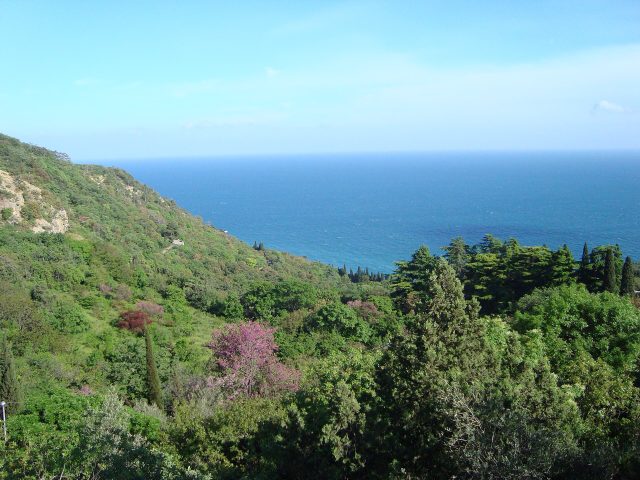
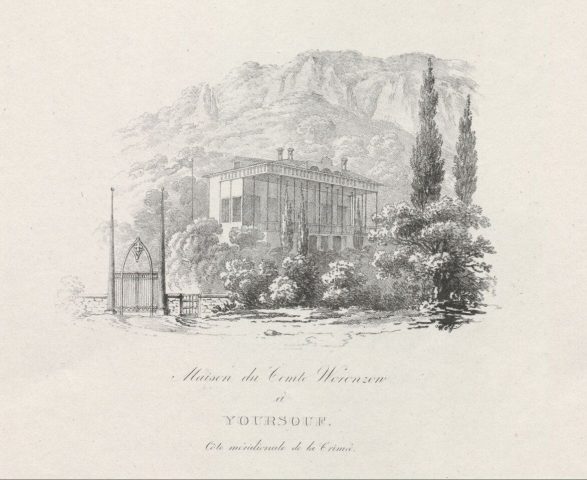
Gurzuf’s Alliance is one of those places where time seems to move differently. Tucked along the southern coast of Crimea, where cypress and juniper trees sway in the sea breeze, this quiet corner was once part of an early 20th-century estate. Back then, it belonged to an industrialist and patron of the arts, a man who shaped the landscape before the land passed into the hands of a sanatorium. That sanatorium became a symbol of Gurzuf’s leisurely rhythm, a place where the Soviet era’s idea of rest took physical form. Today, the grandeur of those days is mostly gone, but what remains carries the weight of history—fragments of a past that refuse to fade.
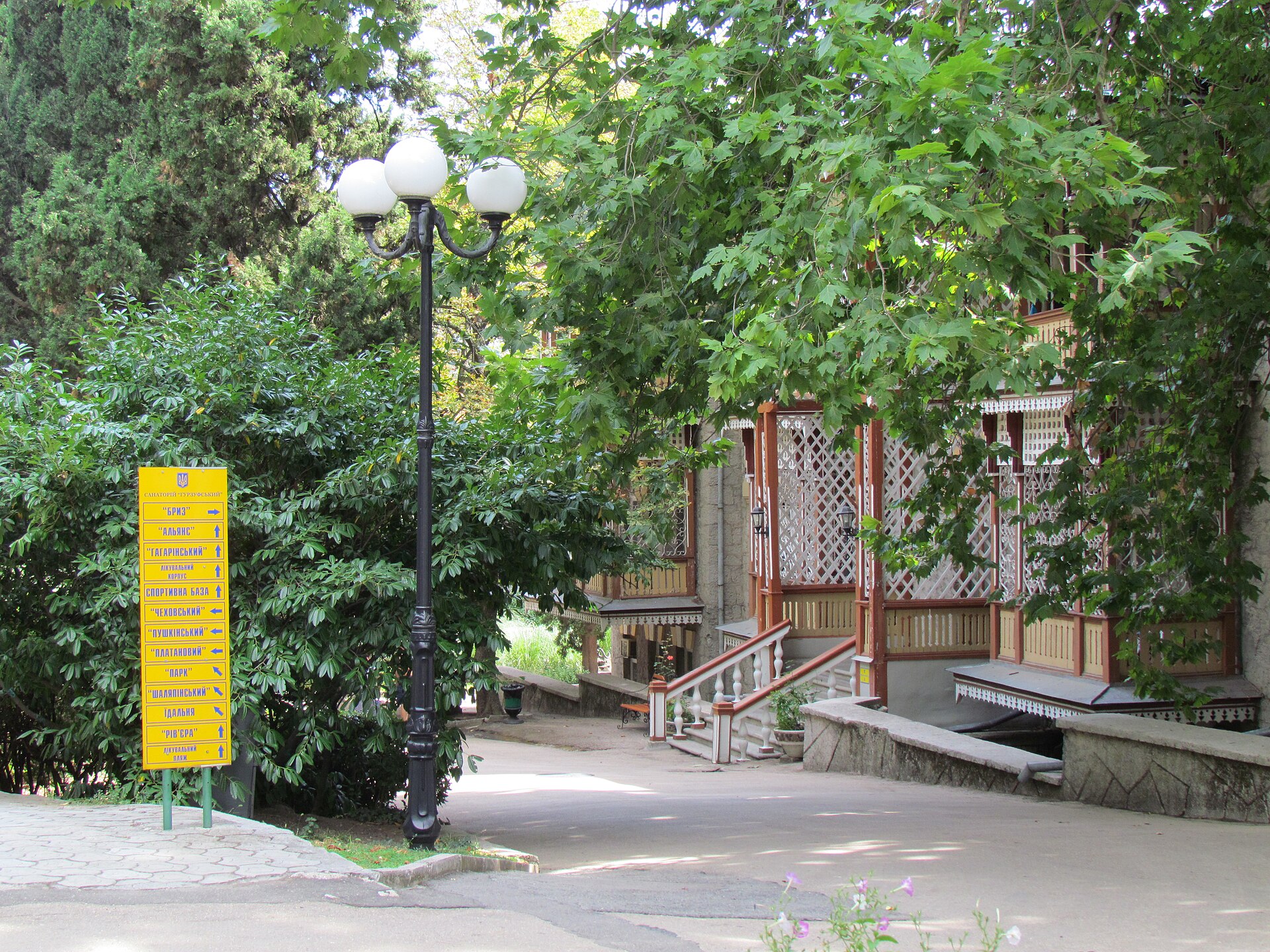
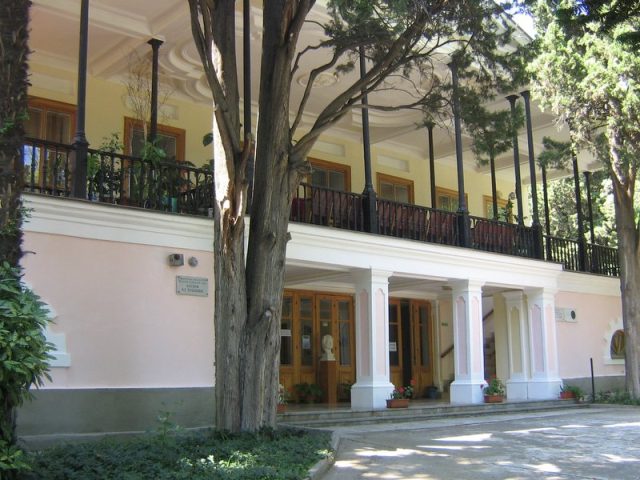
The architecture here is unassuming, and that’s precisely what makes it special. The sanatorium buildings, constructed in the mid-20th century, are distinctly Soviet in their design: high ceilings, large windows, and wide verandas that frame views of the Black Sea. They were built for comfort, not ostentation—functional spaces where people could unwind, breathe in the salt air, and forget the rush of the outside world. The structures blend into the surrounding park, a green expanse of ancient trees that invites long, meandering walks.
Gurzuf has always had a certain atmosphere, and Alliance fits into it seamlessly. Unlike Yalta’s bustling promenades or Alushta’s lively beaches, this place is quiet. The sound of waves lapping against the shore mixes with the rustle of leaves, and the sea is never far away. In summer, the air is thick with the scent of pine and salt; in winter, the resort slows down, and time seems to stretch. There’s no urgency here, just the steady rhythm of nature and history.
Alliance has witnessed many eras. During Soviet times, it was a retreat for people from all over the country—writers, artists, scientists, the kinds of figures who shaped the cultural landscape of their time. After the Soviet Union collapsed, the place changed. Some parts fell into disrepair, others were privatized, and the idea of what a holiday should be shifted. The surviving buildings tell that story, a quiet testament to how Crimea’s identity has evolved, how traditions have faded, and how new ones have taken their place.
The park around Alliance is a destination in itself. It may not have the fame of the Nikitsky Botanical Garden, but it holds its own treasures: stone pines, magnolias, and plane trees, some of which predate the sanatorium itself. The paths wind past old fountains overgrown with ivy and benches that have offered the same views for decades. It’s easy to lose your way here, and that’s part of the charm. The park feels like a living archive, a place where every tree and stone has a story to tell.
This isn’t the kind of place you visit for flashy attractions or souvenir shops. There are no neon signs or crowded cafes, no guided tours or scheduled entertainment. Alliance is for those who prefer a slower pace. You can come for the day, sit by the shore, and listen to the waves. Or you can stay longer—some of the old sanatorium buildings still welcome guests. The atmosphere isn’t commercial; it’s the kind of place that feels like it’s always been here, unchanged by time.
Gurzuf’s Alliance is a reminder that true beauty often lies in quiet corners. The sea, the mountains, the old walls that have seen so much—it’s all real, unfiltered by tourist brochures or Instagram filters. Maybe that’s why people come here. Not for excitement, but for the kind of peace that only comes when you step away from the noise and let the past and present coexist.