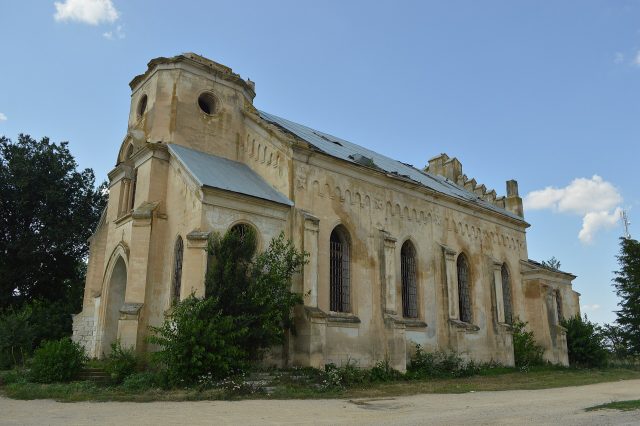
Alexandrovskoye is one of those quiet Russian villages where life moves at the unhurried pace of the seasons. On its outskirts stands a modest two-story schoolhouse, its brick walls and wide windows a familiar sight to generations of locals. This isn’t just a place of learning—it’s a cornerstone of the community, where memories have been made for decades.
Built in the mid-20th century, the school reflects the practical, no-frills architecture of its time. The building is sturdy, with high ceilings and wooden floors that creak underfoot, a sound that instantly transports former students back to their childhood. Inside, the air carries the faint scent of chalk and old books, while the spacious entryway leads to classrooms that have seen countless lessons, laughter, and the occasional scolding. It’s not a grand building, but there’s a warmth here that comes from years of shared experiences.
The schoolyard tells its own story. In summer, the grass grows wild, and children chase each other across the cracked pavement. In winter, the same space transforms into a playground of snow forts and sledding tracks. A rusted soccer goal and a set of pull-up bars stand nearby, remnants of a time when physical education classes and weekend matches drew crowds. These days, the yard looks a little neglected, but when the weather is fine, it still fills with life—kids darting between lessons, parents chatting on the benches by the entrance.
For small villages like Alexandrovskoye, the school has always been more than just a place to study. It was the heart of local culture, hosting everything from collective farm meetings to amateur theater performances. The auditorium still holds an old piano, its keys worn from years of use, and the walls are lined with faded photographs of past graduates. Some of those faces now belong to parents and grandparents, but in the pictures, they’re forever young, frozen in the carefree days of their youth.
Today, the school remains open, though the number of students dwindles with each passing year. Many families have moved to larger towns, leaving behind the quiet rhythms of village life. Those who still attend understand that their school is more than just a building—it’s a living piece of history. Teachers, some of whom once sat at these same desks, do their best to pass on not just knowledge, but a sense of belonging. Lessons often drift into stories about the village’s past, about the people who shaped it, and the traditions that endure.
Like many rural schools, this one shows its age. Paint peels in the corners, and a few classrooms could use repairs, but resources are limited. Still, the community takes pride in what they have. Every now and then, former students return for cleanup days, repainting walls or tidying up the yard. These gatherings turn into reunions, filled with laughter and nostalgia—someone pulls out old photos, others reminisce about school pranks, and a few simply sit on the familiar benches, soaking in the memories.
For those who grew up here, the school is more than just a building. It’s where first friendships were formed, where childhood dreams took shape, and where the simple joys of village life were lived. The future of Alexandrovskaya School is uncertain—many rural schools in Russia face closure as populations shrink. But for now, it stands as a quiet witness to the passage of time, its halls still echoing with the voices of children. And as long as it does, the village lives on, too.