Alexandrovsky House of Culture sits on the edge of a small rural settlement. Here, time moves slowly, and the building has seen decades of community life. It’s where generations have gathered for celebrations, quiet conversations, and everything in between.
The house was built in the mid-20th century, when cultural centers like this one appeared across Soviet villages. Its design is simple: brick walls, tall windows, and a spacious hall with a modest stage. The place feels warm, though it carries the weight of its own history.
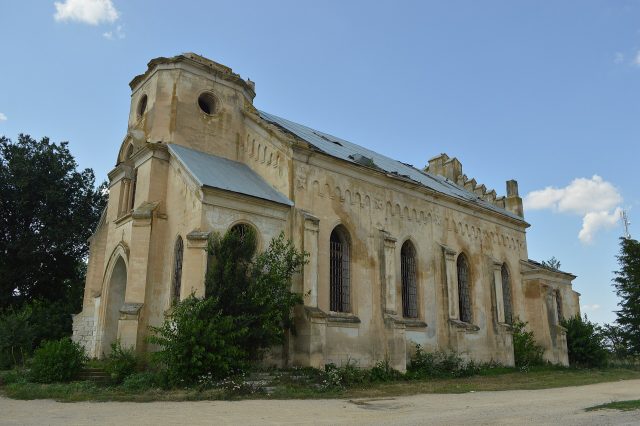
The building doesn’t draw attention from the outside. The facade is worn, the sign by the entrance tilts, and the wooden doors have been used for years. Around it, a small park with benches offers a place to sit. In summer, teenagers hang out here, or elderly locals play dominoes under the trees. When winter comes, a fir tree appears for New Year’s, and the air fills with music and laughter.
Inside, the past is visible in small details. The foyer holds photographs of amateur performers from different decades. Certificates and awards line the walls, marking years of local talent. The main hall, which fits about a hundred people, feels cozy when full. The stage has hosted choirs, orchestras, and plays. Once, films were shown on an old projector; now, modern equipment is used for screenings.
The house of culture is still active. Festivals, concerts by local groups, folk choir rehearsals, and craft workshops take place here. Sometimes, performers from nearby towns visit. On weekends, you might hear an accordion or amateur poets reciting their work. The building changes, but its purpose doesn’t.
Holidays here follow tradition. Maslenitsa brings pancakes, games, and the burning of a straw effigy. Victory Day gathers veterans, who share stories while children recite poems. These events keep memories alive and the community connected.
The house of culture thrives because of the people who care about it. Volunteers organize events, decorate the hall, and rehearse for performances. Fundraisers, school celebrations, and clean-up days happen here. It’s a place where people invest their time, knowing it makes a difference.
Younger generations often leave for cities, and traditional pastimes aren’t as popular. But as long as there are those who remember the hall filled with music and laughter, the house of culture will remain. For those who call this place home, it stands for shared history and the quiet strength of rural life.