Jabiru Airport is one of those quiet, unassuming places that doesn’t announce itself with fanfare but instead quietly opens the door to something extraordinary. Tucked into the heart of Australia’s Northern Territory, it serves as the main gateway to Kakadu National Park, a landscape so vast and ancient it feels like stepping into another era. Unlike the sprawling international hubs most travelers are used to, Jabiru is small, unhurried, and deeply connected to the land around it. There are no crowded terminals or endless queues here—just the hum of a single-engine plane preparing for takeoff, the occasional laughter of travelers swapping stories, and the ever-present sense that you’ve left the familiar behind.
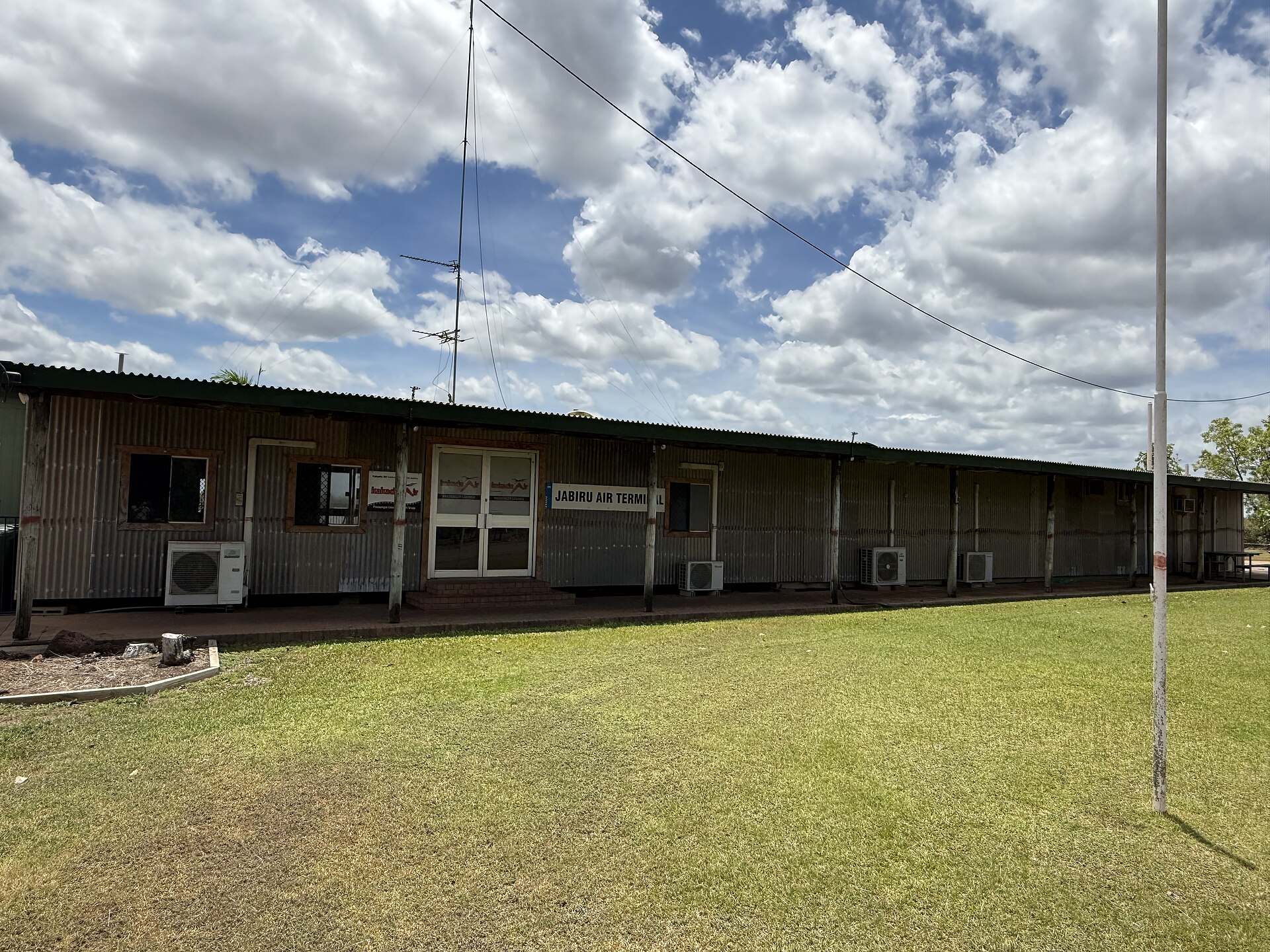
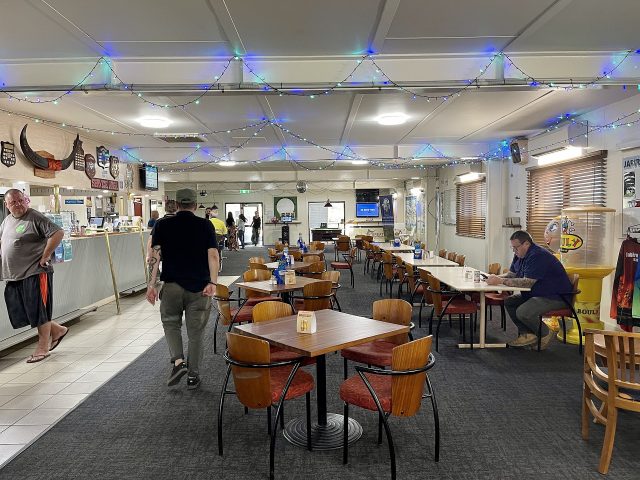
The airport itself is modest, built for purpose rather than spectacle. The terminal is a low-slung building with a no-nonsense design, its walls and roof designed to withstand the intense heat and seasonal downpours of the Top End. Inside, the air conditioning is a welcome relief from the humidity outside, and the space is functional without being sparse. There’s a small café where you can grab a coffee before heading out, a car rental desk for those who want to explore on their own, and a handful of staff who seem to know every regular by name. It’s the kind of place where you don’t linger longer than necessary—just long enough to sort out your paperwork and step into the landscape waiting beyond the runway.
What makes Jabiru special isn’t the airport itself, but what lies around it. The moment you step outside, the scale of the Northern Territory hits you. The air is thick with the scent of eucalyptus and damp earth, and the horizon stretches in every direction, broken only by the occasional termite mound or the distant silhouette of sandstone escarpments. This is country that has been shaped over millennia, where rivers carve their way through ancient rock and wetlands teem with life. For the Bininj and Mungguy people, the traditional owners of this land, Kakadu is more than just a national park—it’s a living cultural landscape, filled with stories, songlines, and sacred sites that have been passed down for generations.
The town of Jabiru, just a short drive from the airport, feels like a place caught between two worlds. It was established in the 1980s as a mining settlement, built to support the nearby Ranger uranium mine, but today its identity is tied more closely to tourism and conservation. The streets are wide and quiet, lined with low-slung houses and the occasional roadhouse where travelers stop for fuel and supplies. There’s a sense of impermanence here, as if the town exists primarily to serve the park and its visitors, rather than the other way around. Yet for all its simplicity, Jabiru has a certain charm—it’s a place where people come to disconnect, whether they’re here to work in the park, study its ecosystems, or simply lose themselves in its vastness.
Flying into Jabiru is an experience in itself. As the plane descends, the landscape unfolds beneath you like a living map. The wetlands of the Alligator Rivers system glisten in the sunlight, their winding channels lined with mangroves and paperbark trees. Further inland, the savanna stretches out in a patchwork of green and gold, dotted with termite mounds that look like tiny sentinels standing guard over the land. And then there are the escarpments—towering sandstone cliffs that rise abruptly from the plain, their surfaces etched with the marks of time and, in some places, adorned with ancient rock art. These paintings, some of which are tens of thousands of years old, are a reminder that this land has been home to people for far longer than modern Australia has existed.
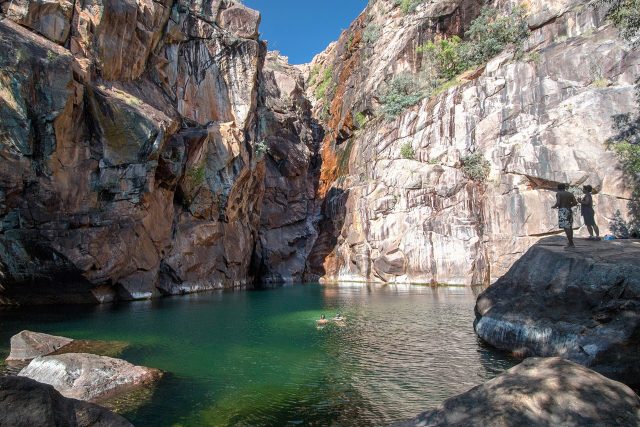
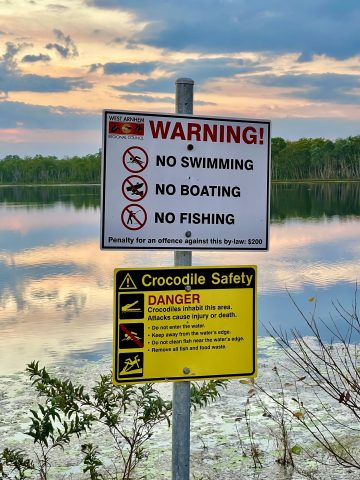
For most visitors, the airport is just the beginning. From here, the real journey into Kakadu begins. The park is a place of contrasts—lush wetlands teeming with birdlife, rugged gorges where crocodiles lurk in the shadows, and open woodlands where wallabies dart between the trees. In the dry season, from May to October, the park comes alive with visitors, and the airport sees a steady stream of arrivals. Some travelers head straight for the waterfalls of Jim Jim or Twin Falls, while others opt for a more leisurely pace, joining a cruise along the Yellow Water Billabong to spot saltwater crocodiles and jabirus, the large storks that give the town its name. The wet season, from November to April, transforms the landscape into a different kind of wonder—flooded plains, dramatic storms, and the occasional road closure that can leave travelers stranded for a day or two.
Jabiru Airport may not be glamorous, but it plays a vital role in keeping this remote part of Australia connected. For the local community, it’s a lifeline, ensuring that supplies, mail, and medical services reach the town and surrounding outstations. For the park’s rangers and researchers, it’s a base of operations, allowing them to monitor wildlife, manage fire regimes, and protect the park’s cultural sites. And for the tourists who pass through each year, it’s the first taste of a place that feels untouched by time. There’s something fitting about that—a place so deeply rooted in the natural world doesn’t need grand gestures to make an impression. It just is.
What stays with you about Jabiru isn’t the airport itself, but the feeling of standing on the edge of something much larger. It’s the quiet excitement of knowing that beyond the runway, the real adventure is waiting. Whether you’re here to hike through gorges, learn about Indigenous culture, or simply sit by a billabong and watch the sunset paint the escarpments in shades of red and gold, Jabiru is the kind of place that lingers in your memory long after you’ve left. It’s not a destination in itself, but a threshold—a place where the modern world fades into the background and the ancient heart of Australia takes center stage.