Bath Abbey stands at the heart of a city where history isn’t just preserved—it lingers in the air, woven into the very fabric of the place. The site has been sacred for centuries, long before the abbey as we know it took shape. Roman settlers once built a temple here, dedicated to Minerva, though little remains of that era beyond the thermal springs that gave Bath its name. The first Christian structure appeared in the 7th century, when Benedictine monks established a modest monastery. Over time, it grew into a spiritual hub, its influence shaping the city that rose around it.
The abbey’s current appearance is the result of centuries of change, each era leaving its mark. What strikes visitors first is the lightness of its Gothic architecture—tall, pointed windows reaching toward the sky, delicate tracery, and slender columns that seem to defy the weight of the stone. The west front is particularly striking, with its vast stained-glass window and a sculpted frieze of angels climbing a ladder to heaven. This facade, rebuilt in the early 16th century after years of neglect, carries the weight of history while still feeling almost weightless.
Inside, the abbey feels like a space suspended between earth and sky. Sunlight filters through the stained glass, casting shifting patterns of color across the stone floor. The nave is vast yet intimate, its vaulted ceiling appearing to float overhead. Unlike many medieval cathedrals, which can feel oppressive in their grandeur, Bath Abbey exudes a sense of balance. The choir stalls, carved from dark oak and adorned with intricate figures, add warmth to the cool stone. During services, the sound of the organ fills the space—an instrument with roots in the 17th century, its voice still resonant and powerful after countless restorations.
The abbey has always been more than just a place of worship. In the Middle Ages, it was a destination for pilgrims drawn to Bath’s healing springs, believed to possess miraculous properties. The Reformation brought turmoil; the monastery was dissolved, and the building fell into disrepair before being reclaimed as a parish church in the early 1600s. Since then, it has remained an active part of the community, its doors open to both worshippers and those who come simply to admire its beauty.
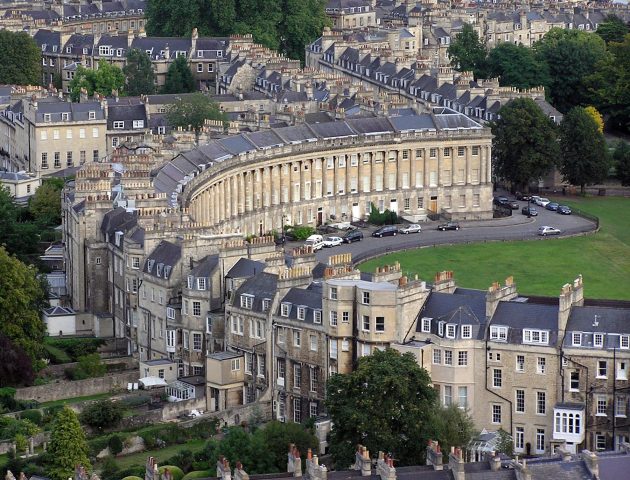
What makes Bath Abbey special is how seamlessly it fits into the city around it. Unlike some grand cathedrals that dominate their surroundings, this one feels like a natural part of Bath’s rhythm. To the south, the abbey square buzzes with life—morning markets, evening gatherings, the hum of conversation. The golden Bath stone, quarried locally, gives the city its distinctive hue, and the abbey’s walls reflect that same warm glow, especially in the late afternoon light. This stone, used in everything from grand buildings to humble doorsteps, ties the abbey to the city in a way that feels almost organic.
The details inside tell their own stories. The floor is dotted with memorial slabs, some dating back to the 16th and 17th centuries, bearing the names of abbots, merchants, and local dignitaries. The walls hold plaques commemorating figures connected to Bath, from writers to scientists. One of the most visited is the memorial to Jane Austen, who lived in the city in the early 1800s and attended services here. Her novels, filled with sharp observations of Bath’s society, still draw readers to the city, and the abbey often feels like a quiet witness to the world she described.
Beyond its historical significance, the abbey remains a living space. Services are held regularly, and the sound of choral music fills the air during concerts. In winter, candlelight casts flickering shadows on the stone, while summer brings exhibitions and events that explore its past. Visitors might spend an hour here or an entire afternoon, tracing the carvings, watching the light shift through the windows, or simply sitting in silence.
Bath itself is a city that feels like an open-air museum, and the abbey is its centerpiece. It has survived wars, fires, and the upheavals of religious change, yet it endures not just as a monument but as a place where the past and present intersect. Whether you come for the architecture, the history, or a moment of quiet reflection, the abbey offers something deeper than a typical tourist stop. It’s a reminder that some places aren’t just seen—they’re experienced.