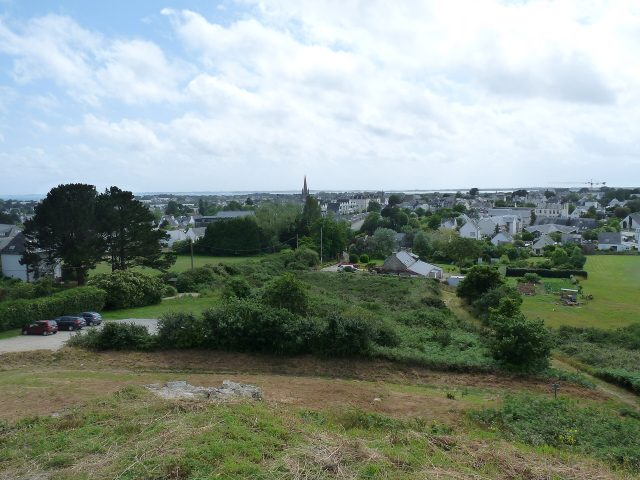
Zagreb
Croatia · 10 places
Photo: Nick Savchenko from Kiev, Ukraine, CC BY-SA 2.0
Zagreb sits quietly between the gentle slopes of Medvednica and the slow curve of the Sava River, a city that doesn’t demand attention but quietly earns it. Unlike the sun-drenched crowds of the Dalmatian coast or the grand posturing of other European capitals, Zagreb moves at its own pace. Mornings begin with the hum of trams carrying office workers past cafés where steam rises from porcelain cups, while afternoons belong to students sprawled in libraries or parks, books and conversations blending into the city’s rhythm. By evening, the streets soften under the glow of streetlamps, inviting unhurried walks where the only soundtrack is the occasional clink of glasses from a half-empty terrace or the distant chatter of friends lingering over wine. It’s a place where even first-time visitors can slip into the easy cadence of local life, as if they’ve always belonged.
The Upper Town, or Gornji grad, is where Zagreb’s history feels most tangible. Cobblestone lanes wind between pastel-colored houses, their facades worn smooth by time, while Baroque churches stand sentinel over small squares where old men play chess under the shade of chestnut trees. St. Mark’s Square, with its iconic tiled roof displaying the medieval coat of arms of Croatia, Slavonia, and Dalmatia, is the kind of place where you half-expect to see a knight in armor rounding the corner. Climb the Lotrščak Tower for a view that unfolds like a postcard—red rooftops stretching toward the horizon, the Sava River glinting in the distance, and the green expanse of parks breaking up the urban sprawl. Nearby, the Museum of Broken Relationships turns heartbreak into art, its collection of donated objects—from wedding dresses to stuffed toys—each accompanied by a handwritten story that lingers long after you’ve left.
Down in the Lower Town, or Donji grad, Zagreb takes on a different character. Here, the streets widen into grand boulevards lined with trees, and the air carries the scent of coffee from sidewalk cafés where people while away afternoons over newspapers or deep conversations. This is the Zagreb of the 19th century, when the city flourished under Austro-Hungarian rule, leaving behind a legacy of elegant secessionist buildings like the Croatian National Theatre, its golden facade catching the light like something out of a storybook. Zrinjevac Park, with its fountains and shaded promenades, is where locals gather year-round—skating on the ice rink in winter, listening to open-air concerts in summer, or simply sitting on a bench with a book. A short walk away, Dolac Market buzzes with the energy of vendors hawking fresh produce, wheels of cheese, jars of honey, and strings of smoked sausages. The air is thick with the smell of herbs, spices, and the earthy tang of just-picked vegetables, a reminder that this is a city that still lives close to the land.
What makes Zagreb special is how effortlessly it balances its layers. You can spend the morning wandering medieval streets, then step into a contemporary art gallery by noon, and by evening find yourself in a dimly lit bar sipping craft beer brewed just down the road. There’s no pressure to be dazzled, no need to chase the next big attraction. The city doesn’t rely on spectacle; instead, it offers something rarer—a sense of belonging. The people here are warm without being intrusive, proud of their city but not boastful, and there’s a quiet confidence in the way they go about their days. Zagreb doesn’t pretend to be perfect. Its sidewalks are cracked in places, some buildings could use a fresh coat of paint, and the trams, though efficient, are hardly glamorous. But that’s part of its charm. It’s a city that feels lived-in, not staged, and that authenticity is what makes it so easy to love. Whether you’re here for a weekend or a month, Zagreb has a way of making you feel like you’ve found a second home—one where the coffee is always strong, the streets are always welcoming, and the rhythm of life is just slow enough to savor.
Stay
0 placesNothing in this category yet — the catalogue is still growing.
All placesPlaces on the map
Marker colour follows the categoryClimate and weather
Detailed weather: Zagreb- Average temperature
- 14 °C
- Precipitation per year
- 898 mm
- Sunshine hours per day
- 5.7 h
Average air temperature
°C
3
6
10
14
18
24
25
25
19
14
8
4
Jan
Feb
Mar
Apr
May
Jun
Jul
Aug
Sep
Oct
Nov
Dec