Dolac Market isn’t just where Zagreb locals do their grocery shopping—it’s a living part of the city’s heartbeat, a place that has quietly shaped daily life for generations. Tucked between Zagreb’s Upper and Lower Towns, it sits at the very center of the city, though its roots as a trading spot stretch back much further than the early 20th century, when the first permanent stalls appeared. Over time, it has become something more than a market: a kind of open-air archive of the city’s changing tastes, rhythms, and even its struggles.
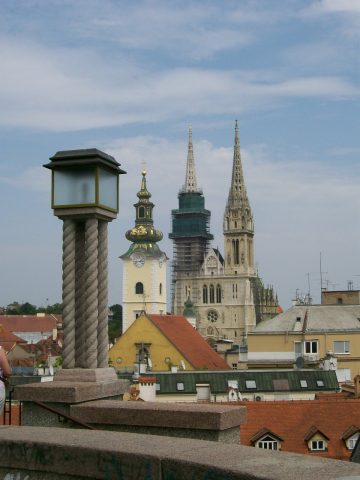
The market’s design is unassuming, built for function rather than grandeur, but that simplicity gives it a certain charm. The first wooden shelters went up in 1926, later replaced by sturdier concrete and metal structures that still let the space breathe—no walls, just open rows where people can wander freely. At its center stands a small fountain, a quiet gathering spot where regulars pause to chat or catch their breath. Above it all, the red-brick buildings of the Upper Town loom, their historic facades contrasting with the market’s everyday bustle.
Mornings at Dolac start early. By six, the place is already alive with activity. Farmers from nearby villages arrive with crates of just-picked vegetables, ripe fruit, jars of honey, and wheels of homemade cheese. Fishermen from the Adriatic coast unload their catch—silver fish still glistening with seawater. Artisans set out hand-knit socks, clay pottery, and traditional crafts. The air is thick with scents: the sharp tang of fresh herbs, the sweetness of peaches warmed by the sun, the briny hint of the sea clinging to the day’s fish. Here, you can find everything from seasonal berries to rare Istrian olive oil, pressed from olives grown on sun-drenched hillsides.
But Dolac is more than a place to shop—it’s where the city comes together. Neighbors stop to gossip, debate prices, swap recipes, or argue about politics. Vendors know their regulars by name, and in return, customers trust them to pick out the best produce. In summer, the market grows even livelier, drawing tourists who come not just for souvenirs but to soak in the real pulse of Zagreb. Locals, though, prefer the early hours, when the air is cooler and the selection is at its freshest.
The market has evolved alongside the city. In the mid-20th century, electric lights appeared, followed by refrigeration units for meat and fish. During the 1990s war, Dolac became a place of resilience, where people gathered to support one another despite hardship. Today, it looks more modern, but its spirit remains unchanged. Many of the same families still run their stalls, passing them down through generations, just as they always have.
One corner of Dolac feels like a world of its own: the flower market. Here, vendors sell everything from simple wildflower bouquets to exotic orchids. Flowers aren’t just merchandise—they’re woven into Zagreb’s culture. Locals give them for birthdays, anniversaries, or just because. On holidays, the market transforms into a fragrant garden, where the scent of roses and lavender mingles with fresh bread and coffee.
Dolac isn’t a museum, but you can learn more about Croatia here than in any guidebook. The stalls are filled with products that tell stories of local traditions: smoked cheese from Lika, fiery peppers from Dalmatia, rich wines from Slavonia. You might sample homemade walnut liqueur or buy a jar of fig jam made from a century-old recipe. The vendors are happy to share how these foods are grown, prepared, and cooked—passing down knowledge along with their goods.
By evening, the market winds down. The last shoppers drift away, vendors pack up their wares, and the street hawkers fold their tables. But Dolac doesn’t fall completely silent. The cafes and restaurants around the market stay lively, filled with people lingering over drinks, recounting the day’s events. And when the sun rises again, the cycle begins anew—with the hum of voices, the clatter of crates, the smell of fresh bread and coffee. It’s a rhythm that has played out for decades, and if Zagreb has its way, it will continue for many more.