The Museum of Broken Relationships in Zagreb is one of those rare places that feels both deeply personal and universally relatable. It began as an intimate project between two artists, Olinka Vištica and Dražen Grubišić, who, after their own breakup, decided to hold onto objects that carried memories of their time together. What started as a private collection of keepsakes gradually grew into something much larger—a museum where everyday items become fragments of human experience, each with its own quiet story. There are no traditional artworks here, no paintings or sculptures, just ordinary things that once meant something to someone: a stuffed bear, a cracked vase, an old mobile phone, a set of house keys, letters, photographs. Each object is paired with a short note, sometimes wry, sometimes heartbreaking, sometimes unexpectedly funny, but always honest.
The museum is housed in a historic palace in Zagreb’s Upper Town, a part of the city that already feels like a step back in time. The building itself, with its high ceilings, intricate moldings, and antique doors, adds to the atmosphere, its grandeur contrasting with the humble, personal nature of the exhibits. Inside, the space is arranged simply, almost like someone’s home. Objects sit on white pedestals or hang on the walls, inviting visitors to wander and read the accompanying stories at their own pace. There are no rigid paths or lengthy explanations—just the quiet invitation to reflect on the lives behind each item. It’s easy to feel like you’re glimpsing into someone’s private world, though without the discomfort of intrusion. Instead, it feels like an offer to share in something real, if only for a moment.
What makes this museum so compelling is how it transcends borders. The stories here come from all over the world—Croatia, Europe, the Americas, Asia—wherever people have loved, lost, and tried to hold onto memories. Some items were donated by celebrities, others by ordinary individuals, but in this space, they all carry the same weight. The museum doesn’t judge or analyze; it simply presents these fragments of human emotion, showing how similar our experiences can be, even when our lives are vastly different. You might read about a heartbreak caused by betrayal, a love that faded with distance, or a sudden, unexplained goodbye. Some stories are tragic, others mundane, but all of them remind you that loss is a part of being human.
The existence of this museum says something about how we deal with pain. In a world that often encourages us to hide our vulnerabilities, it offers a different approach: acknowledging that heartbreak and loss are part of life, and that sometimes, the best way to move forward is to let go—without forgetting. Many visitors come not just out of curiosity but to contribute their own stories. There’s a dedicated room where people can leave an object and a note if they wish, some anonymously, others with their names attached. These new additions become part of the ever-growing collection, a testament to how many lives have been touched by love and loss. It’s striking how often people send in items long after their relationships have ended, as if finally ready to part with a piece of their past.
The Museum of Broken Relationships has become more than just a tourist attraction; it’s a cultural phenomenon. It has received international recognition, including the prestigious European Museum of the Year Award, and has inspired similar projects elsewhere. Yet the original remains unique, not just for its concept but for its atmosphere. There’s no melodrama here, just a quiet, human quality that makes the experience feel deeply personal. Many visitors leave with a new perspective on their own relationships, the things they keep, and the stories they tell. It’s not so much a museum about broken hearts as it is about how people cope with endings and what they choose to leave behind.
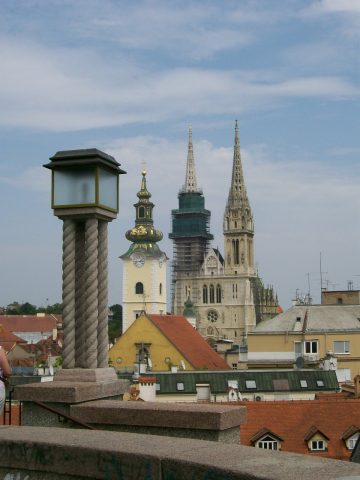
Zagreb itself is the perfect setting for a place like this. Unlike the bustling tourist hubs of Dubrovnik or Split, the Croatian capital has a quieter, more reflective energy. The Upper Town, where the museum is located, is the historic heart of the city, with its medieval towers, centuries-old churches, and narrow, winding streets. Walking through this area, it’s easy to imagine the lives that have unfolded here over the years—and how little some things have changed. Love and loss are as much a part of Zagreb’s story as its architecture, and the museum fits seamlessly into this context. It doesn’t feel like a tourist trap; it feels like a natural extension of the city’s character, a place where history and emotion intersect.
What’s interesting about the museum is how it avoids sentimentality. There’s no attempt to romanticize the past or soften the edges of reality. Many of the stories are surprisingly ordinary, even humorous. You might read about someone who donated an iron because their ex always forgot to turn it off, or a couple who broke up over their inability to agree on which TV show to watch. These small, relatable details make the exhibits feel even more real, a reminder that love and heartbreak aren’t always dramatic—they’re often just part of everyday life. The museum doesn’t try to offer answers or lessons; it simply presents these moments as they are, leaving visitors to draw their own conclusions.
That’s perhaps why the Museum of Broken Relationships resonates so deeply. It doesn’t tell you how to feel or what to think. There are no right or wrong stories here, no universal guide to moving on. Instead, it offers something different to each person who walks through its doors. For some, it’s a chance to laugh at the absurdity of love’s missteps. For others, it’s an opportunity to reflect on their own past. And for many, it’s simply a quiet space to sit with their thoughts. Whatever the reason, most people leave with the sense that broken relationships aren’t just about endings—they’re also about beginnings, even if those beginnings aren’t yet clear. And maybe that’s why people keep coming back, leaving their own stories behind for strangers to discover.