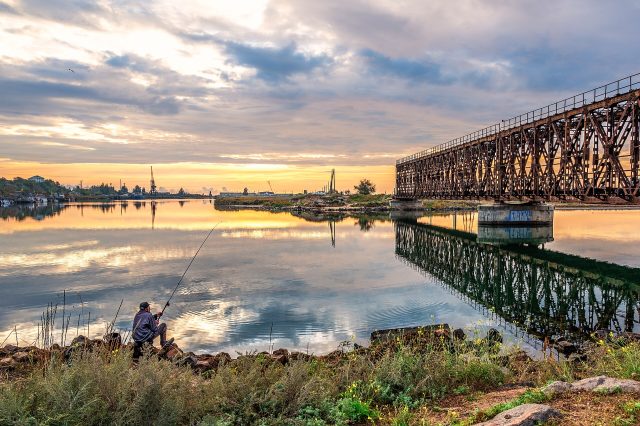
Zadar
Croatia · 8 places
Photo: Rangan Datta Wiki, CC BY-SA 4.0
Zadar
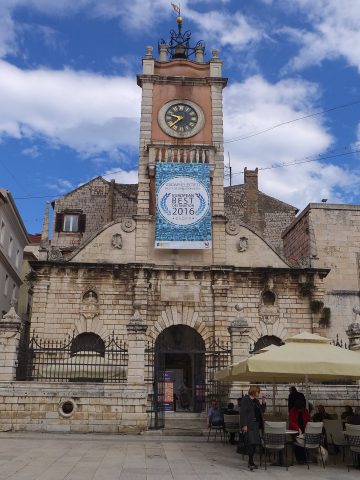
Zadar’s past isn’t locked behind glass—it’s alive in the salt air and the worn cobblestones. The city sits where history and the Adriatic meet, not with the fanfare of Split or Dubrovnik, but with a quiet persistence. Roman ruins stand beside Venetian facades, and medieval churches hide in plain sight. The Old Town doesn’t demand attention; it lets you stumble upon its layers, the sound of waves against the seawall marking time as you walk.
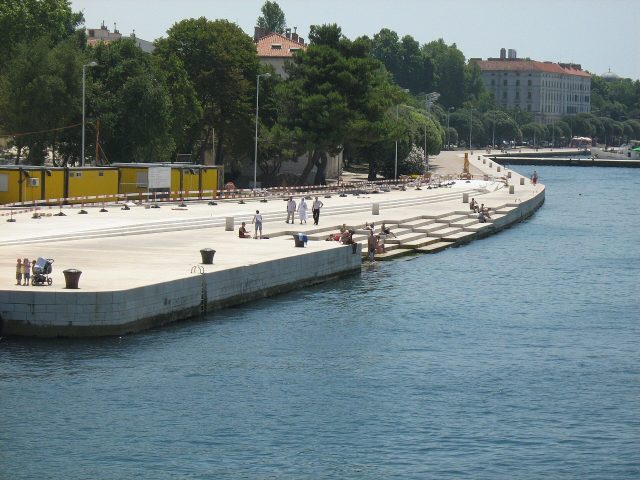
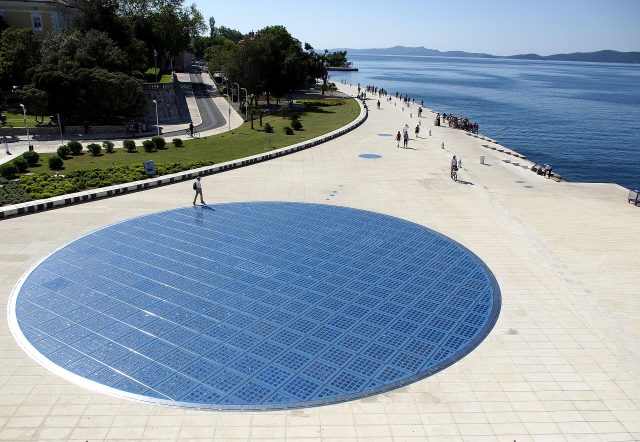
The Old Town is a tangle of limestone streets, each turn revealing something older than the last. The Roman Forum’s broken columns still hint at the markets that once filled the square. Nearby, the Sea Gate frames the islands beyond, the channel glinting in the sunlight. Along the waterfront, two modern installations feel less like art and more like part of the city’s pulse. The Sea Organ uses the tide to create a slow, shifting melody. A few steps away, the Greeting to the Sun—a circle of solar panels—lights up at dusk, reflecting the colors of the sky.
Beyond Zadar, the Adriatic holds islands shaped by time. Ferries run to Ugljan, where olive groves outnumber cars and the water is so clear it distorts the seabed. For something wilder, the Kornati Islands rise from the sea in jagged peaks, their coves empty except for the occasional fisherman’s boat. But you don’t need to leave the city to find quiet. Kolovare Beach is a short walk from the center, its pebbles warm underfoot. The taverns along the harbor serve seafood pulled from the water that morning—grilled fish, octopus salad, black risotto stained with cuttlefish ink.
Zadar’s food is what the Adriatic tastes like: simple, unadorned. Olive oil pooled on bread, sheep’s cheese aged in salt, figs so ripe they burst when you bite them. The market near the ferry terminal sells lavender honey and almonds still in their shells. In summer, festivals spill into the streets, but even on ordinary days, a konoba might serve you lunch with a side of local gossip. The wine is sharp and bright, the kind that tastes like the soil it grew in.
What stays with you isn’t the architecture or the landmarks. It’s the way the city feels when you wake up in a guesthouse with the sound of church bells drifting through the window. The beaches aren’t crowded; they’re pockets of quiet where you can read or swim without a schedule. The pace isn’t slow—it’s deliberate. That’s why people return. Not for the photos, but for the way Zadar settles into your bones, like the echo of waves against stone.
See & Do
8 places

Places on the map
Marker colour follows the categoryClimate and weather
Detailed weather: Zadar- Average temperature
- 16 °C
- Precipitation per year
- 1435 mm
- Average humidity
- 73 %
- Sunshine hours per day
- 9.7 h
- Time zone
- UTC+2 (GMT+2)
Average air temperature
°C
8
8
11
14
18
23
26
26
21
17
11
8
Jan
Feb
Mar
Apr
May
Jun
Jul
Aug
Sep
Oct
Nov
Dec