Tabriz
Iran · 8 places
Photo: Hoseinb007, Public domain
Tabriz
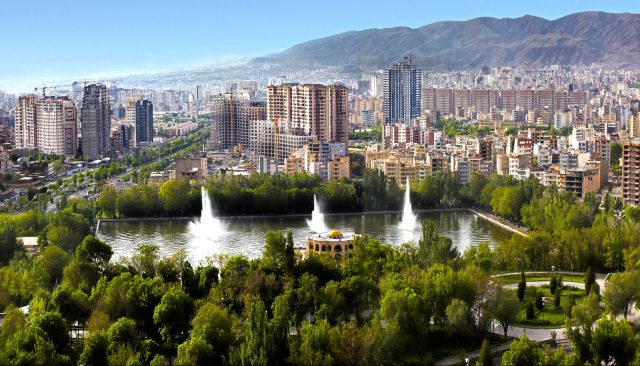
In Iran’s northwest, ringed by mountains, Tabriz moves to its own quiet beat. The air is dry, the heat easing as evening falls, even in summer. There are no crowds, no tourist traps—just streets that breathe, where the bazaar’s sudden bustle feels like part of the day, not a show for visitors. This isn’t a city for quick photos or ticking off sights. It asks you to slow down, to wander, to let its stories unfold.
The layers beneath
History here isn’t just old—it’s buried in the walls, the alleys, the way people speak. Tabriz has been a capital, a trade hub, a cultural center, ruled by Mongols, Turks, Persians. Each left something behind: a mosque’s arch, a word in the local dialect, a recipe. The old city is where this past feels closest. Narrow lanes wind past caravanserais and madrasas, their walls holding centuries of stories. The Blue Mosque, Masjid-e Jahan Shah, is a shadow of its former self—its turquoise tiles cracked, missing—but even now, you can imagine the travelers who once marveled at it.
The bazaar
This is where Tabriz lives. One of the world’s largest covered markets, it’s more than a place to shop. It’s alive: spices piled high, carpets rolled out, copper gleaming under hammered patterns. The scent of fresh bread mixes with kebab smoke. But the real work happens in the corners—weavers at looms, metalworkers shaping brass, their skills handed down over generations. The bazaar doesn’t close. It hums from dawn until late, and even if you don’t buy anything, getting lost in its alleys is reason enough to come.
Old and new, side by side
Glass towers rise near mud-brick homes with inner courtyards, where families drink tea in the evenings. The city doesn’t rush. Even in business districts, the pace is deliberate. The people—ethnic Azerbaijanis—speak their own language, keep their traditions, but welcome strangers. Stay awhile, and you might be invited for tea or a meal. Hospitality here isn’t just manners; it’s how things are done.
Beyond the city
In summer, the hills turn gold. In winter, snow covers everything, turning Tabriz quiet and white. Nearby, Lake Urmia has shrunk, but its shores still stretch wide and stark. The countryside holds villages where life hasn’t changed much—where crafts and farming follow old rhythms. Visiting them feels like stepping into another time.
Tabriz doesn’t try to be what you expect. It’s not as conservative as Kerman, not as polished as Isfahan. It doesn’t perform for tourists. It just is. That’s what stays with you—not the monuments, but the sense of a place living by its own rules. If you want the Iran beyond the guidebooks, Tabriz is here.
See & Do
8 places



Places on the map
Marker colour follows the categoryClimate and weather
Detailed weather: Tabriz- Average temperature
- 14 °C
- Precipitation per year
- 272 mm
- Sunshine hours per day
- 8 h
Average air temperature
°C
-1
2
8
13
18
24
27
27
22
15
7
2
Jan
Feb
Mar
Apr
May
Jun
Jul
Aug
Sep
Oct
Nov
Dec