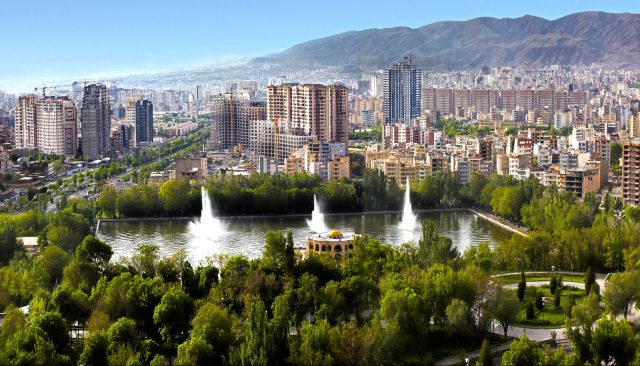
Sa’at Square is one of those places in Tabriz where time seems to slow down just enough to let you catch your breath. Nestled in the heart of the city, it’s a spot where the past lingers despite the modern hustle around it. The square’s name, which translates to "Clock Square," comes from the towering clock structure at its center—a landmark that has guided the city’s rhythm for generations. It’s more than just a piece of architecture; it’s a symbol that has witnessed the ebb and flow of life in Tabriz for centuries.
The history of Sa’at Square is deeply tied to the Qajar era, when Tabriz wasn’t just a thriving commercial hub but also served as Iran’s temporary capital. This was a time of prosperity for the city, and the square became a crossroads for politics, trade, and culture. Parades marched through here, decrees were announced, and merchants from across Persia and beyond gathered to strike deals. The clock tower, built in the early 19th century, wasn’t just ornamental—it was practical, its chimes marking the hours for bazaars, prayers, and official ceremonies. It was the heartbeat of the city, keeping time for everyone from street vendors to governors.
The architecture of the square doesn’t overwhelm with grandeur, but it has a quiet charm. The clock tower blends traditional Persian design with subtle European influences, a reflection of the era when Iran was increasingly engaging with the West. The brickwork, arches, and small balconies give it a lightness, while the clock itself—almost delicate compared to today’s towering skyscrapers—serves as a reminder of a time when it set the pace for the entire city. The surrounding buildings, many of them restored or repurposed, still carry traces of their former elegance, their facades whispering stories of a bygone era.
Today, Sa’at Square is where different layers of time coexist. On one hand, it’s a place of everyday life—cars rush by, pedestrians hurry past, and street vendors sell fresh fruit and spices. On the other, it remains a pocket of history, a place where those who seek it can still feel the spirit of old Tabriz. The square comes alive in the evenings, when the lamplight casts long shadows from the clock tower onto the cobblestones. In those moments, it’s easy to imagine the voices of merchants haggling over silk and spices, the clatter of hooves on stone, the distant call to prayer echoing through the air.
The square is framed by several buildings, each with its own story to tell. Nearby stands the former governor’s palace, where rulers and foreign dignitaries once stayed. Now it houses administrative offices, but its imposing presence still commands respect. Not far away are the old caravanserais, where merchants traveling the Silk Road would rest with their goods from India, the Ottoman Empire, and Russia. Though these structures no longer serve their original purpose, they stand as silent witnesses to Tabriz’s role as a vital trading post.
For locals, Sa’at Square isn’t just a historical site—it’s part of their daily lives. People meet here, families stroll through, and elders gather on benches to chat. On holidays, the square transforms. Markets spring up, music fills the air, and children fly kites. The most vibrant time is during Nowruz, when Tabriz celebrates the Persian New Year. The square becomes the heart of the city, filled with the scents of traditional foods and the sounds of folk music, drawing both residents and visitors into the festivities.
Unlike some of Iran’s more famous landmarks, Sa’at Square doesn’t attract crowds of tourists or rows of souvenir stalls. That’s part of its appeal. Here, you can experience the city as it truly is—a place where history and modernity coexist without fanfare. It’s ideal for those who appreciate understated beauty and want to understand how life in Tabriz unfolded centuries ago. You can duck into a small café for strong tea and fresh pastries or simply sit on a bench, watching the unhurried pace of life unfold around you.
Tabriz is a city with a deep and layered history, and Sa’at Square is one of the places where that history feels tangible. It doesn’t dazzle with spectacle, but it invites reflection on how the city has evolved over time. Here, you can sense the threads connecting past and present, see how the old blends with the new, and understand why Tabriz holds a special place in the hearts of many Iranians. Sa’at Square isn’t just a location on a map—it’s a living space that continues to breathe and change alongside the city.