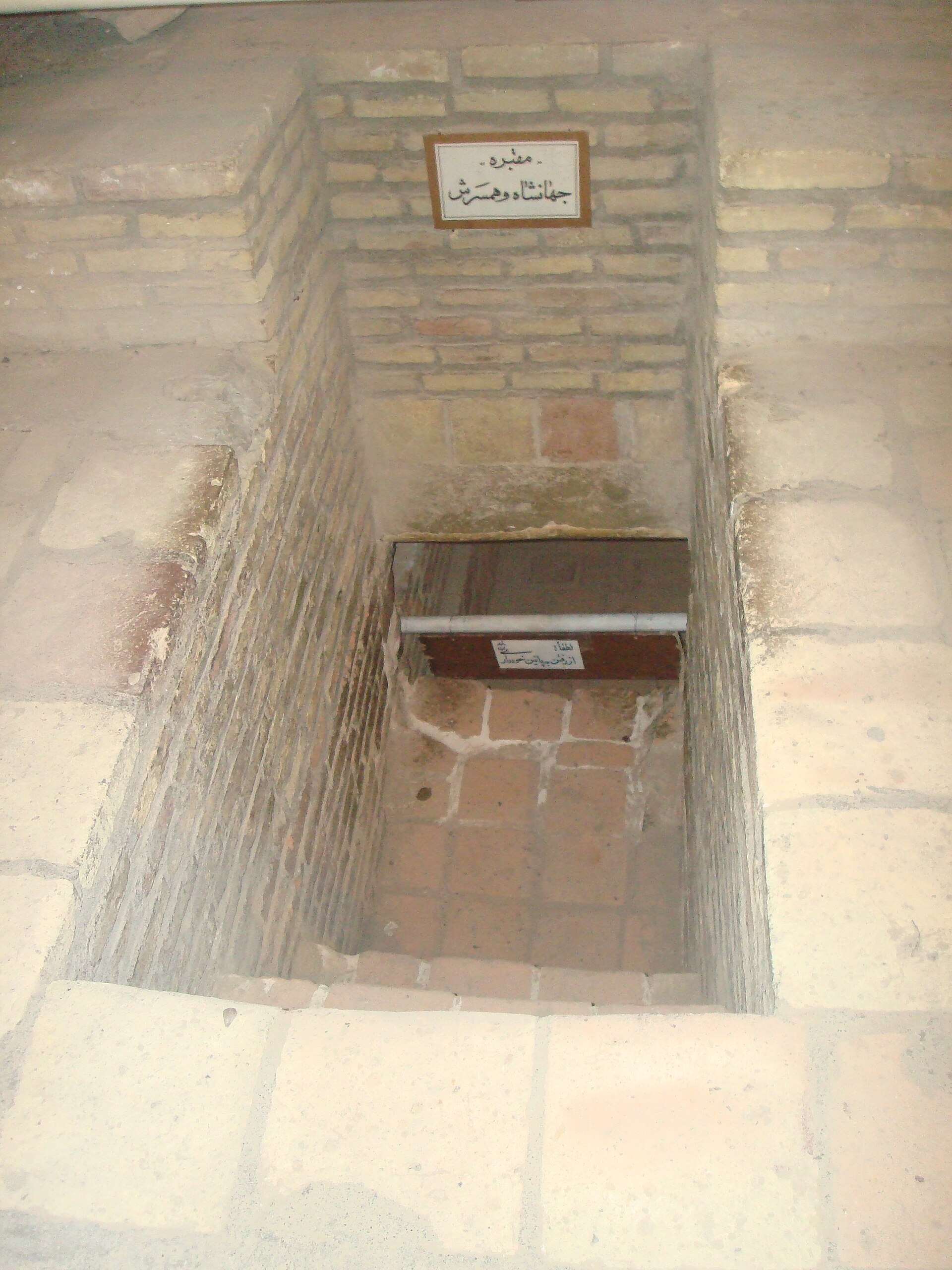
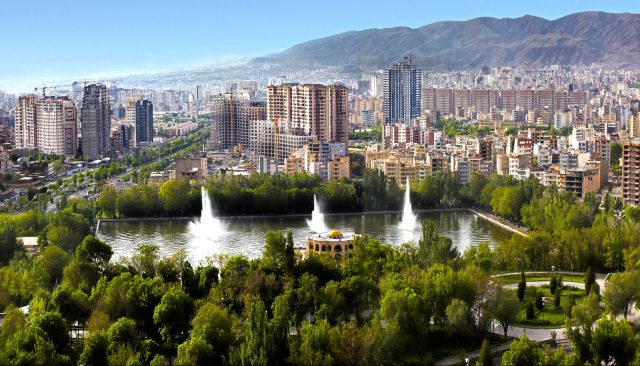
The Blue Mosque in Tabriz is one of those rare places that lingers in the mind long after you’ve seen it. Built in the mid-15th century under the rule of Jahan Shah, the leader of the Kara Koyunlu dynasty, it was meant to be a symbol of power and grandeur for an empire that stretched from modern-day Azerbaijan to Iraq. At the time, Tabriz wasn’t just a city—it was a capital, a thriving center of trade, culture, and politics. The mosque was designed to be its crowning jewel, a masterpiece that would reflect the dynasty’s ambition. Today, only fragments remain, but even those fragments tell a story of what this place must have been like in its prime.
The name "Blue Mosque" comes from the dazzling turquoise tiles that once covered its walls, arches, and domes. In Islamic architecture, blue has always carried deep meaning—it symbolized not just beauty, but divine purity and eternity. The tiles would have shimmered under the sunlight, creating an almost otherworldly glow. Sadly, an 18th-century earthquake destroyed much of the structure, and what we see now is a careful reconstruction. Yet even in its partial state, the mosque is a testament to the skill of medieval craftsmen. The main portal, in particular, is breathtaking, adorned with intricate mosaics of turquoise and cobalt, along with Arabic calligraphy so precise it feels almost alive.
Stepping inside, the atmosphere shifts. The vibrant colors of the exterior give way to a quieter, more contemplative space. The central hall, with its towering arches and remnants of faded grandeur, hints at the mosque’s past as a place of worship and gathering. In Jahan Shah’s time, it wasn’t just a religious site—it was a hub of political and social life. Diplomats were received here, alliances were forged, and decisions that shaped the empire were made within these walls. Today, it feels more like an open-air museum, a place where history is tangible in every worn stone and weathered inscription.
One of the most striking features is the mihrab, the niche that points toward Mecca. In the Blue Mosque, it was crafted with extraordinary care, its carved stone and traces of gilding still visible despite the passage of centuries. Nearby, fragments of calligraphy in the *sulus* script—a style once considered the height of elegance in the Islamic world—remain. These inscriptions aren’t just decoration; they’re verses from the Quran and praises to God, a reminder that the mosque was, above all, a place of spiritual reflection.
The mosque is surrounded by a small courtyard, where a madrasa and library once stood. Now, it’s a quiet space, disturbed only by the occasional footsteps of visitors or locals coming to pray. In summer, the shade of the arches offers relief from the scorching heat, while in winter, snow settles on the ancient stones, creating a striking contrast with the blue tiles. Tabriz has always been a city of extremes—harsh winters, sweltering summers—and the mosque seems to embody that duality. It feels both fragile and enduring, a relic of the past that still breathes.
The Blue Mosque isn’t just an architectural landmark; it’s a witness to an era when Tabriz was one of the cultural hearts of the Middle East. In the 15th century, the city attracted the finest artists, calligraphers, and architects of the time, many of whose names have been lost to history. Their work was part of a grand vision—to create a space where faith, art, and power coexisted in perfect harmony. Time has worn away much of that vision, but the essence of it remains, woven into the very fabric of the mosque.
Today, the Blue Mosque is one of Tabriz’s most visited sites, though it doesn’t draw the same crowds as more famous Iranian mosques. Perhaps that’s because the city lies off the usual tourist trail, or maybe because the mosque demands something from its visitors—time, attention, a willingness to look beyond the surface. There are no hurried tourists here, no snap-and-go photography. Instead, there’s space to sit on the old stones, listen to the silence, and imagine what this place must have been like six centuries ago. That, in the end, is the mosque’s greatest gift: it doesn’t try to impress. It simply exists, inviting each visitor to find their own meaning in its quiet beauty.