- Home
- South Korea
- Jeju Island
Jeju Island
South Korea · 3 places
Photo: Sasha Friedman, CC BY-SA 2.0
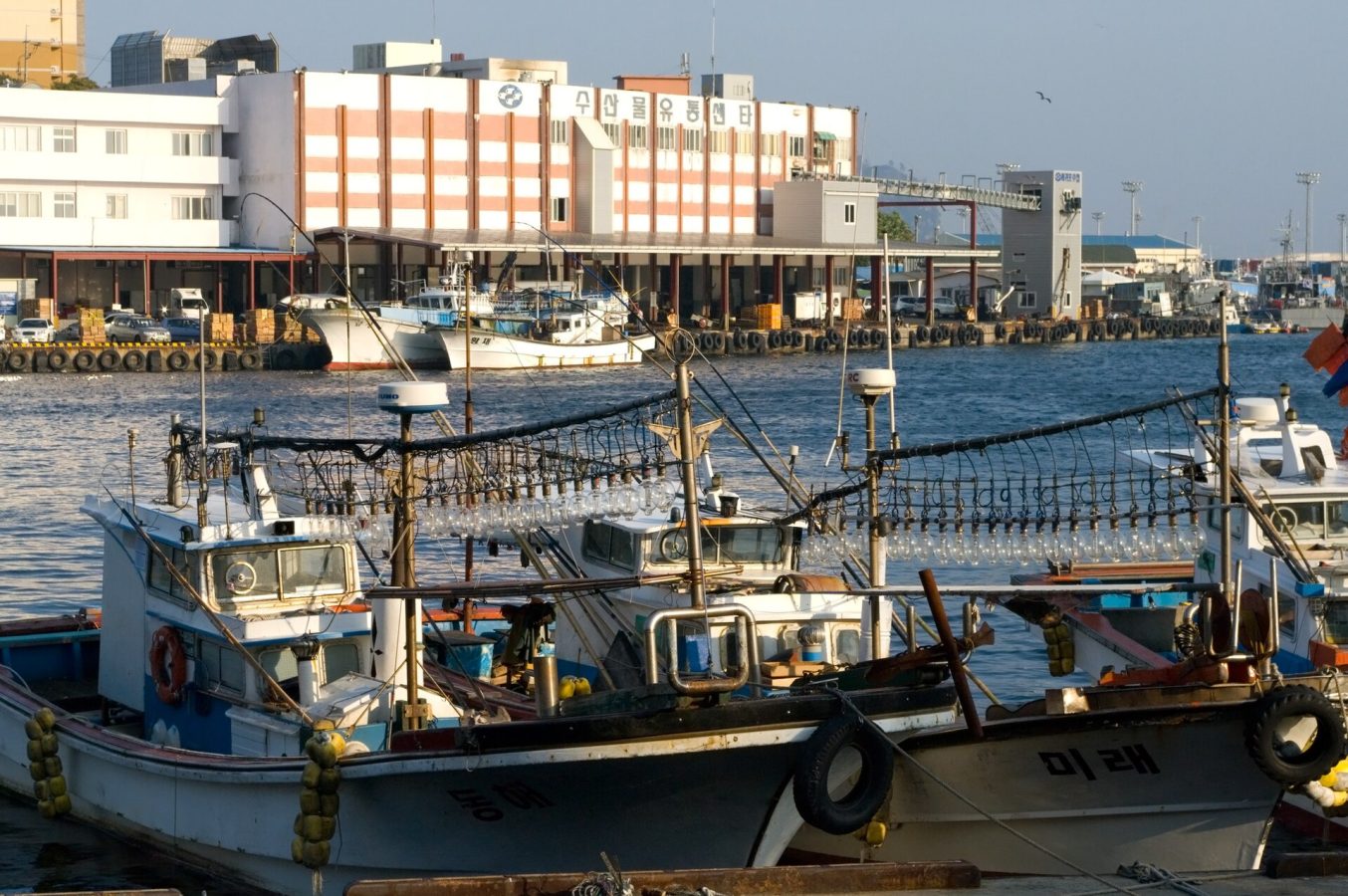
Seogwipo sits on the southern edge of Jeju Island, where the sea blurs into the sky and the landscape shifts between deep greens and blues. Unlike the restless energy of Seoul or Busan, this city moves at a slower pace—wide beaches of black volcanic sand, cliffs worn smooth by the waves, and a wind that never quite stills. The main street runs along the coast, lined with small cafés and shops selling local crafts, a place where you can wander without hurry, stopping whenever something catches your eye.
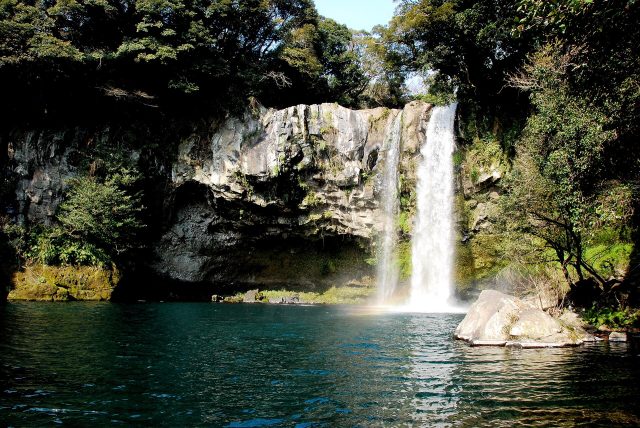
In summer, the crowds gather near the waterfront, but step away from the busiest spots and you’ll find yourself among quiet rice fields or on a path leading to a waterfall. Jeju is often called Korea’s Hawaii, and Seogwipo feels like its quieter side—no towering buildings, just fishing villages where life still follows the rhythm of the tides. Take Seongsan, for instance, where the jagged peak of Seongsan Ilchulbong rises from the sea like a fortress. At dawn, visitors climb its slopes to watch the sun spill gold across the crater. By evening, fishermen return with their catch, and the harbor fills with the scent of grilled mackerel. For a moment, the place doesn’t feel like a tourist destination at all—just a town where people live as they always have.
The island’s natural beauty is impossible to ignore, and Seogwipo is right at its heart. Beneath the surface, the Manjanggul lava tubes stretch for miles, their underground rivers and stalactites forming a hidden world. The Olle Trail winds along the coast, revealing dramatic cliffs and endless ocean views. In Hallim Park, bamboo groves shelter ancient dolmens, their weathered stones standing among the trees. On clear days, the neighboring islands seem close enough to touch, tempting you to board a ferry and explore.
The climate here is mild, almost subtropical. Winters rarely dip below freezing, and in summer, the sea breeze takes the edge off the heat. Locals say that even winter on Jeju feels like spring. The island is famous for its tangerines, a symbol of the region, and during harvest season, the air is thick with their sweet scent. You can learn about their cultivation at the tangerine museum, where you might also sample marmalades or liqueurs made from the fruit.
Seogwipo doesn’t try to be like other Korean tourist hubs. There are no sprawling malls, just fresh seafood in unassuming restaurants and herbal teas brewed from plants gathered on Hallasan. At night, the streets stay lively—music spills from bars, and groups gather along the waterfront. The city doesn’t rush you. Instead, it lets you settle into the island’s own unhurried pace, where time feels a little different.
See & Do
3 places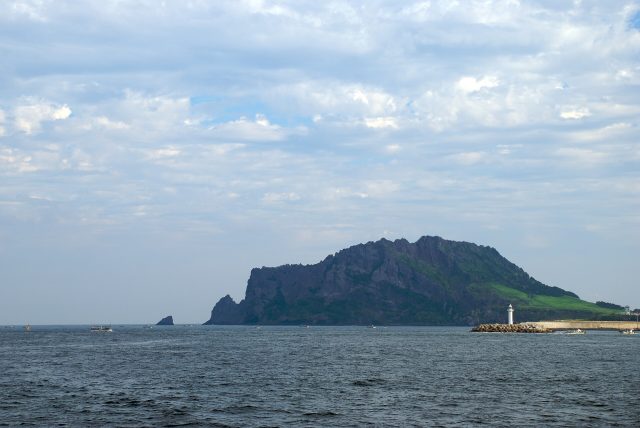
Places on the map
Marker colour follows the categoryClimate and weather
Detailed weather: Jeju Island- Average temperature
- 17 °C
- Precipitation per year
- 0 mm
Average air temperature
°C
8
9
12
15
19
22
26
28
25
20
15
9
Jan
Feb
Mar
Apr
May
Jun
Jul
Aug
Sep
Oct
Nov
Dec