- Home
- North Korea
- Sariwon
Sariwon
North Korea · 3 places
Photo: Clay Gilliland, CC BY-SA 2.0
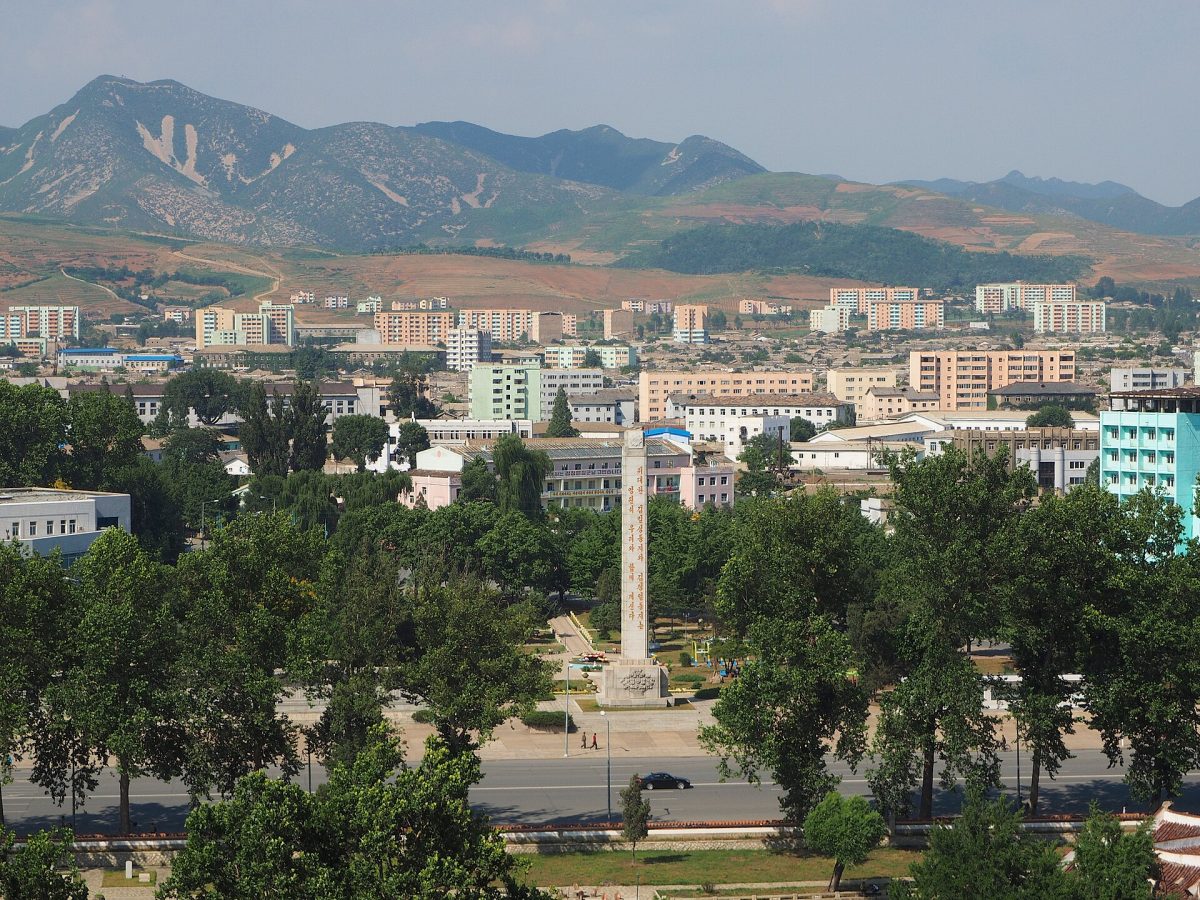
Sariwon is one of those places that rarely makes it into travel guides, and that’s precisely what makes it quietly compelling. Tucked away in the heart of North Korea, it sits along the banks of the Chonchon River, surrounded by gentle hills blanketed in forests and farmland. There’s no rush here, no relentless pace of a big city—just a steady rhythm, as if time itself has settled into an unhurried cadence. Sariwon doesn’t try to dazzle visitors with grand attractions, but in its understated way, it offers something far more intriguing: a glimpse of everyday life in the country, unfiltered and unpolished.
The city’s identity is shaped by its role as a key transport hub. The railway running through Sariwon connects Pyongyang to the northern regions, and the station hums with its own kind of energy. Locals come and go, greeting relatives or boarding trains, while freight cars rumble past, carrying goods to markets and factories. Industry here is modest but steady—textile mills and food processing plants provide jobs, and the surrounding fields yield rice and vegetables that find their way onto tables across the region. Yet the city doesn’t feel dominated by its industrial side. Instead, it strikes a balance, a place that works hard but still manages to feel lived-in and comfortable.
The center of Sariwon is small but carries its own charm. The main street, wide and straight, leads to a central square where parades and public events unfold during holidays. On ordinary days, the square is quiet—children play, elderly residents sit on benches watching the world go by, and people stroll without hurry. The architecture is a mix of low-slung traditional Korean buildings and more modern concrete structures, their facades weathered by time. Parks and plazas are dotted with statues of the country’s leaders, but they don’t feel imposing. They’re simply part of the landscape, familiar and unremarkable to those who call Sariwon home.
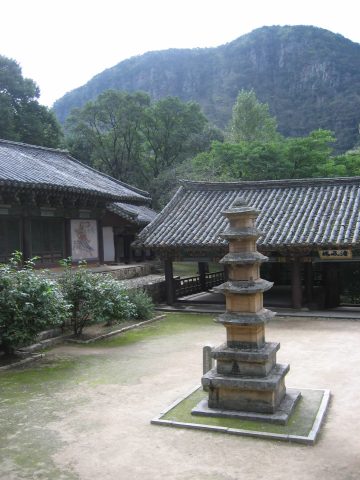
Beyond the city limits, the countryside offers a few escapes for those looking to step away from urban life. Nearby Mount Chonma rises with its forested trails and small Buddhist temples hidden among the trees, their presence subtle and serene. The Chonchon River valley spreads out in a patchwork of rice fields, especially striking in late summer when the golden stalks sway in the breeze. Locals often come here for picnics or weekend outings, drawn by the clean river water and the willow-lined banks that frame the scene with quiet beauty.
Sariwon isn’t a place for those seeking luxury or spectacle. There are no five-star hotels, no flashy entertainment complexes, no trendy cafes. But that’s exactly why it feels authentic—it exists on its own terms, untouched by the expectations of outsiders. For travelers willing to look beyond Pyongyang’s grandeur or the country’s ideological symbols, Sariwon offers something rare: a chance to sense the pulse of ordinary life in North Korea, unscripted and unadorned. It’s not a destination for everyone, but for those who find curiosity in the unassuming, it might just leave an impression that lingers.
See & Do
All of them
Places on the map
Marker colour follows the categoryClimate and weather
Detailed weather: Sariwon- Average temperature
- 12 °C
- Precipitation per year
- 1181 mm
- Sunshine hours per day
- 5.5 h
Average air temperature
°C
-2
-0
6
12
17
22
25
26
22
15
7
-1
Jan
Feb
Mar
Apr
May
Jun
Jul
Aug
Sep
Oct
Nov
Dec