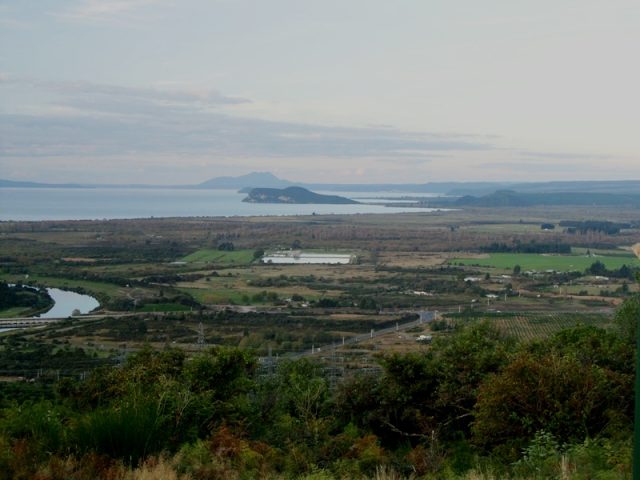
Bolgatanga
Ghana · 8 places
Photo: Hugues, CC BY-SA 2.0
Bolgatanga sits quietly in northern Ghana, far from the well-trodden paths of the country’s more famous destinations. There are no crowded beaches, no souvenir hawkers following you down the street, no polished tour buses lining up outside attractions. Instead, the city moves to the rhythm of everyday life, where tradition and nature shape the days. The landscape here is one of rolling savanna, low hills, and scattered trees, where the air carries the scent of dust, woodsmoke, and the spices of local cooking. This is Ghana without the gloss—unfiltered, unhurried, and deeply real.
As the gateway to the Upper East Region, Bolgatanga offers easy access to some of the country’s most striking cultural and natural sites. The Mole National Park, one of Ghana’s largest wildlife reserves, lies a short journey away, where elephants, buffalo, and antelope roam freely. But the city itself has its own quiet charm. The central market is a riot of color and sound, a place where everything from fresh produce to handwoven fabrics and clay pottery changes hands. The hum of conversation blends languages—Dagara, Frafra, Hausa, English—creating a soundtrack that has played for generations. Here, trade isn’t just about goods; it’s about connection, about the slow, unspoken understanding between people who have known each other for years.
Bolgatanga is also a city of craftsmen, where skills are passed down through families like heirlooms. Pottery is a particular point of pride, with artisans shaping clay into vessels that are both functional and rich with meaning. Some pieces are adorned with intricate patterns, each one telling a story about local beliefs or ancestral traditions. The city is also home to weavers who produce kente cloth, though their designs differ from the more famous southern styles. The patterns here are bolder, less refined perhaps, but no less striking in their own way. You won’t find these pieces in glossy boutiques; they’re sold in modest workshops or right on the street, where the makers themselves will explain the significance behind each thread.
Life in Bolgatanga unfolds at a pace set by the sun. Mornings begin with the crow of roosters and the smell of freshly steamed couscous, a staple breakfast in many homes. By midday, the heat slows everything to a standstill, but as evening falls, the city stirs back to life. Children kick footballs on dusty pitches, music spills from open doorways, and neighbors gather outside to talk. The people here are warm and curious, and if you linger long enough, you’ll likely be invited into a home for tea or a bowl of fufu with spicy soup. There are no luxury hotels or Western-style cafes, but the guesthouses are comfortable, run by families who treat visitors like old friends.
For those drawn to history and culture, Bolgatanga has a few quiet treasures. The Tongo Hills, with their striking rock formations, rise from the savanna just outside the city. Some of these outcrops are considered sacred, places where local communities still perform rituals. Nearby, the Tenkodogo Cultural Centre houses a small but fascinating collection of artifacts—tools, masks, instruments—that offer a glimpse into the traditions of northern Ghana’s many ethnic groups. The exhibits aren’t flashy, but that’s part of their appeal; they feel like a conversation rather than a spectacle.
This isn’t a place for those seeking nightlife or luxury. Bolgatanga doesn’t try to impress; it simply exists, steady and unchanging. The roads are unpaved in places, the power flickers now and then, and the internet is slow. But that’s the point. Here, time moves differently. There are no itineraries to follow, no crowds to navigate. Just the slow, steady pulse of a city that has found its own way of being—and invites you to step into its rhythm, if only for a little while.
See & Do
All of them


Stay
All of themPlaces on the map
Marker colour follows the categoryClimate and weather
Detailed weather: Bolgatanga- Average temperature
- 30 °C
- Precipitation per year
- 864 mm
Average air temperature
°C
29
32
34
34
32
29
28
27
27
29
30
29
Jan
Feb
Mar
Apr
May
Jun
Jul
Aug
Sep
Oct
Nov
Dec