- Home
- Philippines
- Paoay Lake

Paoay Lake
Philippines · 8 places
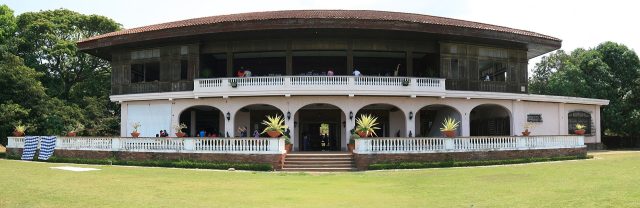
Photo: Giovanni G. Navata, CC BY-SA 3.0
Paoay is one of those rare places in the Philippines where time seems to slow down, and history lingers in the air like the scent of salt and old stone. Tucked away on the northwestern coast of Luzon, far from the well-trodden tourist trails, this quiet town feels more like a large village than a bustling city. There are no towering skyscrapers or crowded streets here—just low-slung houses with terracotta roofs, swaying palm trees, and long stretches of black sand beaches shaped by ancient volcanic eruptions. Life moves at its own unhurried pace, dictated by the tides and the rhythm of the sea. Paoay doesn’t try to impress; it simply exists, holding onto a kind of authenticity that’s increasingly hard to find elsewhere in the country.
The town’s most striking landmark is the Church of Saint Augustine, better known as Paoay Church. Built in the late 18th century from coral stone and brick, it stands as one of the most remarkable examples of Spanish colonial architecture in the Philippines. The church is both sturdy and graceful, its massive buttresses resembling fortress walls while its soaring towers lend it an air of grandeur. Inside, the cool, dim interior smells of aged wood, and the walls are adorned with faded yet still-vibrant frescoes. Recognized as a UNESCO World Heritage Site in 1993, the church draws not only pilgrims but also those with an interest in history and architecture. It’s a place where the past feels tangible, as if the centuries-old stones could tell stories of the people who once gathered within its walls.
The sea is the heartbeat of Paoay. The locals live by its rhythms, fishing, cultivating seaweed, and gathering shellfish along the shore. The beaches here are quiet, with boats pulled onto the sand and fishing nets draped over bamboo poles to dry. The water is clear but not the turquoise of southern resorts—it’s a deeper, moodier blue, and the waves can be unpredictable, especially during the monsoon season. Yet for those seeking solitude, the black sand beaches offer a kind of peace that’s hard to come by in more tourist-heavy spots. The sand, warm underfoot, stretches endlessly, and the only sounds are the occasional calls of fishermen mending their nets or the rustle of palm fronds in the breeze.
Beyond the town, the landscape unfolds in gentle hills and emerald rice terraces that cascade toward the coast. Small farms dot the countryside, growing tobacco, corn, and vegetables, while the morning market buzzes with the sale of fresh fish, tropical fruits, and local specialties like dried shrimp and smoked fish. The food in Paoay is simple but flavorful—grilled seafood drizzled with a tangy chili-lime sauce, rice served with every meal, and *bibingka*, a traditional rice cake baked over charcoal and topped with coconut milk. The town’s eateries are unpretentious, often just roadside stalls where the food is cooked in front of you, filling the air with the smoky aroma of grilling fish and spices.
What makes Paoay special isn’t grand hotels or flashy attractions, but something far more elusive: a sense of stillness, of life unfolding at its own unhurried pace. It’s a place where you can wander down narrow streets, peering into tiny shops selling handmade shell crafts, or spend an afternoon sitting on the beach, watching the sunset paint the sea in shades of pink and gold. Paoay isn’t for those chasing adventure or constant entertainment. It’s for travelers who want to pause, breathe, and experience the Philippines as it once was—unspoiled, unhurried, and deeply real.
See & Do
All of them
Places on the map
Marker colour follows the categoryClimate and weather
Detailed weather: Paoay Lake- Average temperature
- 28 °C
- Precipitation per year
- 1995 mm
- Sunshine hours per day
- 8 h
Average air temperature
°C
26
26
27
29
30
29
28
28
28
28
28
27
Jan
Feb
Mar
Apr
May
Jun
Jul
Aug
Sep
Oct
Nov
Dec