Weather overview
The weather in Ngorongoro is mild year-round, with temperatures rarely straying far from comfortable. The highlands of Ngorongoro offer a cooler climate compared to much of Tanzania, making it a pleasant destination even during warmer months. However, the seasons still bring noticeable changes, particularly in rainfall and humidity.
From June to September, Ngorongoro experiences its driest period, with clear skies and cooler nights. This is often considered the best time to visit, as wildlife viewing is at its peak. The rainy seasons, particularly March to May and November to December, bring heavier showers, which can make some roads and trails more challenging to navigate.
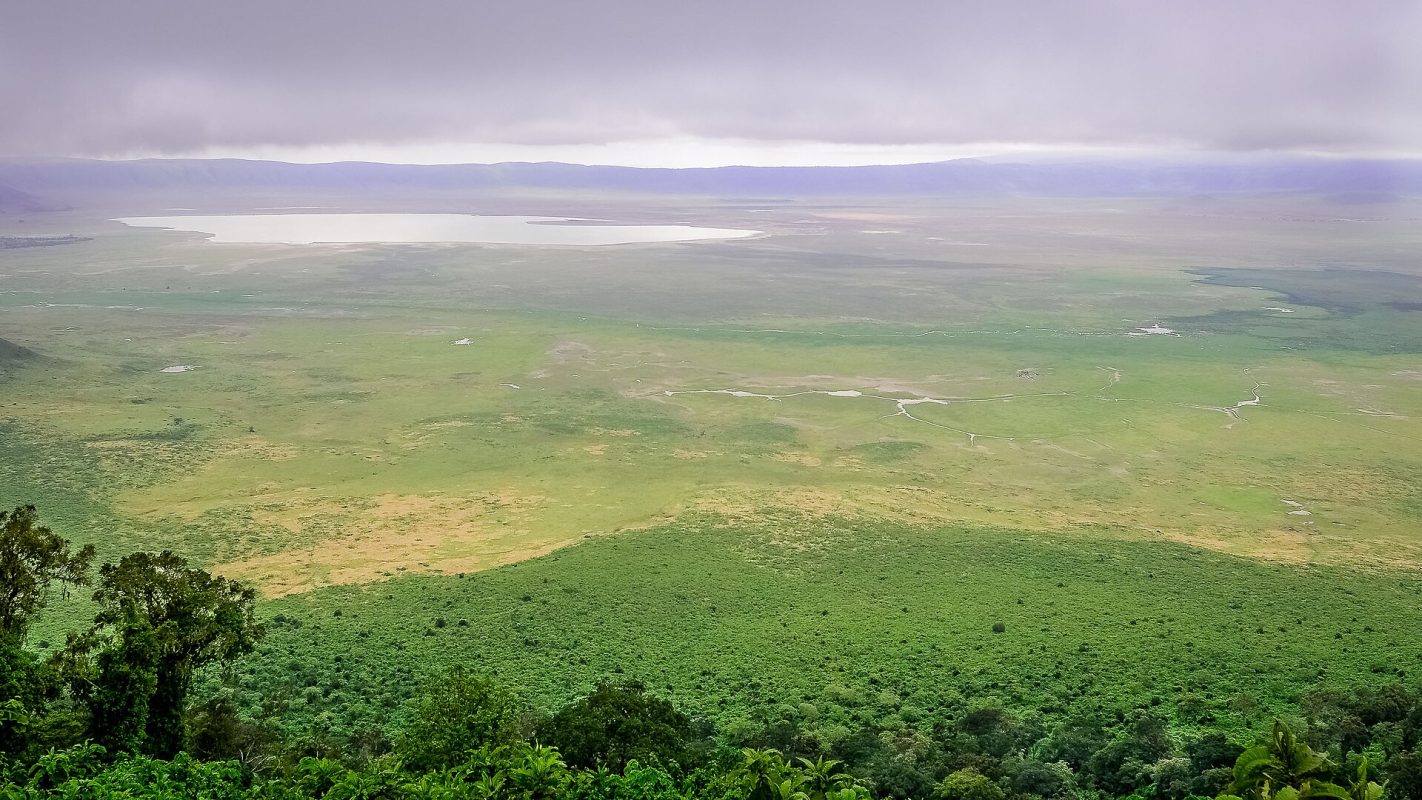
Despite the rain, Ngorongoro remains lush and vibrant during these months, with fewer tourists and stunning landscapes. The transitional periods, like January to February and October, offer a mix of conditions, balancing warmth and occasional showers.
Temperature
Temperatures in Ngorongoro are relatively stable, with daytime highs averaging between +17 °C and +21.7 °C throughout the year. The warmest month is February, when the mercury can reach +21.7 °C, while the coolest nights occur in July, dipping to +7.8 °C. Evenings and early mornings can be chilly, especially in the dry season, so layers are essential.
The dry season, from June to September, sees the coolest temperatures, with daytime highs around +17 °C and nighttime lows dropping to +7.8 °C in July. In contrast, the rainy seasons bring slightly warmer conditions, with March and April hovering around +14.5 °C to +18.8 °C. The neutral months, like October and November, offer a gentle transition, with temperatures settling between +15.1 °C and +21 °C.
Travelers should note that Ngorongoro’s elevation keeps temperatures moderate, but the variation between day and night can be significant. Packing for both warmth and cooler conditions will ensure comfort, whether you're exploring the crater at dawn or enjoying a sunset safari.
| Month | Minimum | Maximum |
|---|---|---|
| January | 11.1 | 20.2 |
| February | 11.6 | 21.7 |
| March | 11.7 | 20.6 |
| April | 12 | 18.8 |
| May | 10.9 | 17.9 |
| June | 9 | 17 |
| July | 7.8 | 17 |
| August | 8 | 18 |
| September | 9 | 20.4 |
| October | 10.2 | 21 |
| November | 11.2 | 20.5 |
| December | 11.2 | 20.1 |
Precipitation
Rainfall in Ngorongoro is highly seasonal, with two distinct wet periods. The long rains occur from March to May, bringing consistent showers, particularly in April, when precipitation reaches 136 mm. The short rains arrive in November and December, with December being the wettest month at 211 mm. These rains transform the landscape, filling waterholes and painting the crater in vivid greens.
The dry season, from June to September, is almost rain-free, with July and August seeing just 30 mm of precipitation each. This period offers the most reliable conditions for wildlife spotting, as animals congregate around dwindling water sources. The neutral months, like January, February, and October, see moderate rainfall, with January receiving 146 mm and October around 60 mm.
While the rain can make some areas of Ngorongoro muddy and harder to access, it also brings a unique beauty to the region. The short rains in November are often brief and intense, while the long rains in April can be more persistent. Travelers should prepare for wet conditions if visiting during these months, but the rewards—lush scenery and fewer crowds—can make it worthwhile.
| Month | Precipitation |
|---|---|
| January | 146 |
| February | 61 |
| March | 137 |
| April | 136 |
| May | 81 |
| June | 44 |
| July | 30 |
| August | 30 |
| September | 39 |
| October | 60 |
| November | 123 |
| December | 211 |
What to pack
Packing for Ngorongoro depends largely on the time of year. During the dry season, from June to September, layers are key. Mornings and evenings can be chilly, with temperatures dropping to +7.8 °C, so a warm jacket, gloves, and a hat are essential. Daytime temperatures are mild, so lighter clothing is comfortable, but a long-sleeved shirt will protect against the sun and insects.
If visiting during the rainy seasons, particularly March to May or November to December, waterproof gear is a must. A sturdy rain jacket, quick-drying clothing, and waterproof footwear will help navigate muddy trails. The rain can also bring cooler temperatures, so packing a mix of warm and waterproof layers is wise. Don’t forget a good pair of binoculars and a camera with a zoom lens for wildlife viewing.
Year-round, Ngorongoro’s high elevation means the sun can be strong, even on cooler days. A wide-brimmed hat, sunglasses, and sunscreen are essential. Comfortable, broken-in walking shoes are a must for exploring the crater, and a small backpack will come in handy for carrying water, snacks, and extra layers. If you’re planning a safari, neutral-colored clothing will help you blend into the landscape.
| Month | Wind speed | Direction |
|---|---|---|
| January | 0.6 | 43 |
| February | 0.9 | 63 |
| March | 1.2 | 89 |
| April | 1.8 | 102 |
| May | 2 | 99 |
| June | 1.9 | 94 |
| July | 1.9 | 101 |
| August | 2.1 | 102 |
| September | 2 | 104 |
| October | 2.1 | 103 |
| November | 1.9 | 103 |
| December | 0.8 | 91 |