- Home
- South Africa
- East London
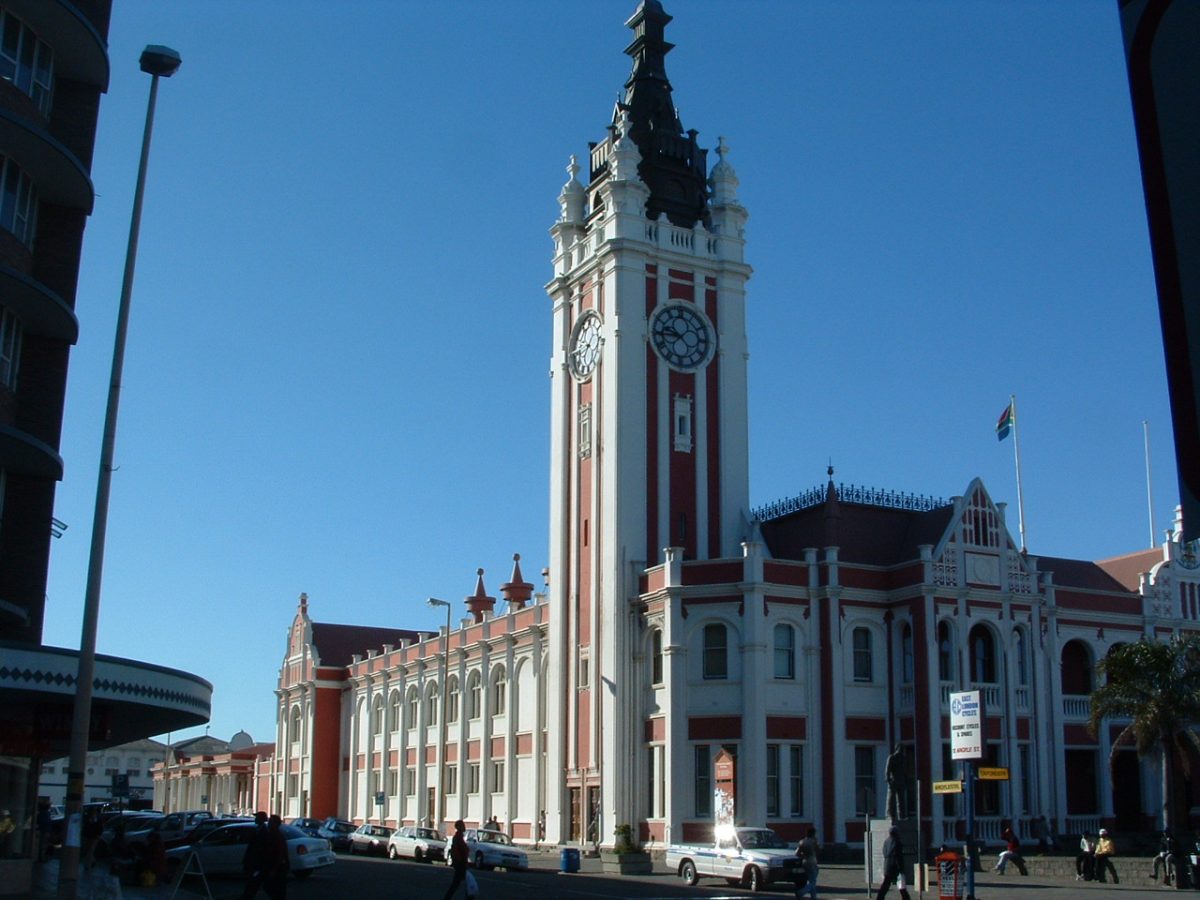
East London
South Africa · 3 places
Photo: Wikimedia Commons, Public domain
East London sits where the Indian Ocean meets the mouth of the Buffalo River, a quiet stretch of South Africa’s eastern coast. It’s a place shaped by water—by the rhythm of waves against the shore and the slow drift of the river toward the sea. Unlike Cape Town’s bustle or Durban’s polished tourist appeal, this city moves at its own pace, unhurried and unpretentious. The beaches here are wide and windswept, the kind where you can walk for miles without seeing another soul, the sand cool underfoot even in the midday sun.
The city’s past lingers in the details. British settlers built a fort here in the 1800s, a strategic outpost against Zulu raids, and later, the port grew into a lifeline for goods moving between the coast and the interior. Today, the old docks tell that story in layers—rusted cranes stand beside sleek yachts, and weathered warehouses now house cafes where fishermen and office workers share tables over coffee. The colonial architecture in the center has a worn-in charm, with low-slung buildings wrapped in verandas, their red-tiled roofs faded by decades of salt air. Some have been repurposed into shops or apartments, while others still serve their original purpose, quietly anchoring the city’s identity.
Locals call it East Lon, a nickname that suits its laid-back personality. Mornings start with the catch of the day being unloaded along the waterfront, the air thick with the scent of salt and diesel. On weekends, families spread out picnics on the grassy patches near the river, while surfers wax their boards in the parking lots of the less crowded beaches. There are no high-rise hotels or flashy nightclubs here, just small guesthouses with ocean views and seafood shacks where the menu changes with what the fishermen bring in. The food is simple but flavorful—a mix of British comfort and African spice. You’ll find fish and chips alongside game meat stews, or a plate of curry that’s just the right side of fiery.
What draws people to East London isn’t the promise of luxury or excitement, but the chance to step into a slower, wilder version of the coast. The shoreline is jagged, with dunes rolling into rocky headlands and hidden coves where the water turns an impossible shade of blue. Inland, nature reserves offer glimpses of elephants, rhinos, and antelope, while the Buffalo River itself is home to crocodiles and hippos, a reminder that this is still a place where the wild has room to breathe. For those who come, the appeal is simple: surfing at dawn, fishing off the pier, or just sitting on the sand with a thermos of coffee, watching the tide roll in. It’s the kind of quiet that doesn’t demand attention, but once you find it, it’s hard to leave.
See & Do
3 places
Places on the map
Marker colour follows the categoryClimate and weather
Detailed weather: East London- Average temperature
- 15 °C
- Precipitation per year
- 2017 mm
- Sunshine hours per day
- 7 h
Average air temperature
°C
18
19
17
16
15
13
12
12
13
14
15
17
Jan
Feb
Mar
Apr
May
Jun
Jul
Aug
Sep
Oct
Nov
Dec


