- Home
- South Africa
- Durban
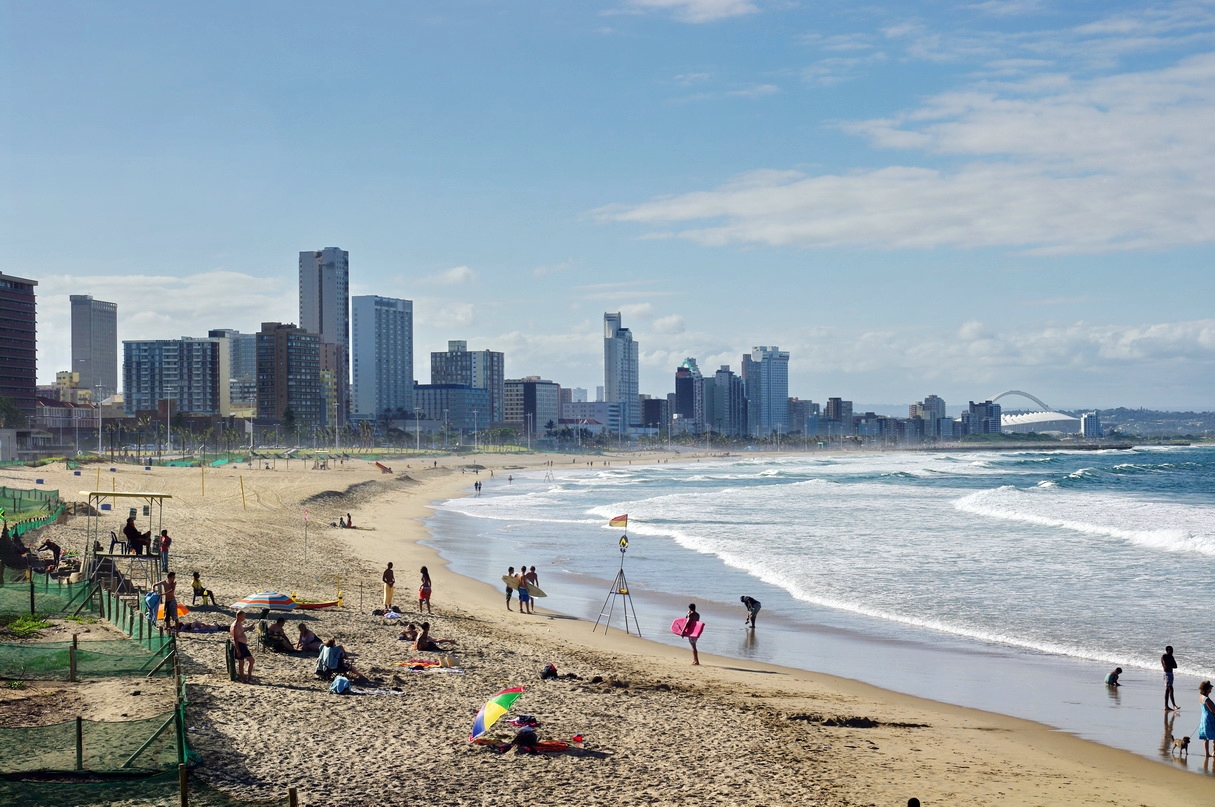
Durban
South Africa · 6 places
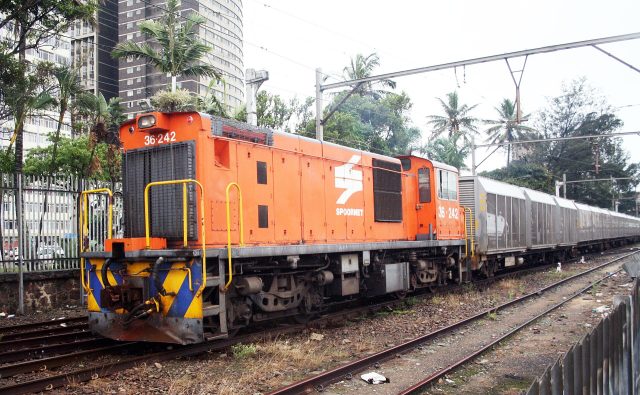
Photo: Bgabel, CC BY-SA 3.0
Durban is where the ocean collides with the pulse of the city, where tropical greenery spills over into sleek high-rises and the air carries the scent of salt, spices, and strong coffee brewing somewhere nearby. The warmth here lingers even in winter, as if the sun refuses to let go. It’s a place where mornings begin on the sand and evenings dissolve into the hum of waterfront bars, where languages and music weave together on the streets. Unlike other South African cities, Durban moves to its own rhythm—livelier, brighter, and just a little slower, as though time itself has decided to take it easy.
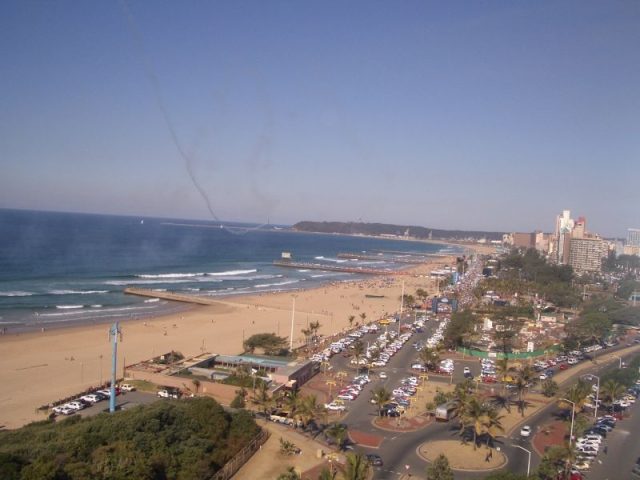
The city grew around one of Africa’s busiest harbors, and that maritime soul is woven into its fabric. The port isn’t just a place of industry; it’s part of the landscape, where towering cranes stand beside sleek yachts and the briny tang of the sea mixes with the aroma of seaside cafés. You can watch massive container ships glide into the bay while fishermen mend their nets on the shore. The Golden Mile, the city’s famous beachfront, is where the tourist heartbeat is strongest—wide sands, a promenade buzzing with cyclists, street performers, and surfers chasing waves that are gentler than Cape Town’s but far more forgiving, making Durban a perfect playground for beginners.
Durban is a cultural melting pot, shaped by Zulu traditions, Indian influences, European settlers, and countless other communities. The Indian presence is impossible to miss, especially in the food. The city’s curries, brought over by laborers in the 19th century, are legendary—spiced to perfection and served with a side of history. Victoria Street Market is the place to dive in: sample fiery dishes, scoop up spices by the handful, or wander past stalls selling everything from silk saris to handmade jewelry. If you’re lucky, you might catch Diwali, when the streets glow with thousands of lights, transforming the city into something magical.
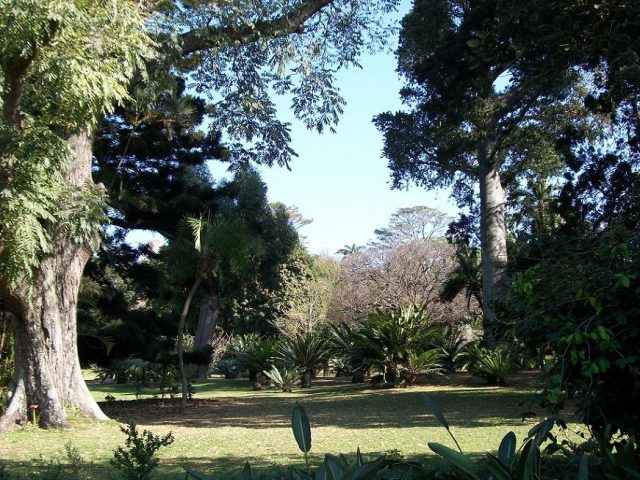
Beyond the beaches and markets, Durban’s surroundings offer a different kind of escape. The Durban Botanic Gardens, one of Africa’s oldest, is a quiet oasis where rare plants thrive under the shade of towering trees. A short drive away, the hills of Zululand hold traditional villages where you can learn about Zulu culture firsthand. Further still, the iSimangaliso Wetland Park teems with wildlife—hippos wallowing in rivers, crocodiles lurking in the shallows, and, if you visit at the right time, whales breaching just offshore.
The city isn’t without its contrasts. Next to luxury hotels and trendy restaurants, there are neighborhoods where life moves at an unhurried pace, where corner shops sell fresh bread and homemade jam, and family-run cafés hum with the kind of warmth that comes from generations knowing one another. Durban doesn’t try to be polished or perfect; it simply exists, flawed and vibrant in equal measure. There’s no big-city rush here, but neither is there the sleepiness of a small town. It’s a place where you can feel the heartbeat of Africa without stepping too far from the comforts of modern life.
See & Do
All of them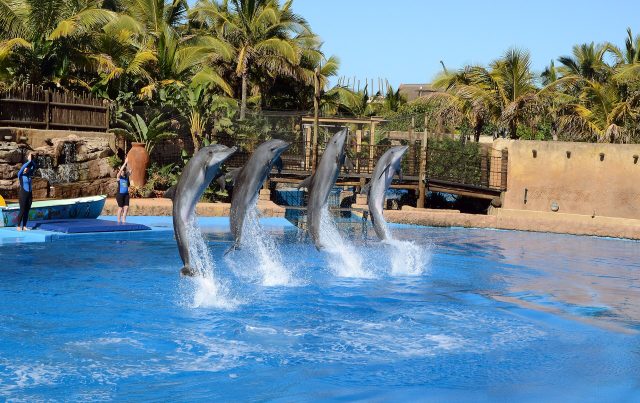
Places on the map
Marker colour follows the categoryClimate and weather
Detailed weather: Durban- Average temperature
- 21 °C
- Precipitation per year
- 954 mm
Average air temperature
°C
24
24
24
22
20
18
17
18
19
20
22
22
Jan
Feb
Mar
Apr
May
Jun
Jul
Aug
Sep
Oct
Nov
Dec


