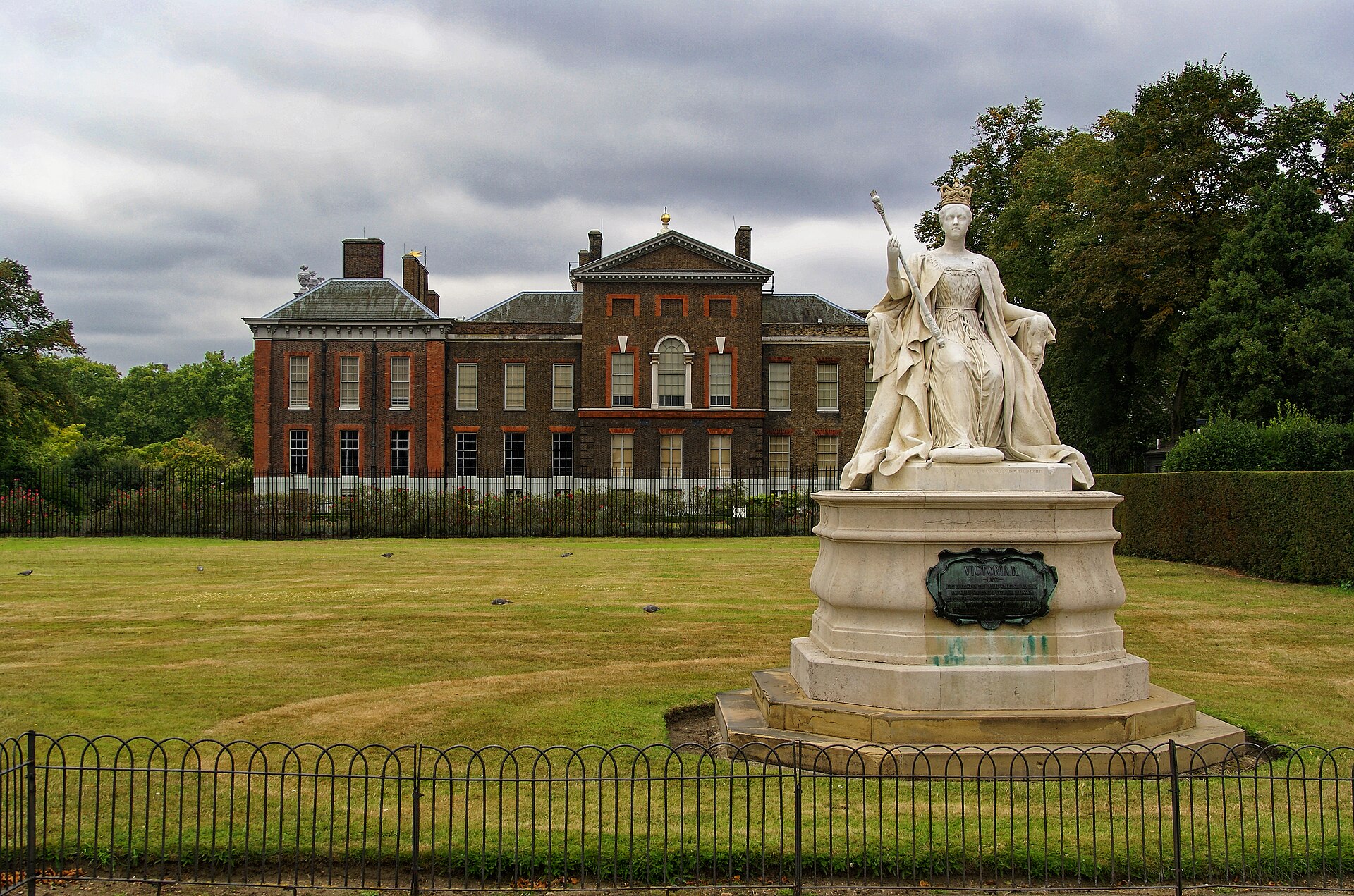
Queen Victoria Garden in East London is one of those quiet, unassuming places that feels suspended in time. Tucked away in the heart of the city, it carries the gentle charm of a bygone era, a small piece of England transplanted onto South African soil. The garden was established in the late 19th century, when British colonial influence was still deeply embedded in the region. Back then, East London was a bustling port and administrative hub, and the garden became a symbol of the connection to the empire—a carefully tended reminder of home for those far from it.
Today, the garden exudes a sense of calm that feels almost out of place in a modern city. Wide, paved pathways wind past neatly trimmed lawns and flowerbeds filled with roses and other familiar European plants. At its center, a modest fountain is surrounded by benches, a favorite spot for locals to sit and unwind. Under the shade of the trees, you might find elderly residents reading newspapers or groups of young people spreading out picnic blankets. The atmosphere is unhurried, almost sleepy, as if the rush of the city exists only beyond the wrought-iron fence.
The garden’s history is tied to Queen Victoria, though she never set foot in South Africa. It was created in her honor during the height of the British Empire, when colonial cities often mirrored the parks and public spaces of London. In those days, East London was growing rapidly, and the garden became one of the first places where residents could gather, stroll, or simply enjoy a moment of quiet. Over time, it became a fixture of the city, though it never gained the fame of Cape Town’s grander parks or Durban’s seaside promenades.
There’s nothing grand about the garden’s design. It’s simple and practical, with no towering statues or elaborate monuments—just well-kept paths, wooden gazebos, and a few stone benches engraved with dates. The layout is understated, allowing the greenery to take center stage. In a climate where the sun beats down relentlessly, the shade of the trees is a welcome relief, and the lush lawns are a rarity, carefully maintained by the city.
Queen Victoria Garden isn’t the kind of place that draws crowds of tourists. Its appeal lies in its everydayness—the way it fits seamlessly into the lives of those who live nearby. It’s a spot for reading a book, listening to the birds, or watching children play on the grass. On weekends, small concerts or local art displays might pop up, but even without them, the garden never feels empty. It has a quiet rhythm of its own, one that doesn’t demand attention but rewards those who take the time to notice.
In recent decades, the garden has become a subtle bridge between the past and the present. While it still carries the echoes of the colonial era, it has long since become a part of modern East London. People from all walks of life come here to walk, relax, or meet friends. Visitors who stumble upon it are often surprised by how naturally this little corner of England fits into the African landscape. That’s perhaps its greatest charm—it doesn’t try to be anything more than what it is, and in doing so, it feels all the more authentic.
Of course, the garden isn’t without its flaws. The pathways and fences show signs of wear, and occasional repairs are needed to keep things in order. But that only adds to its character. In an age where many parks are transformed into sleek, manicured spaces with artificial lakes and elaborate lighting, Queen Victoria Garden remains refreshingly unpolished. There’s nothing flashy here—just trees, flowers, and the quiet hum of life going on around them.
If you ever find yourself in East London, it’s worth stopping by, even if just for a short while. Not for the sake of ticking off a tourist attraction, but to experience a small piece of history that has quietly endured. Sometimes, the most meaningful places are the ones that don’t announce themselves—the ones that simply exist, waiting to be discovered.