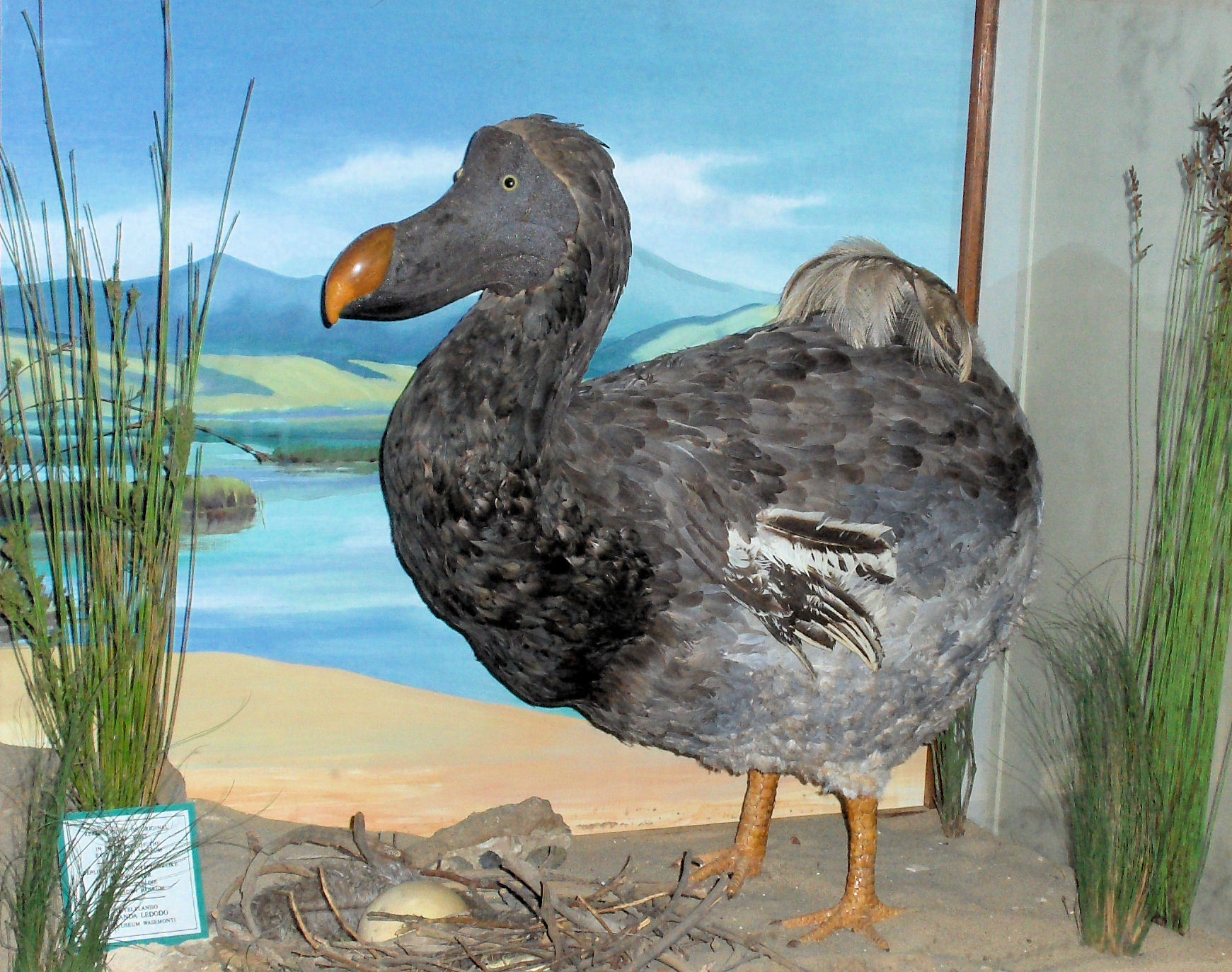
The East London Museum is one of those rare places where South Africa’s layered history feels almost tangible. Nestled in the heart of the city, it doesn’t just display artifacts—it preserves the voices of the past, offering a way to understand how life along this stretch of the Indian Ocean coastline has unfolded over centuries. What began in the late 1800s as a modest collection of natural history specimens has grown into a sprawling institution that weaves together archaeology, ethnography, and regional history. The exhibits here aren’t just relics; they’re stories waiting to be uncovered, from the bones of ancient creatures to the everyday objects of the people who called these lands home long before European settlers arrived.
The museum building itself is a quiet testament to the colonial era, blending British architectural formality with subtle local influences. High ceilings, large windows, and polished wooden panels give the space a sense of understated grandeur, a fitting backdrop for the collections within. The layout guides visitors through time, from prehistoric epochs to the modern day, with each room offering a different lens on the region’s evolution. One of the most compelling sections focuses on East London’s maritime history, a reminder of how deeply the city’s identity has always been tied to the ocean.
Among the museum’s most striking exhibits is the skeleton of an ichthyosaur, a prehistoric marine reptile discovered in the surrounding area. More than just an impressive fossil, it’s a glimpse into a time when this coastline was submerged beneath an ancient sea. Paleontologists and history enthusiasts alike are drawn to such finds, which help reconstruct the Earth’s distant past. Nearby, other fossils and geological displays trace the shifting landscapes and climates that have shaped the region, offering a sense of how dramatically the world has changed over millions of years.
Yet the museum isn’t solely a window into deep time. It also delves into the living cultures of the Xhosa people, who have inhabited these lands for generations. Traditional tools, jewelry, musical instruments, and ritual objects reveal a way of life deeply connected to the land and its rhythms. The textile collection, in particular, stands out—vibrant patterns and intricate embroidery passed down through families, each piece carrying its own narrative of craftsmanship, ceremony, and daily existence. These aren’t just artifacts; they’re fragments of a culture that continues to thrive, even as it adapts to the modern world.
The museum doesn’t shy away from the complexities of South Africa’s colonial past, including the painful legacy of apartheid. Exhibits on this era present documents, photographs, and personal items that reflect the experiences of different communities during a turbulent period. Rather than offering a sanitized version of history, the museum invites visitors to engage with multiple perspectives, fostering a deeper understanding of how contemporary society took shape. For those seeking context about East London’s development—or South Africa’s broader story—this section provides an essential, if sobering, foundation.
For visitors fascinated by maritime history, the museum dedicates an entire hall to the region’s seafaring traditions. Models of historic ships, navigational instruments, and artifacts recovered from shipwrecks tell tales of adventure, trade, and tragedy along this treacherous coastline. The ocean has always been both a provider and a threat, and the exhibits here underscore the precarious balance between human ambition and nature’s power. Among the most poignant displays are personal items salvaged from sunken vessels—coins, dishes, even letters—each a silent witness to lives lost at sea.
What makes the East London Museum special is its ability to make history feel alive. There’s no dry academic detachment here; instead, the space encourages curiosity and connection. Interactive exhibits allow visitors to handle replicas of ancient tools or listen to recordings of traditional music, bridging the gap between past and present. Children, too, are welcomed with hands-on programs and workshops designed to spark their imagination, turning history into something they can touch, hear, and even create.
East London itself is a city where cultures and eras intersect, and the museum serves as a kind of crossroads between them. It’s a place where the natural world, human ingenuity, and historical forces converge, revealing how the region has been shaped by time. Whether you’re drawn to paleontology, ethnography, or simply the desire to understand South Africa more deeply, the museum offers a perspective that lingers long after you’ve left. It doesn’t just show you the past—it makes you feel its weight, its beauty, and its enduring presence in the world today.